
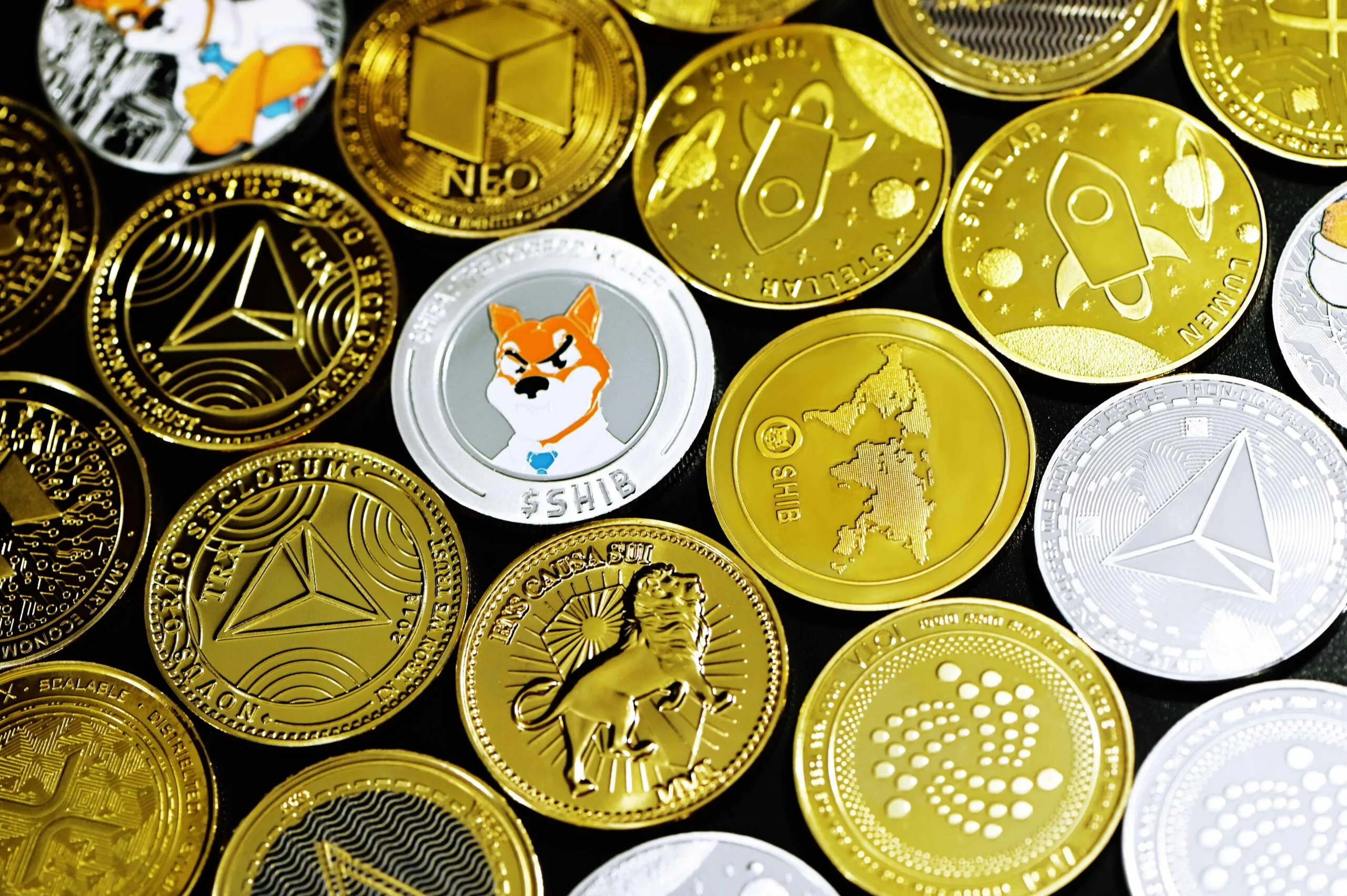

Since their inception, cryptocurrencies have captivated the attention of both novice and experienced investors. They have witnessed significant price fluctuations, and the advent of blockchain technology has introduced intriguing ledger-keeping capabilities with various practical applications.
It is important to recognise that crypto assets and blockchain differ from traditional investments such as stocks, bonds, and shares. Other investment types have tangible underlying operations. For instance, a government bond is backed by the government, a stock in Ford is supported by the company’s car manufacturing activities, and even a call option relies on an underlying share.
The prices of these instruments are determined by the performance of their underlying assets. The success of a government in maintaining a balanced budget, Ford’s ability to sell cars, and the viability of a call option are all tied to tangible underlying elements.
However, crypto assets lack such underlying operations. Most crypto-assets do not have revenue-generating activities associated with them. Instead, their value is driven by market participants and their belief in the currency’s worth.
There appear to be some loose correlations between individuals’ faith in their governments and the trading value of cryptocurrencies.
When trust is lost in a government, individuals tend to shift their savings to crypto assets. Conversely, when faith in governments is restored, the value of crypto assets tends to decline.
Are crypto assets worth the risk?
Investors should be mindful of a few risks they are undertaking when investing in crypto assets.
Firstly, the anonymous nature of ownership and the quick changes in ownership can lead to issues. Investors have faced difficulties in recovering their crypto assets held on exchanges, and there have been several instances of problems with crypto exchanges themselves.
Secondly, due to the absence of an underlying economic unit, there is some uncertainty around the valuation of crypto assets. The value of these assets relies solely on the collective belief of every investor in their worth.
Lastly, the cryptocurrency market poses numerous risks due to its novelty, and regulations and legislation have struggled to keep pace. We have witnessed problematic situations with exchanges like Quadriga and FTX, where investors were left with nothing as a result of unethical use of funds and investments.
Until this market can be regulated more effectively, investors should be mindful of the risks associated with investing in cryptocurrencies.
What should people keep in mind when investing in crypto assets?
The most important consideration is the absence of guaranteed returns due to the lack of underlying assets. In classic financial theory, there exists a fundamental law regarding the correlation between risk and reward. Simply put, an investor who takes on greater risk should expect a higher return. However, crypto assets behave differently from traditional investments, and this expected reward is not guaranteed. While there can be substantial gains, there is also a heightened risk of significant losses.
Investors interested in cryptocurrencies should conduct thorough research, store their investments in a secure offline wallet (commonly known as a “cold wallet”), rather than keeping them on an exchange, and only invest an amount they are willing to risk. For instance, it is ill-advised to invest one’s retirement savings or the down payment for a home.
By keeping these considerations in mind, investors can approach the world of crypto assets with caution and make informed decisions.
By Yasamin Alami, CPA, MPAcc, Assistant Professor, MBA Department of Quantitative Studies at University Canada West
Featured Photo by Kanchanara on Unsplash







