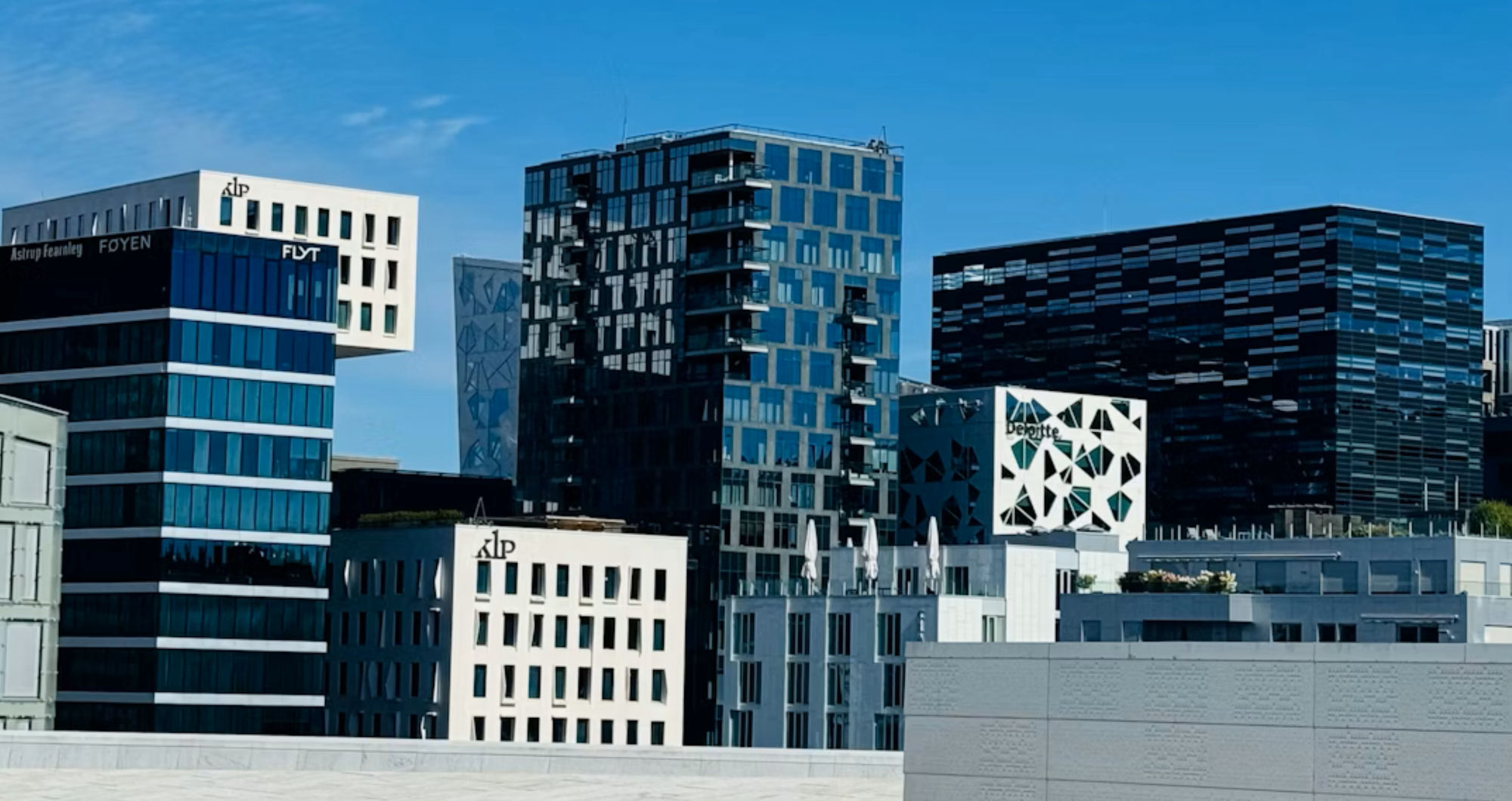

The skyline of London is changing, and it isn’t just about the height of the skyscrapers. Commercial property owners and tenants across the capital are facing a significant shift in expectations. Environmental, Social, and Governance (ESG) criteria have moved from being a corporate footnote to a primary driver of real estate value. With the UK government’s commitment to net-zero targets and the introduction of stricter Minimum Energy Efficiency Standards (MEES), the traditional office setup is under intense scrutiny.
For many businesses, the challenge lies in modernising existing infrastructure that wasn’t built with sustainability in mind. Retrofitting old masonry buildings can be a logistical nightmare, especially in a city as dense as London. However, the pressure to perform is coming from all sides: investors want green portfolios, employees want ethical workplaces, and the law requires better energy performance. If your current workspace doesn’t meet these benchmarks, you might find yourself lagging behind in a very competitive market.
Now let’s dive in and find out how modern construction methods are helping London businesses stay ahead of these evolving requirements.
The Shift Towards Fabric-First Construction
One of the most effective ways to meet new environmental standards is to focus on the building’s envelope. In the past, many developers relied on bolt-on technologies like solar panels to mask poor energy efficiency. Today, the focus has shifted to a fabric-first approach. This means the materials used in the walls, floor, and roof do the heavy lifting by providing exceptional thermal performance and airtightness.
When businesses look to expand their footprint, they’re now turning to modern British developers like The Qube for bespoke panelised solutions. These structures often use Structural Insulated Panels (SIPs), which offer superior insulation compared to traditional brick and mortar. Because these components are manufactured in a controlled factory environment, the precision of the build ensures there are no gaps for heat to escape. It’s a method that significantly reduces the energy required to heat or cool an office throughout the year.
This type of construction also addresses the Social aspect of ESG by reducing on-site disruption. In a busy London borough, a traditional construction project can cause months of noise and air pollution for the local community. Panelised modular buildings are delivered to the site for rapid assembly, which means the time spent on-site is drastically reduced. This keeps the neighbours happy and allows the business to remain operational with minimal fuss.
Navigating the New Regulatory Landscape
The legal requirements for commercial buildings in the UK are becoming more stringent every year. Currently, it’s illegal to grant a new lease on a commercial property with an EPC rating below E. However, the government has set its sights on much higher targets. By 2030, the expectation is that all let commercial buildings will need to achieve an EPC rating of B or above.
To reach these goals, companies must consider the embodied carbon of their building projects. This refers to the emissions associated with the mining, manufacturing, and transport of building materials. Traditional concrete and steel are notoriously carbon-heavy. In contrast, modern panelised modular systems often use timber-based structural systems and high-performance SIP envelopes and advanced insulation that have a much lower carbon footprint.
Flexibility and Sustainability
Today, the modern London workforce expects more than just a desk. They want a space that’s adaptable and comfortable. This is where modular design shines. Unlike traditional extensions, which are permanent and rigid, modular units can be reconfigured or even moved as a business grows. They’re designed to be permanent architectural finishes that don’t look like temporary huts, providing a professional aesthetic that matches any corporate identity.
As we look toward the future, the Governance part of ESG requires companies to be transparent about their environmental impact. Choosing a building partner that provides clear data on energy performance and material sourcing makes this reporting much easier. It’s about creating a workspace that’s fit for the next generation of workers.
These buildings are assembled on traditional foundations, ensuring permanence alongside off-site precision.
Points to Remember
Adapting to new ESG standards doesn’t have to be an overwhelming process. While the regulations are complex, the solutions are becoming more accessible. By choosing construction methods that prioritise thermal efficiency and minimal site impact, UK businesses can meet their targets while also creating a better environment for their staff.
The transition to a greener London office is well underway. Companies that embrace these changes early will benefit from lower operating costs and a stronger brand reputation. It’s clear that the future of the London workplace is panelised, modular, sustainable, and highly efficient.