
Jordan could struggle to sustain services for its most vulnerable children unless international support is maintained, the United Nations children’s agency has warned after its executive director concluded a two-day visit to the country.
The appeal comes with an important qualification: the agency did not announce a specific programme closure or put a cash figure on the shortfall. Instead, it said a deteriorating funding environment was affecting the ability to deliver essential services and called for flexible, multi-year support that can strengthen Jordan’s own systems. That distinction matters. This is a warning about the resilience of services rather than a claim that they have already stopped.
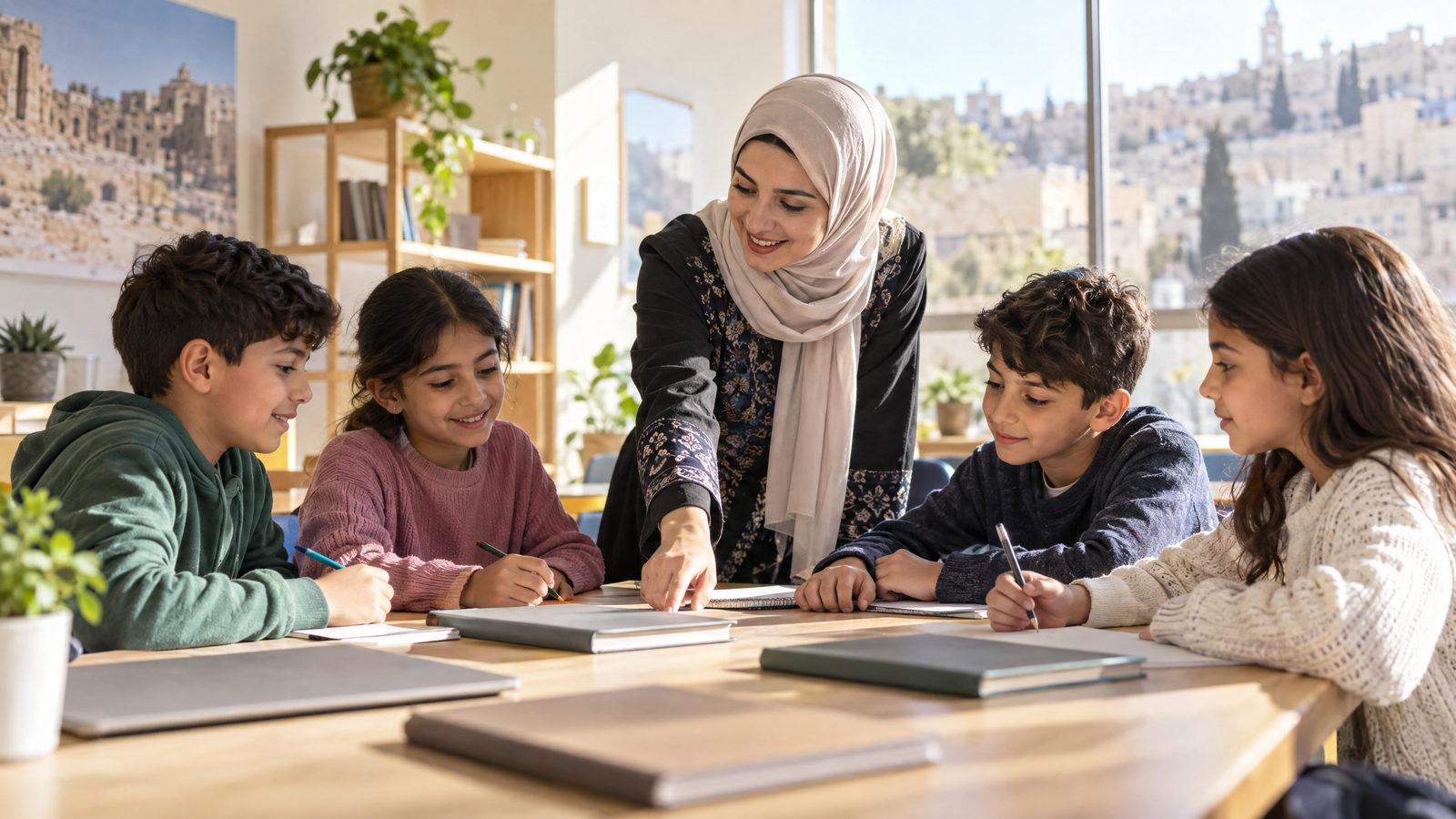
During the visit, Catherine Russell met children at a community centre in Amman and held discussions with the ministers responsible for education and social development. The agenda combined recognition of progress with a focus on gaps that remain stubborn: making learning meaningful, connecting education to employment, widening social protection and ensuring children with disabilities are not left behind.
There is real progress to protect. Almost every child in Jordan now attends primary school, and children’s rights are set out in national law. But enrolment is not the same as security or opportunity. The agency says around one in seven children live in multidimensional poverty, meaning they lack reliable access to services such as health care and education. That measure is broader than household income alone, capturing the ways disadvantage can show up in everyday life.
Its other indicators underline why support for families and public services is central to the visit. Nearly three in four children aged between one and 14 experience violent discipline at home, according to the agency. Around 39 per cent of young people are out of work. Those are serious figures, but they should be read as agency-reported national indicators rather than a forecast of what will happen next. They also point to different policy tasks: prevention and protection for children, and credible routes from school into skills and jobs for young adults.
The refugee dimension adds another layer. Jordan has hosted large numbers of Syrians over many years. Although thousands have returned, many refugees remain and need continuing support, the agency said. Its position is that assistance for refugees and investment in the communities hosting them should go together, rather than compete for attention. That approach is particularly relevant where schools, social services and water systems are already under pressure.
Support needs to reach beyond emergency relief if it is to make a durable difference. The agency’s message was that predictable funding can help national institutions plan, retain expertise and connect families with services over several years. Short, tightly restricted grants may still help with immediate needs, but they can make it harder to sustain programmes or adapt them as circumstances change.
The visit also highlighted the challenge of translating broad commitments into practical outcomes. For schools, that means improving the quality of learning and ensuring children who face economic barriers or disability can participate. For social protection, it means making support a route to health, education and safeguarding services rather than a stand-alone payment. For young people, it means matching education and training to labour-market opportunities.
None of those priorities can be resolved by one visit or one funding appeal. The immediate development is a call to donors to keep Jordan’s child-focused services on a more stable footing. The longer test will be whether that support arrives in a form that allows families, host communities and public institutions to plan for more than the next funding cycle.