
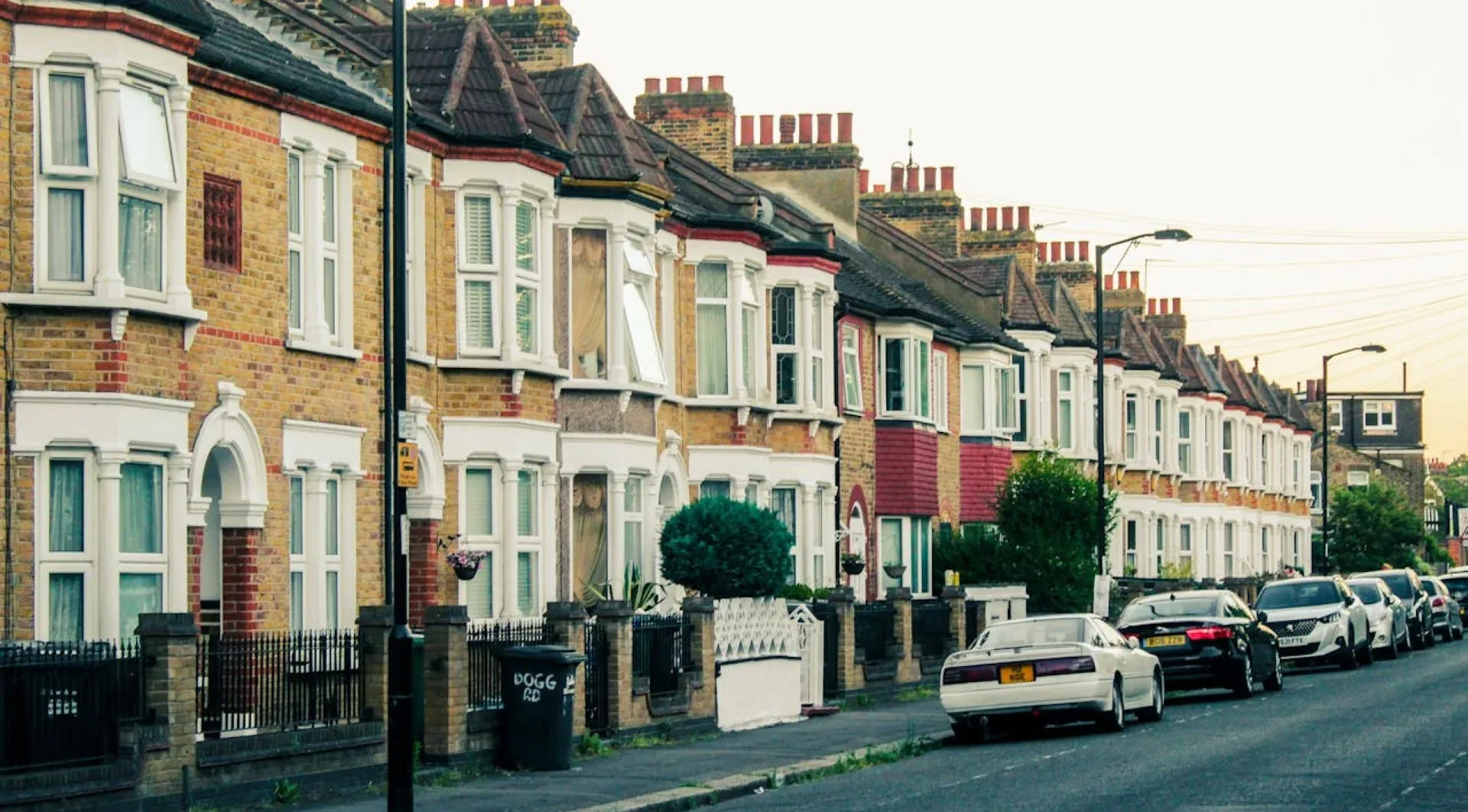

Moisture-related issues are one of the most common threats to a London property’s structure and overall livability. Left untreated, excess moisture, particularly prevalent in London’s damp climate and older buildings, can lead to damp, mould growth, and even long-term structural damage. Not only can this weaken the integrity of a London home, but it can also create an unhealthy living environment, potentially triggering respiratory issues and allergies, a particular concern in the city’s dense urban spaces.
Recognising the early signs of moisture problems—such as condensation on London’s traditional sash windows, damp patches on walls often found in Victorian terraces, or a musty smell common in older basements—can help homeowners take action before costly damage occurs. With the right preventative measures and professional London-specific solutions like damp proofing tailored to the city’s building stock, properties can be better protected against moisture-related risks.
Common Causes of Damp and Moisture Build-Up in London Homes
Damp and moisture issues can arise for various reasons in London, but some of the most common causes include:
- Condensation: This occurs when warm, moisture-laden air, often trapped in London’s smaller flats and terraced houses, meets cold surfaces, leading to water droplets forming on walls, ceilings, and windows. Poor ventilation in London kitchens and bathrooms, especially in older buildings, often worsens the problem.
- Rising Damp: This happens when groundwater seeps up through the walls, a common issue in London’s older properties due to missing or failing damp-proof courses. It’s commonly identified by tide marks, peeling paint, and crumbling plaster, particularly in ground-floor and basement areas.
- Leaks and Penetrating Damp: Damaged roofing, a common issue in London’s aging housing stock, leaking pipes, or cracks in external walls, often exacerbated by London’s frequent rainfall, can allow water to seep into the home, creating damp patches and weakening structures.
- London’s Weather: The city’s frequent and often heavy rainfall, combined with fluctuating temperatures, creates a challenging environment for building materials.
- Poor Ventilation: London’s dense urban environment and older building designs often result in poor ventilation, trapping moisture.
- Aging Infrastructure: Many London homes are Victorian or Edwardian, and their original damp-proofing measures may have deteriorated.
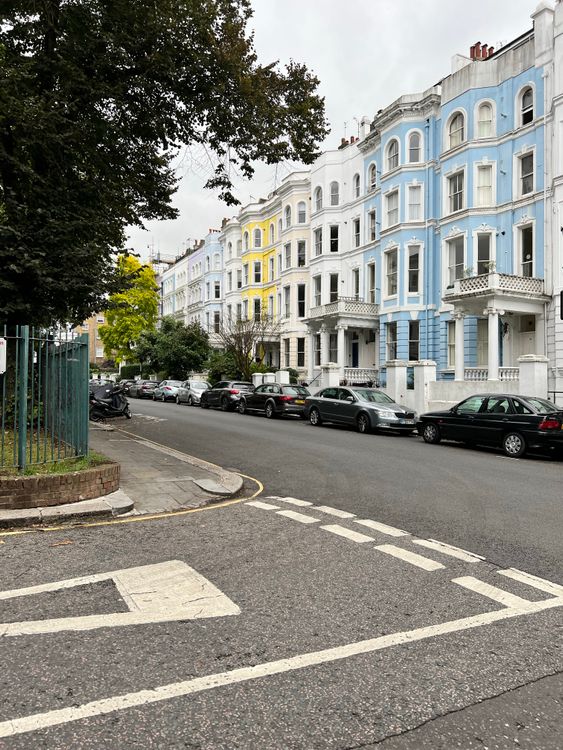
Weather conditions, poor ventilation, and lack of regular maintenance can all exacerbate moisture problems in London, making it essential for homeowners to stay proactive.
Preventative Measures to Keep Your London Home Dry
Taking steps to prevent excess moisture build-up is far more cost-effective than dealing with damp-related damage in London. Some key strategies include:
- Improving Ventilation: Using extractor fans in London kitchens and bathrooms, opening windows regularly (weather permitting), and ensuring air circulates freely, even in smaller London flats, helps reduce condensation.
- Maintaining London Gutters and Roofing: Regularly clearing London gutters, often affected by falling leaves and debris, and checking for roof leaks, especially after heavy rain, prevents water from penetrating the home.
- Sealing Cracks and Gaps: Checking London walls, windows, and doors for small cracks and sealing them properly, especially around sash windows, prevents water ingress.
- Controlling Indoor Humidity: Using dehumidifiers, particularly in London basements, and keeping furniture away from walls to allow air circulation can help maintain a dry and well-ventilated living space.
- Regular Inspections: Due to the age of many London homes, regular inspections from qualified professionals are encouraged.
By implementing these preventative measures, London homeowners can significantly reduce the likelihood of damp-related issues developing.
The Benefits of Damp Proofing Your London Property
One of the most effective ways to safeguard a London home from moisture damage is by investing in damp proofing, tailored to the city’s specific building types. This process involves applying treatments or installing barriers to prevent water from seeping into walls and floors, addressing the common issue of rising damp in the capital.
Key benefits of London damp proofing include:
- Long-Term Structural Protection: Prevents moisture from weakening walls, floors, and foundations, preserving the integrity of London’s historic buildings.
- Healthier Living Environment: Reduces the risk of mould growth, which can cause respiratory issues and allergies, crucial in London’s densely populated areas.
- Maintaining London Property Value: A damp-free home is more appealing to buyers and tenants, protecting its long-term market value in London’s competitive property market.
- Conservation Compliance: Professional Damp proofing companies in London will understand the need to use appropriate material for listed buildings.
For London homes experiencing persistent damp problems, professional damp proofing ensures a permanent and reliable solution to prevent further damage.
Moisture control is an essential part of London home maintenance, protecting both the structure of a property and the health of its occupants. By recognising the signs of damp early, improving ventilation and drainage, and considering damp proofing, London homeowners can ensure their property remains dry, durable, and comfortable for years to come. Taking proactive steps today can help prevent costly repairs in the future, making moisture management a smart investment in long-term London home care.







