
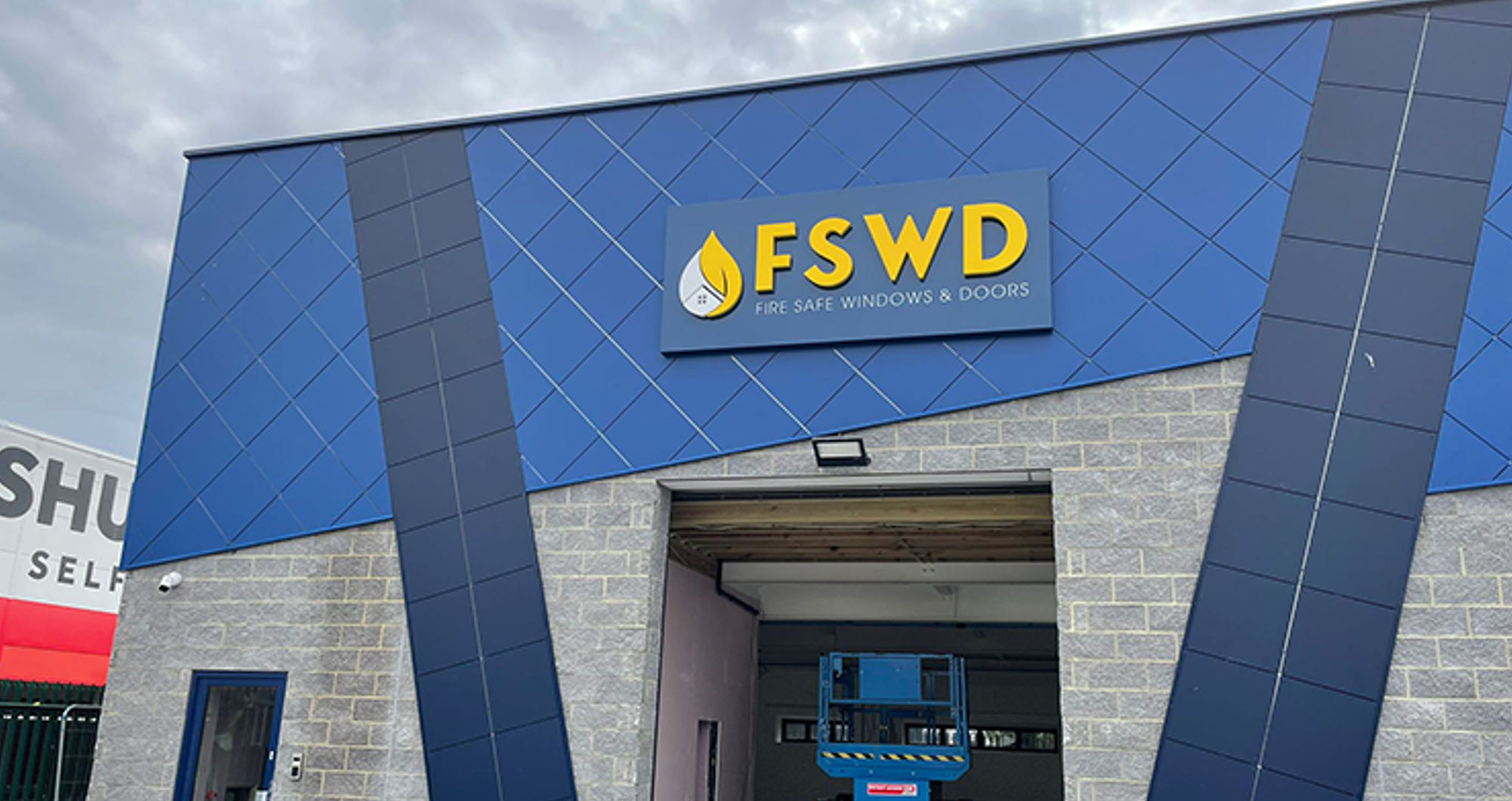

As we move into a new year, many UK businesses are taking a closer look at how they present themselves to the world. Outdoor signage plays a major role in this, often acting as the first impression customers get of a brand. While digital advertising continues to grow, outdoor signs remain one of the most effective tools for capturing attention in busy towns, retail parks, and high-street locations.
What’s changing, however, is the style, materials, design approach, and overall expectations customers have for signage. These shifts aren’t random; they reflect changing audience behaviour, new business priorities, and evolving design standards. Below is a breakdown of the most notable trends set to shape the coming year, along with practical advice for business owners who want to refresh their signage strategy.
The Shift Toward Authentic and Clear Visual Messaging
People have become far more selective about where they shop or spend time. Businesses that use clear, authentic messaging on their outdoor signs tend to draw in more customers because they communicate value quickly.
Overly complicated designs or cluttered messaging are losing appeal. The growing preference is for clean layouts, readable fonts, and colours that reflect a brand’s personality without overwhelming the viewer. This is something many businesses achieve by working closely with an experienced sign maker London, who can turn a simple idea into signage that feels intentional and refined.
Practical advice:
- Limit each sign to one purpose — visibility, direction, or information.
- Choose colour schemes that hold contrast well in British weather.
- Avoid overusing effects like shadows or gradients that can be hard to read outdoors.
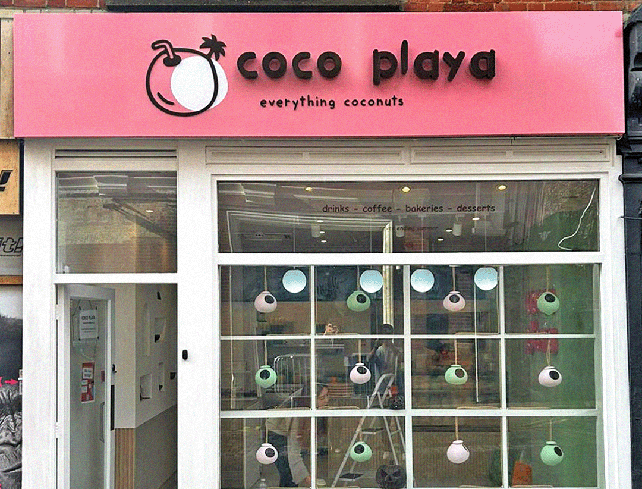
Image Source: Sign Company London
Sustainable Materials Are Becoming Mainstream
Eco-conscious design is no longer a niche preference. More businesses are choosing materials that are long-lasting, recyclable, or low-impact. This includes aluminium composite panels, reclaimed wood, and durable PVC alternatives.
Sustainable choices do more than support the environment; they also create a modern, thoughtful impression for customers. Many small and mid-sized businesses now ask a sign maker about eco-friendly options as a standard part of the design process.
Why this shift matters:
- Sustainable materials typically handle UK weather better.
- They support long-term savings thanks to increased durability.
- Customers recognise and appreciate environmentally responsible choices.
Bold Typography That Stands Out From the Crowd
Typography is becoming a focal point in modern outdoor signs. With high streets becoming more visually competitive, businesses are using larger, bolder typefaces to increase noticeability from a distance.
This doesn’t mean bright colours or oversized letters alone — it means using typefaces that create a sense of character. Rounded fonts often feel more approachable, while sharper edges and tall letterforms offer a sleek, modern look. A skilled sign maker in London will usually test several versions to ensure readability in daylight, rain, and low-light conditions.
Typography tips for 2025:
- Use a minimum of two contrasting weights (light/bold or medium/bold).
- Test visibility from multiple angles and distances.
- Avoid ultra-thin fonts that disappear in wet weather or shadow.
Illuminated Signage Becoming More Accessible
Illumination is becoming more affordable and energy-efficient thanks to LED technology. Because the UK sees long periods of overcast weather, illuminated outdoor signs have become especially valuable for keeping businesses visible.
Instead of relying on bright, flashy lighting, many brands are opting for soft-edge illumination, halo-glow lighting, and internally-lit lettering. These approaches create a premium appearance without being overly showy. Businesses are working with a sign maker in London to install lighting setups that balance visibility with low long-term running costs.
Why illumination works:
- It increases visibility during short winter days.
- It helps businesses stand out from non-illuminated neighbours.
- Modern LEDs are cheap to run and require very little maintenance.
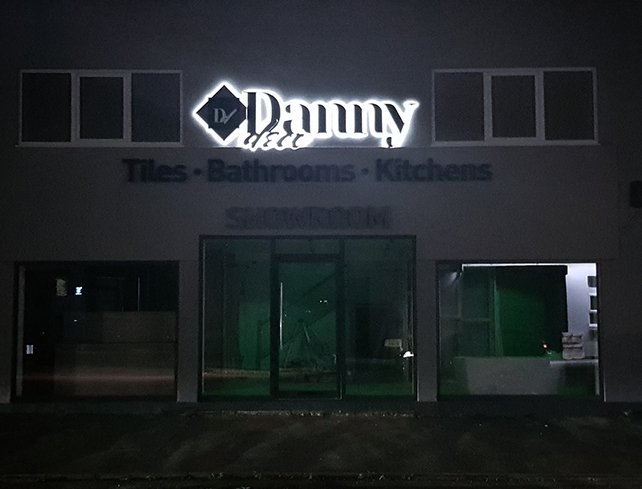
Image Source: Sign Company London
Minimalist Design With Purposeful Use of Space
Minimalism continues to dominate design trends, particularly in the world of outdoor signs. Instead of filling every inch with text or imagery, brands now prefer simplicity with strong visual hierarchy.
A minimalist sign can communicate professionalism, clarity, and confidence. It also supports faster recognition — a crucial factor when customers walk or drive past at speed. A thoughtful sign maker often recommends strategic spacing and cleaner lines rather than overly decorated designs.
Elements of effective minimalist signage:
- Strong contrast between background and text
- Limited use of decorative icons
- Clear spacing that improves legibility
- One message instead of multiple competing statements
Increased Use of Custom Shapes and Dimensional Layers
Flat rectangular signs are still common, but more businesses are exploring creative shapes and layered designs. Custom-shaped outdoor signs create instant visual interest, especially in competitive high-street environments.
Layered elements, such as raised letters or mixed-material overlays, add depth and texture. This makes a sign look polished and memorable without relying on loud colours.
Working with a sign maker who specialises in bespoke fabrication ensures materials are cut cleanly, finished well, and suitable for long-term use outdoors.
Popular shaping trends:
- Cut-out logos
- Circular or oval signage
- Layered panel backgrounds
- Raised metal or acrylic lettering
- Mixed wood-and-metal combinations
Weather-Resistant Design Built for UK Conditions
British weather demands signage that can withstand moisture, wind, and fluctuating temperatures. More businesses are updating their outdoor signs to use finishes and coatings that prevent fading, peeling, and moisture damage.
This trend is driven by long-term cost savings, brand consistency, and safety considerations. Professional sealing, UV laminates, rust-resistant hardware, and reinforced fixings are becoming standard recommendations from any experienced sign maker.
Weather-ready signage considerations:
- Anti-rust aluminium or composite panels
- UV-resistant coatings
- Reinforced brackets and fixings
- Weatherproof LED housings for illuminated signs
- Moisture-resistant adhesives
Interactive and QR-Enhanced Signage
While not digital in the traditional sense, modern signage increasingly includes QR codes and scannable elements. This trend connects the physical world with online platforms, allowing businesses to lead passers-by toward menus, offers, bookings, or social media.
With QR familiarity at an all-time high, integrating simple interactive elements into outdoor signs creates convenient touchpoints without cluttering the design. Many businesses request this feature when working with a sign maker in London, as it helps bridge online and offline brand engagement.
Best uses for QR-linked signage:
- Restaurant menus
- Promote special offers
- Bookings for salons or services
- Event information
- Social media profiles
Conclusion
Outdoor signage continues to evolve, blending craftsmanship, clarity, creativity, and practical function. Whether you’re refreshing an existing sign or planning new branding for the year ahead, the trends above offer valuable direction. By understanding what customers respond to and what works best in British conditions, businesses can create signage that truly stands out. For expert support and beautifully crafted signage, trust Sign Company London.







