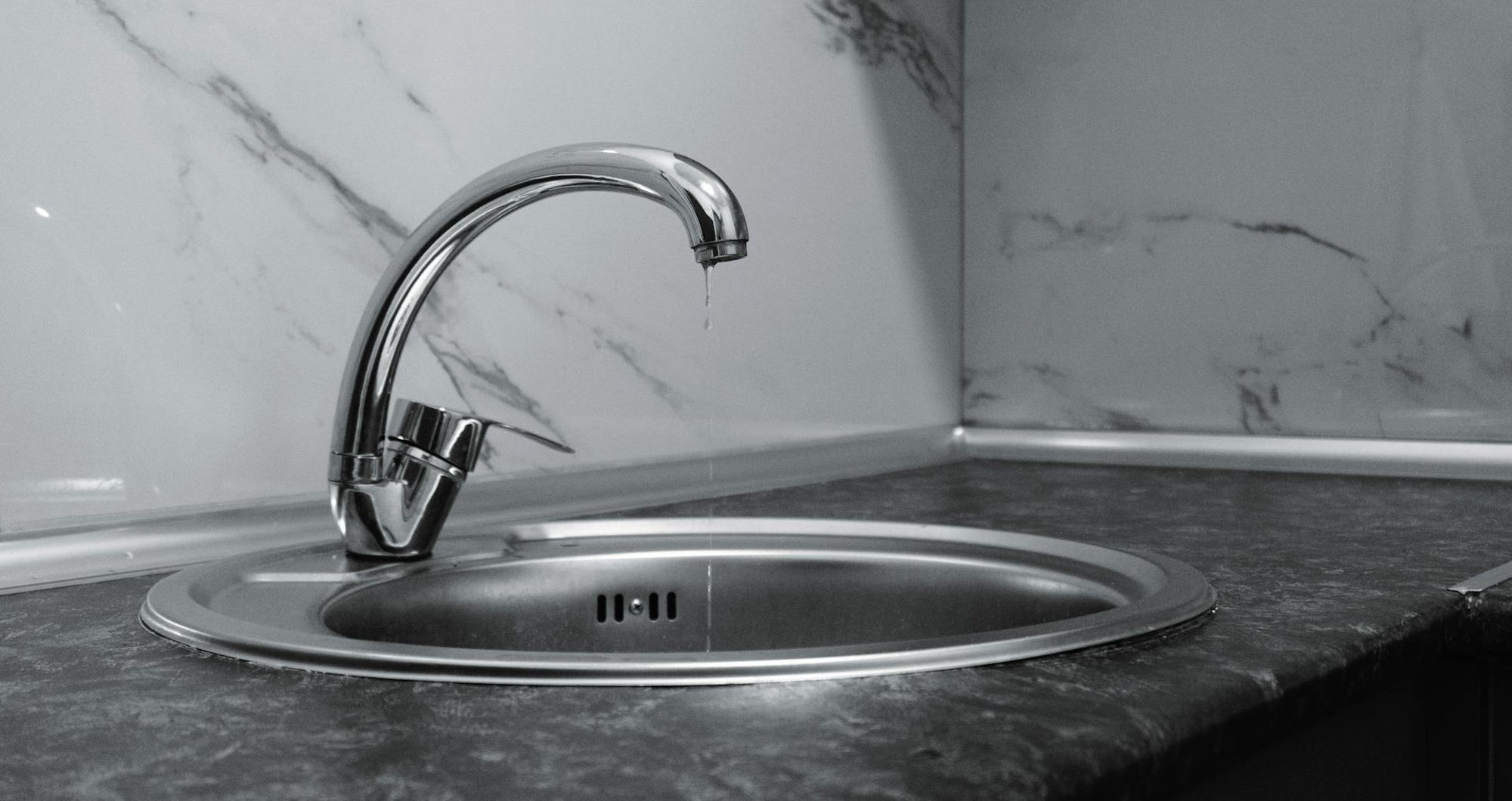

A dripping kitchen tap is one of those small household problems that quickly becomes impossible to ignore. Whether you are making a cup of tea or winding down for the evening, that constant drip in the kitchen can feel louder than it should. The good news is that most kitchen tap leaks are simple to fix, even without much DIY experience.
In many cases, a dripping kitchen tap is caused by wear and tear inside the tap itself. Components like washers, O-rings or cartridges can degrade over time, especially in a busy kitchen where the tap is used throughout the day. Once these parts stop forming a proper seal, water begins to escape even when the tap is fully turned off. Online bathroom, kitchen and heating retailer Plumbworld explains how you can fix a leaking kitchen tap and why it’s important to get it sorted before it becomes a bigger problem.
Why it’s worth fixing sooner rather than later
A slow drip might not seem urgent, but it can waste a surprising amount of water over time. In a kitchen where the tap is used constantly, even a minor leak can add up on your water bill. There is also the added frustration of the noise, which tends to be most noticeable when everything else is quiet.
Fixing the problem early helps avoid bigger plumbing issues and keeps your kitchen running as it should.
Start by turning off the water
Before you start working on your kitchen tap, turn off the water supply. You will usually find an isolation valve under the kitchen sink, or you can use the main stopcock if needed. Once the water is off, run the tap to clear out any remaining water in the pipes.
It is also a good idea to plug the kitchen sink so that small parts like screws do not fall down the drain while you are working.
Know your kitchen tap type
Kitchen taps come in a few common styles, and identifying yours will make the job much easier.
If your kitchen tap has separate hot and cold handles that need a full turn, it is likely a traditional compression tap. These typically rely on a rubber washer to control water flow.
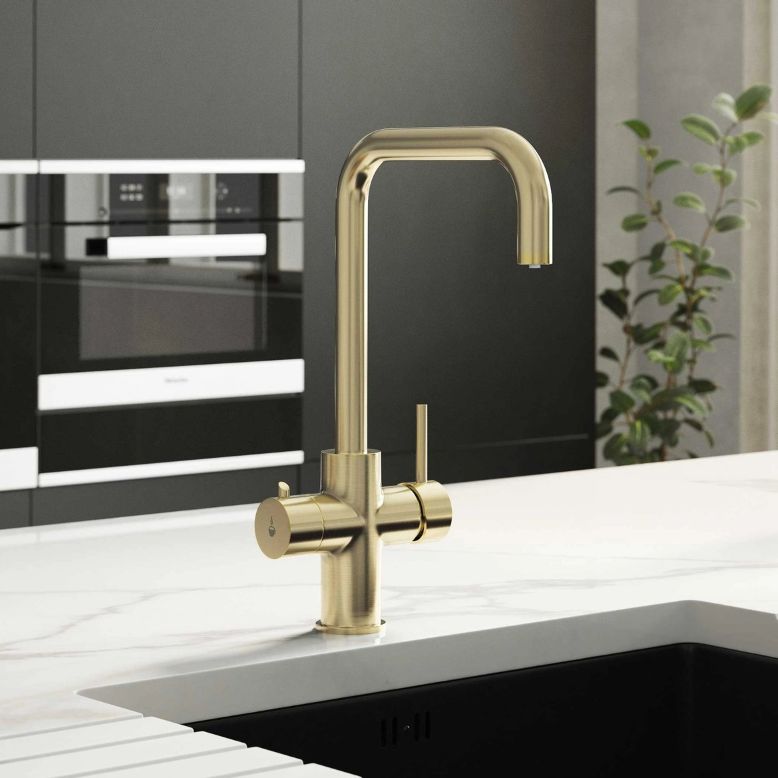
If you have a single lever mixer tap or a modern design that only needs a short turn, it will usually contain a ceramic cartridge. These are common in newer kitchen fittings and tend to be more durable, but they still wear out over time.
Fixing a dripping kitchen tap with a washer
For traditional kitchen taps, the most common issue is a worn washer.
Start by removing the tap handle to access the valve inside. At the base of the valve, you will find the washer. If it looks worn or damaged, replace it with a new one of the same size. Reassemble the tap and turn the water supply back on to check if the dripping has stopped.
This is often all it takes to fix the problem.
Replacing a kitchen tap cartridge
If your kitchen tap is a mixer style, the issue is more likely to be the cartridge.
After removing the handle, you will be able to lift out the cartridge from inside the tap body. Take it with you if you need to buy a replacement, as sizes and designs can vary. Fit the new cartridge, reassemble the tap and test it again.
Check for leaks around the base
Not all kitchen tap leaks come from the spout. If you notice water collecting around the base or near the handle, the issue could be an O-ring.
These small rubber seals are easy to replace and inexpensive. Swapping them out can stop leaks quickly and prevent water from damaging your worktop or sink area.
When to call in a professional
Most dripping kitchen taps can be fixed in under an hour with a few basic tools. However, if you have replaced the key parts and the leak continues, or if you notice water coming from pipes under the sink, it may be time to call a plumber.
Kitchen plumbing is used heavily every day, so it is worth making sure everything is working properly.
A simple fix that improves your kitchen
Taking the time to fix a dripping kitchen tap can make a noticeable difference. It brings a bit of peace and quiet back to your space, helps reduce water waste and keeps your kitchen functioning smoothly.