
For years, the narrative surrounding Bali has seemed almost inevitable. First came Seminyak. Then Canggu. Then Pererenan. Tomorrow, perhaps, another emerging stretch of coastline will become the island’s latest obsession.
As tourists, influencers, investors, and digital nomads chase Bali’s next hotspot, many have quietly assumed that Kuta — the destination that helped place Bali on the global tourism map — has become little more than a nostalgic footnote.
Discovery Kartika Plaza Hotel disagrees.
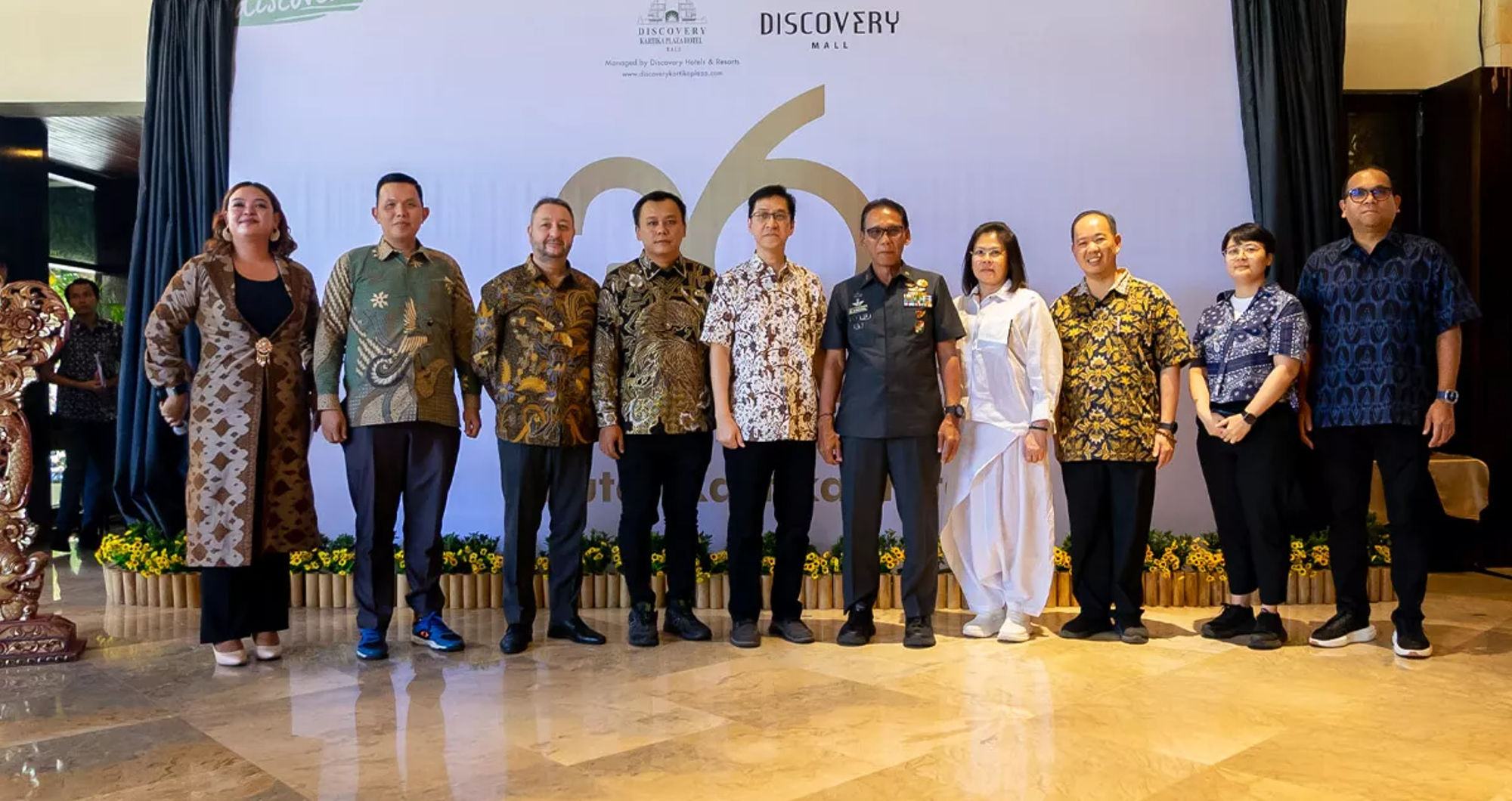
This year, as the oceanfront property marks its 36th anniversary and neighbouring Discovery Mall celebrates its 22nd year, the resort is launching a six-month programme of cultural events, wellness initiatives, environmental projects, and community activities designed around a simple message:
Kuta still matters.
And perhaps more importantly, Kuta still has something many newer destinations are struggling to build: history.
The Problem With Chasing What’s New
Modern tourism has become obsessed with novelty.
Travellers constantly search for the next undiscovered beach, the newest beach club, the latest wellness retreat, or the neighbourhood that has not yet appeared on Instagram.
The irony, of course, is that the moment a destination becomes famous, many people begin looking elsewhere.
Kuta knows this cycle better than anywhere in Bali.
Long before Canggu became a digital nomad capital and before Seminyak emerged as a luxury playground, Kuta was where much of Bali’s international tourism story began. Generations of Australians, Europeans, and British travellers first experienced the island through its beaches, markets, surf culture, and famously relaxed atmosphere.
Yet despite the emergence of newer tourism districts, Kuta continues to possess advantages few destinations can replicate: direct beach access, proximity to the airport, extensive infrastructure, and decades of accumulated tourism experience.
The challenge today is not relevance.
The challenge is reminding people what made Kuta important in the first place.
More Than a Hotel, A Tourism Ecosystem
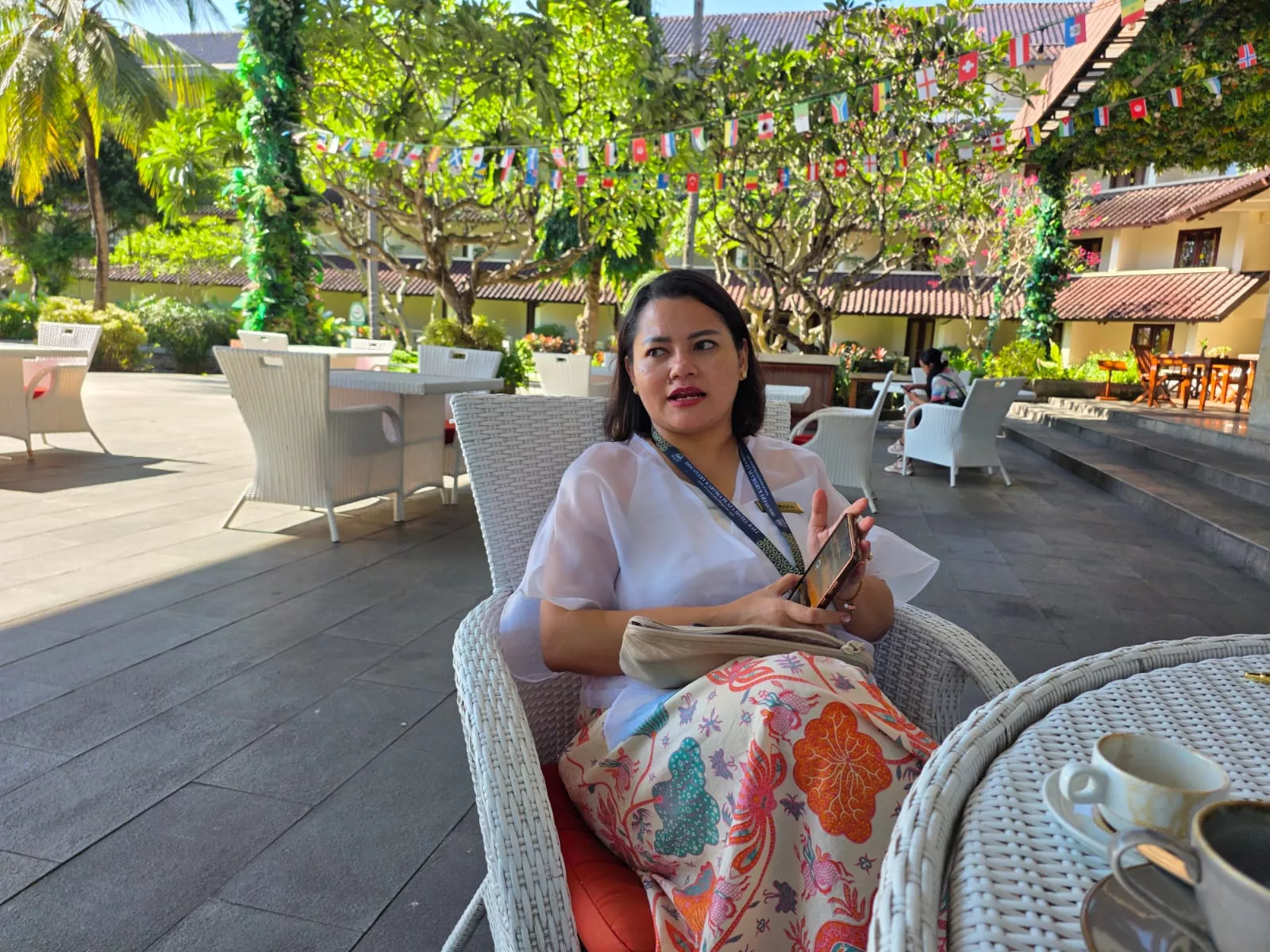
Riska Wandira, Director of Marketing & Communications at Discovery Kartika Plaza Hotel
That philosophy is perhaps best reflected in how Discovery now describes itself.
“We want to create an integrated destination that combines accommodation, recreation, culinary experiences, and community activities in one beachfront area connected directly to Kuta Beach,” said Riska Wandira, Director of Marketing & Communications at Discovery Kartika Plaza Hotel, during a media briefing ahead of the anniversary celebrations.
The strategy reflects a broader shift taking place across global tourism.
Travellers increasingly seek experiences rather than simply places to sleep. Hotels are being challenged to become ecosystems where culture, wellness, entertainment, and community intersect.
Discovery believes Kuta is uniquely positioned to deliver exactly that.
Over the coming months, the property plans to host cultural performances, music events, wellness programmes, community initiatives, environmental campaigns, and social responsibility projects that extend well beyond the traditional boundaries of hospitality.
The celebrations will culminate in October, coinciding with the hotel’s anniversary month, before continuing into early January.
Betting on Wellness and Sustainability
The timing is notable.
Across Europe, wellness tourism has become one of the fastest-growing segments of the travel industry. Travellers increasingly seek destinations that combine relaxation with physical and mental wellbeing.
Discovery is clearly paying attention.
Yoga programmes, wellness collaborations, and large-scale community wellness events are becoming a central part of its strategy. The property recently hosted a major wellness gathering and plans additional themed events later this year focused on health awareness and community participation.
Environmental initiatives will also feature prominently.
Beach clean-ups, neighbourhood clean-up campaigns, coral restoration efforts in Nusa Lembongan, and partnerships with local charitable organisations are expected to form part of the anniversary programme.
For Bali, where concerns about sustainability increasingly influence visitor perceptions, such initiatives are no longer optional public relations exercises. They are becoming a fundamental part of destination competitiveness.
Supporting Local Businesses
One of the lesser-known aspects of Discovery’s transformation involves its support for local entrepreneurs.
According to Riska, the property provides dedicated space for local micro-businesses to operate inside the complex, allowing them to showcase products ranging from handicrafts and souvenirs to food and creative services.
“We are not doing this purely for profit,” she said. “We want to provide opportunities for local businesses to grow and become part of the visitor experience.”
In an era when global tourism destinations often struggle to balance international investment with local participation, the initiative offers a different model — one where small businesses remain visible within a major tourism hub.
Visitors strolling through the property are increasingly likely to encounter locally produced crafts, food vendors, and independent entrepreneurs alongside established hospitality brands.
It is a reminder that tourism works best when local communities remain part of the story.
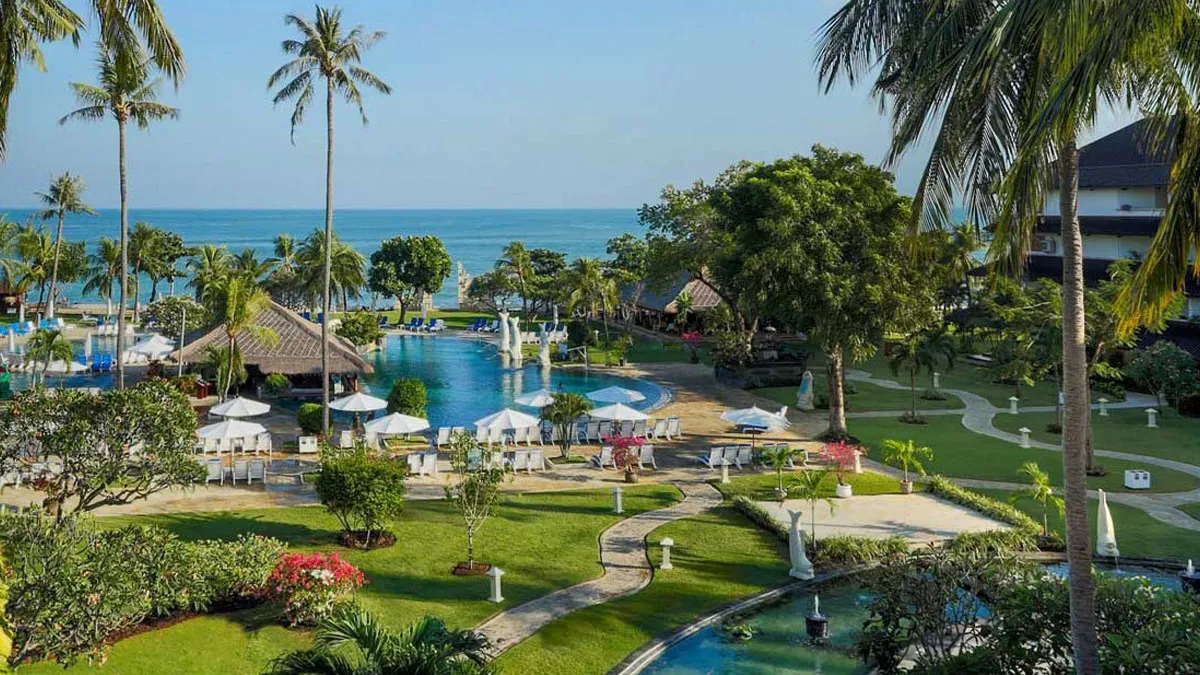
Discovery Kartika Plaza Hotel
A Relationship Measured in Generations
Perhaps the strongest evidence of Discovery’s place in Bali’s tourism story comes from the guests themselves.
Wandira says the hotel continues to welcome repeat visitors who first stayed there decades ago.
“Some guests first came here when they were young couples,” she recalled. “Today, they return with their children and even grandchildren.”
Few hotels in Bali can claim relationships measured not in years, but in generations.
That enduring loyalty speaks to something increasingly rare in global tourism: continuity.
While destinations race to reinvent themselves, there remains value in places that have evolved without losing sight of their identity.
The Future of Kuta
The real story here may not be about one hotel.
It may be about whether Kuta itself can reclaim a larger role in Bali’s future.
As newer tourism districts grapple with traffic congestion, infrastructure pressures, and questions about sustainability, Kuta possesses something often overlooked: maturity.
Its roads, public facilities, beachfront infrastructure, and tourism ecosystem were built over decades, not overnight.
That does not mean Kuta is perfect.
But it does mean the district may be better positioned than many realise to adapt to the next chapter of Bali tourism.
After 36 years, Discovery Kartika Plaza appears determined to help lead that conversation.
Not by competing with Bali’s newest destinations.
But by reminding travellers that sometimes the places worth rediscovering are the ones that were there all along.