
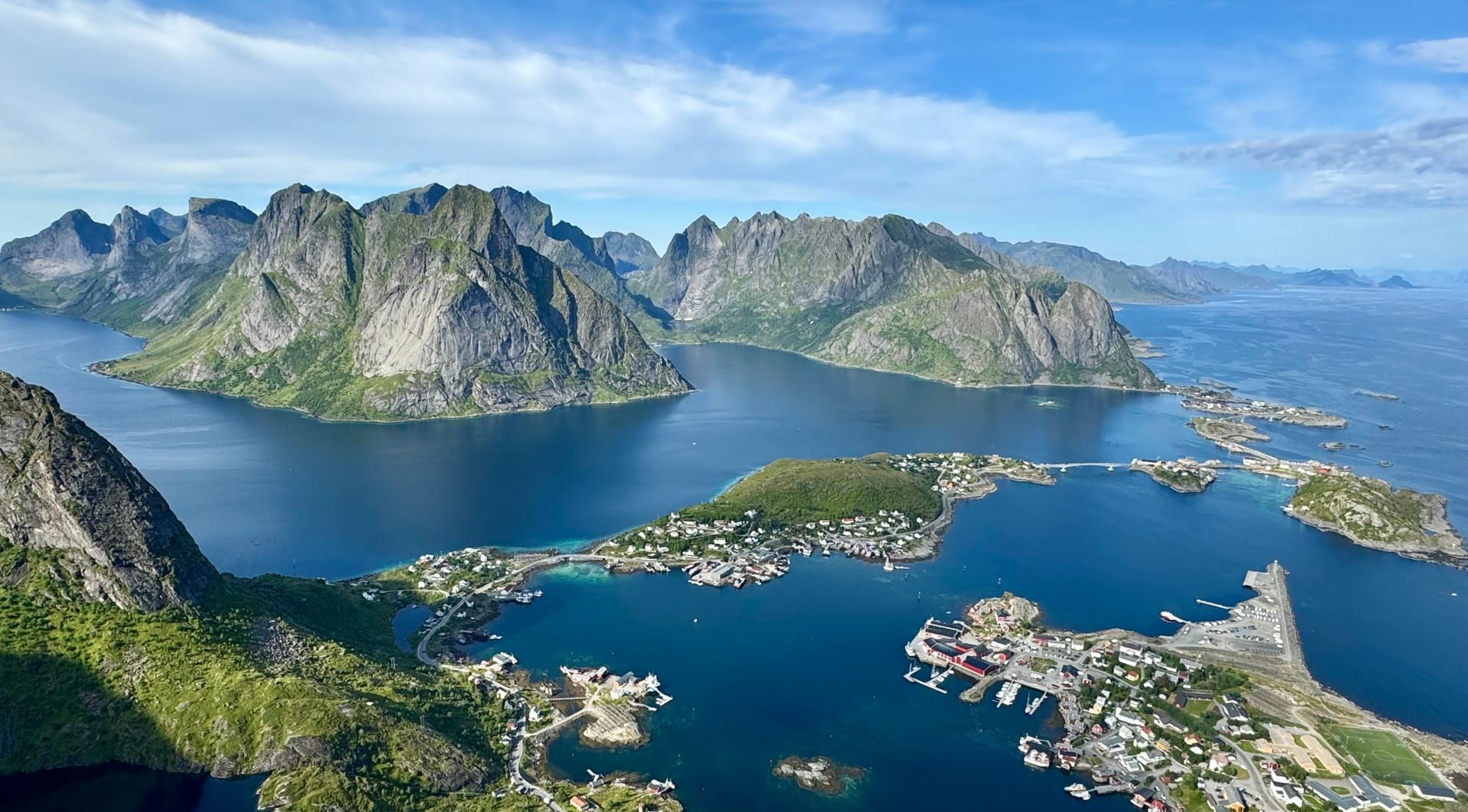

Every November the same thing lands in UK inboxes: percentage-off banners, countdown clocks and little “selling fast” badges. Package operators such as Exoticca now run their black friday holiday deals for a full week at a time, with flights, hotels, transfers and guided tours folded into a single price. That bundling is what makes the numbers interesting, and it is also what makes them easy to misread.
A headline percentage tells you how today’s price compares with the operator’s own list price. It says nothing about how the trip compares with what you would pay elsewhere. The more useful questions are quieter ones: what is actually included, what happens if your plans change, and who steps in if something goes wrong. The sections below work through those questions, using the current Exoticca UK sale page as a worked example.
Photo by Dimitri Karastelev on Unsplash
What a 70% discount is measured against
A seventy per cent saving sounds like a bargain until you ask what it is seventy per cent of. On the sale page, the 10-day Morocco tour covering the Grand Tour and Kasbah Route is listed from £899, set against a crossed-out £2,999. That higher figure is the operator’s own reference fare, so the gap shows how far the price has dropped from that starting point. It does not prove that £899 is the lowest anyone could manage.
The fair test is to price a comparable trip yourself. Look up return flights from your nearest airport, add accommodation for the whole stay, then add internal transport and a local guide. Put the total beside the package. Packages tend to come out ahead on routes with several stops, because every hotel change and transfer you would arrange alone carries its own cost and its own booking risk.
Kasbah routes in Morocco generally run through the Atlas foothills and the Ouarzazate region, home to the fortified village of Aït Ben Haddou. Check the trip page for the exact stops, since the itinerary decides whether the price is good value for you.

Photo by Abdou Faiz on Unsplash
Where the money goes inside a package
Take the seven-day Norway fjords and railway tour, listed from £1,349 against a reference fare of £4,499. The operator says its packages typically include return flights, accommodation, activities and guided tours in your language, and sometimes extras such as an eSIM. Departures run from the main UK airports, with London, Manchester, Birmingham, Glasgow, Edinburgh and Leeds all named on the page.
Norway is a useful case because day-to-day costs there are high. A cheap flight can hide an expensive week once restaurant bills and rail tickets arrive, so the question to ask is which meals and which transport legs sit inside the price. The page notes that inclusions vary by trip, and that some packages cover a few meals rather than all of them. Read the trip page line by line and write down what you would still have to buy on the ground.
That small exercise often shows whether a package really undercuts a do-it-yourself version. It also stops the surprise of a cheap headline turning into a mid-priced holiday by day three.

Photo by Finge Holden on Unsplash
Flexible cover and the 30-day line
Discounted fares have a reputation for being rigid, and plenty of airlines and hotels do attach tight rules to their cheapest rates. Exoticca says its sale packages follow the same cancellation policy as regular ones, and that you pick a cover level when you pay. Three tiers are listed. Flex Light returns 80% up to 30 days before departure. Optima returns 100% up to the same 30-day point, and Total cover pays 100% up to 30 days out plus 80% up to three days before you fly.
The 30-day line matters most. Inside that window the cheaper tiers stop paying out in full, and for most people the likeliest reasons to cancel, such as illness, work changes or family plans, can surface late. If you are booking a long-haul trip months ahead, the extra cost of a fuller tier can be small next to the price of losing a fifth of the fare.
Treat it as insurance arithmetic. Estimate how likely a change of plan is, multiply by the sum at risk, and compare that figure with the price of the cover.
Protection that sits behind the price
Price is only one half of a booking. The other half is what happens if the company or a supplier fails. Exoticca’s sale page lists membership of ABTA and an ATOL number, 11248, which relates to the financial protection scheme for flights sold as part of a holiday package.
Its own text adds a caution worth repeating: ATOL protection does not apply to every travel service listed on a website, and you only have it if an ATOL Certificate arrives after booking. If the certificate does not list a part of your trip, that part is not covered. Check the certificate against your itinerary the day it lands in your inbox, not the week before you travel.
It is also sensible to read the official Foreign Office advice for the country you are visiting before you pay, particularly for destinations where conditions shift between seasons. A link to the government’s foreign travel advice sits on the page for exactly that reason. None of this takes long, and all of it is easier to sort out before departure than from an airport queue.
Timing a purchase while the sale clock runs
Black Friday falls on 27 November this year, with Cyber Monday on 30 November and Travel Tuesday on 1 December. The operator says individual promotions usually last about a week or until the allocation sells out, since each offer carries a fixed number of discounted places. Offers can also appear weeks earlier than the main date, so waiting for the Friday itself is not always the best approach.
A calmer way to handle it is to prepare before the clock starts. Pick two or three destinations, price the do-it-yourself version of each, and decide which flexibility tier you would choose. Saving trips to a wishlist helps you spot when a price moves. The sale also covers shoulder-season departures, which usually sit between the busiest and quietest periods and can offer a better mix of weather and crowds than peak summer.
Once a trip clears your checklist, booking quickly is reasonable. By then the research is done, and the only open question is whether the place you want is still available at the lower fare.
Feature image by Petra Nesti from Pexels







