
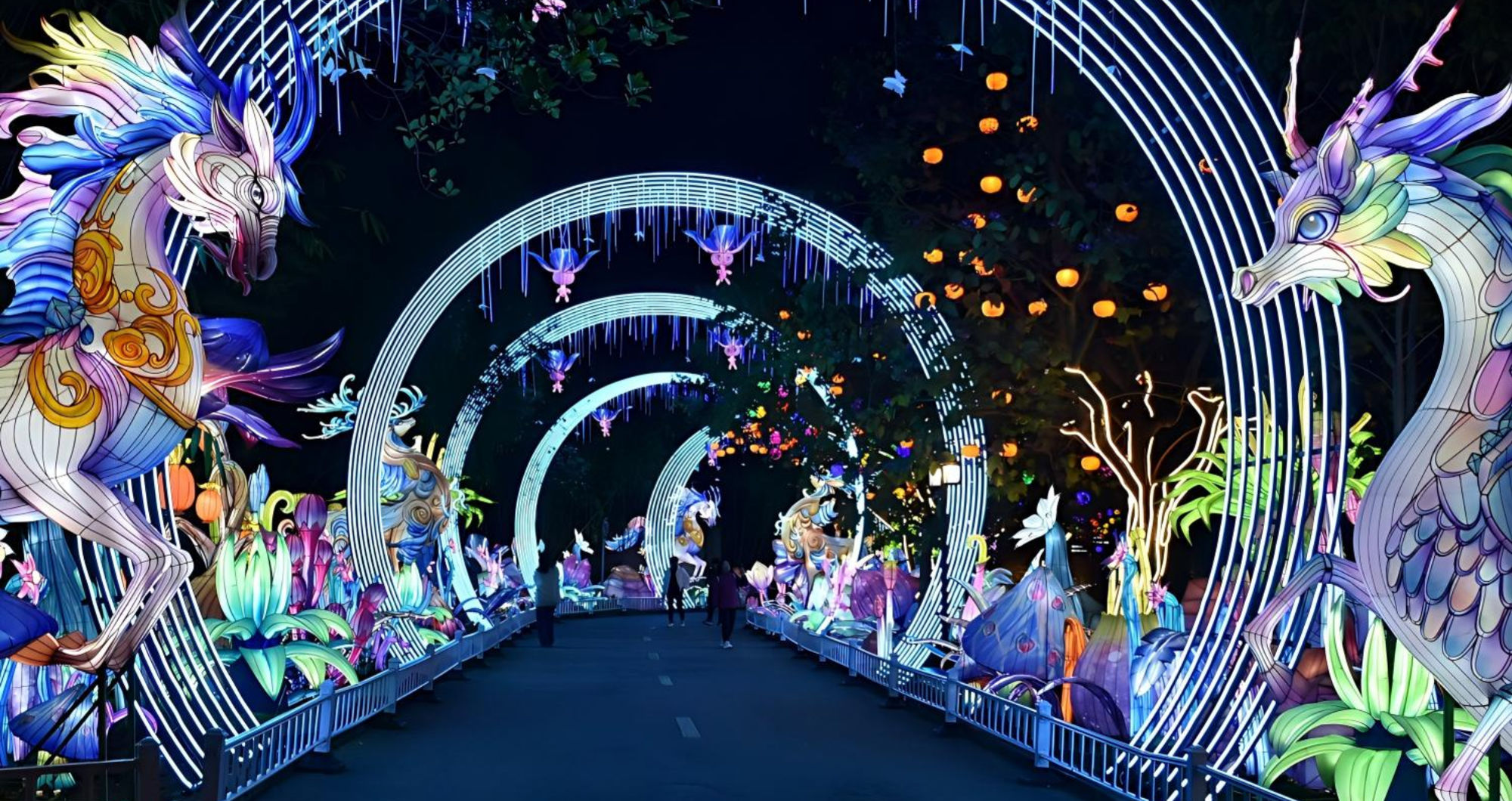

Across many cities and tourist destinations, parks are no longer seen only as daytime spaces. Public gardens, scenic walking routes, lakeside areas, heritage parks, resorts, and outdoor cultural venues are increasingly being considered part of the evening economy. As visitor habits change, more venues are looking for ways to create safe, memorable, and commercially sustainable experiences after dark.
One solution gaining attention is the lantern festival. Unlike simple decorative lighting, a well-planned lantern festival can transform an existing outdoor space into a complete nighttime visitor journey. It can help parks extend operating hours, attract families and tourists, support local businesses, and create seasonal reasons for people to return.
The Growing Value of Nighttime Attractions
Nighttime tourism has become an important opportunity for destinations that want to increase visitor spending without building entirely new infrastructure. A park that is popular during the day may have paths, trees, gardens, water features, lawns, and open spaces that sit largely unused after sunset. With the right planning, these existing assets can become the foundation of an evening attraction.
For local councils, private park operators, resorts, zoos, botanical gardens, and tourist attractions, this is especially valuable. A nighttime event can create new ticket revenue, increase food and beverage sales, encourage longer stays, and bring more activity to nearby restaurants, hotels, and retail areas.
Why Lantern Festivals Work Well in Parks
Parks are naturally suited to lantern festivals because they already have space, landscape, and visitor movement routes. A curved pathway can become a glowing journey. A lake can reflect illuminated sculptures. A garden can become a themed light trail. A large lawn can become the centrepiece for seasonal displays, animal lanterns, cultural scenes, or interactive photo spots.
This type of attraction does not need to erase the original identity of the park. Instead, it works with the landscape. Trees, bridges, water, open fields, and existing visitor routes can all become part of the experience. This makes a lantern festival for parks a practical option for venues that want to create a strong nighttime attraction while making better use of the space they already have.
From Decoration to Visitor Journey
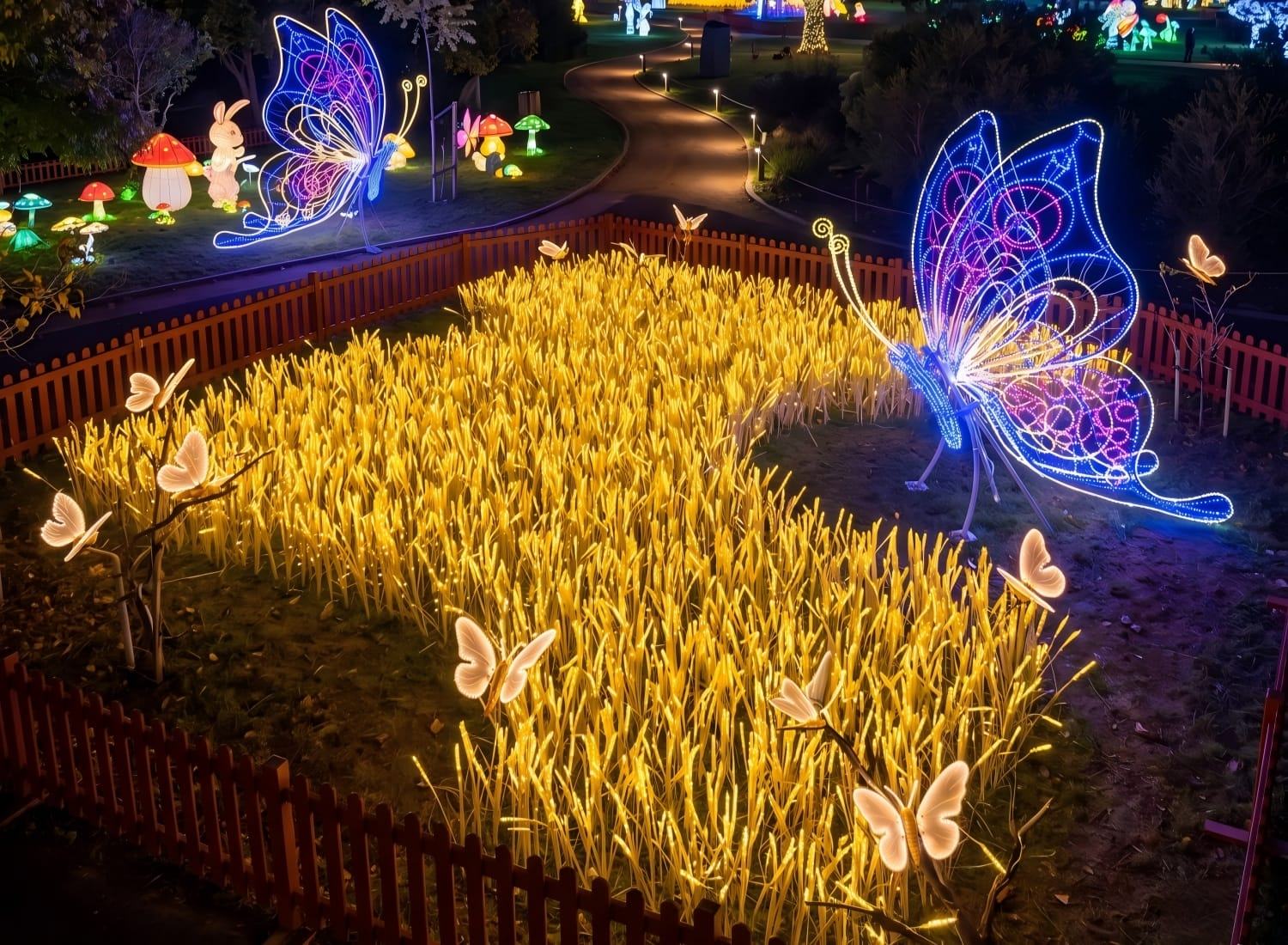
The strongest lantern festivals are not simply collections of light displays. They are designed as visitor journeys. A successful route usually includes a clear entrance, a sequence of themed areas, photo moments, rest points, and a memorable final scene. The aim is to guide visitors through the park in a way that feels natural, enjoyable, and worth sharing.
This journey-based design is important because it affects both visitor satisfaction and operational efficiency. If installations are placed without a clear route, crowds can gather unevenly, popular areas may become congested, and visitors may miss key scenes. A well-planned layout helps distribute movement, improve safety, and create a more complete experience.
Supporting the Local Visitor Economy
Lantern festivals can also support the wider local economy. When a park becomes an evening destination, visitors may arrive earlier, stay longer, and spend money nearby. Families may dine before entering the event. Tourists may book accommodation. Local vendors may benefit from higher evening footfall.
For destinations looking to build seasonal tourism, this can be a powerful model. A winter light festival, spring lantern walk, summer evening trail, or cultural holiday event can give people a fresh reason to visit the same place at different times of the year.
Over time, a successful lantern festival can become part of a city or region’s annual event calendar. This repeatability is one reason many parks and scenic areas are exploring light-based events as long-term visitor economy tools rather than one-off decorations.
Social Media Has Changed What Visitors Expect
Modern visitors often look for experiences that are visually memorable. Lantern festivals naturally fit this behaviour because they create strong photo and video moments. Illuminated arches, glowing animals, fantasy scenes, floral displays, cultural lanterns, and immersive tunnels all encourage visitors to share their experience online.
This user-generated content can become a valuable marketing channel. A well-designed light festival can spread through social media quickly, especially when it includes distinctive scenes that people cannot easily find elsewhere. For parks and tourist attractions, this kind of organic visibility can help attract new audiences without relying only on paid advertising.
Safety and Planning Matter
While lantern festivals can look magical, they are also technical outdoor projects. Weather resistance, power supply, cable protection, visitor flow, emergency access, installation stability, and accessibility all need careful planning.
Outdoor events must be designed for real conditions. Rain, wind, temperature changes, ground surfaces, and long operating hours can all affect the final result. For public spaces, safety is not separate from design; it is part of the visitor experience.
Comfort also matters. Clear signage, suitable walking distances, rest areas, balanced lighting levels, and family-friendly routes can make the difference between a simple light display and a successful nighttime attraction.
A Flexible Way to Reimagine Public Spaces
One of the advantages of lantern festivals is flexibility. Many installations can be temporary, seasonal, modular, and reusable. This allows parks to test different themes, refresh the visitor experience each year, and adjust the route based on audience feedback.
For venues that are cautious about major permanent investment, this flexibility is important. A lantern festival can begin as a seasonal event and develop into a recognised annual attraction if the response is strong.
The Future of Parks After Dark
As cities and tourist destinations continue to compete for visitor attention, parks that can offer memorable after-dark experiences will have a stronger advantage. Lantern festivals combine visual beauty, cultural storytelling, family-friendly entertainment, and commercial potential in a way that suits many outdoor venues.
They help familiar spaces feel new again. They give visitors a reason to return. They support local tourism and create moments that people want to remember and share.
For park operators and destination managers, the opportunity is clear: the future of public spaces may not only depend on what they offer during the day, but also on how creatively they come alive after dark.







