
By Jose Ucar & Derek Smith
For years, leadership was measured by how much authority you could project.
Today, it is measured by how much trust you can create.
The leaders shaping 2026 are not the ones performing with confidence. They are the ones communicating calm.
Leadership in 2026 is defined less by control and more by connection.
The end of the dictator’s voice
According to the 2025 DDI Global Leadership Trends Report, the highest performing teams are led by managers who create connection rather than compliance. Command and control styles, often described as the dictator voice, are fading fast.
McKinsey’s latest findings reinforce the shift. Organisations led by empathetic, emotionally intelligent leaders show higher retention and stronger collaboration across teams.
For decades, leadership presence was confused with dominance. Louder voices, stronger projection, greater charisma.
In a world of hybrid meetings, global teams, and cultural diversity, dominance no longer translates. The leaders who thrive today speak with awareness and warmth. Confident enough to take responsibility. Humble enough to listen.
A fresh model for leadership in 2026
In their joint coaching work, Jose and Derek introduce a simple ritual called Set the Stage.

Before any meeting, presentation, or team call, the leader takes one minute to do three things:
- Connect the room
Acknowledge who is present, by name, effort, or purpose. - Clarify the goal
Revisit why this conversation matters today. - Invite honesty
Make it explicit that feedback and openness are welcome, and that mistakes are part of progress.
This brief moment reshapes the tone of the conversation. It signals shared responsibility and psychological safety.
As Derek puts it, presence is calm that others can trust.
Why heart is now a leadership skill
A Deloitte 2025 Leadership Capabilities Report shows that empathy, once labelled a soft skill, now ranks among the strongest business differentiators.
The organisations outperforming competitors in growth and innovation are led by people who humanise communication through humility, emotional range, and genuine curiosity.
Many leaders still resist vulnerability. They mistake openness for weakness.
The evidence suggests the opposite. Teams led by authentic leaders report higher engagement and stronger trust, two of the most reliable predictors of performance and innovation.
As Jose often says, a human leader listens, learns, and leads with curiosity.
Heart led leadership is not sentimentality. It is emotional fluency. Reading the room, regulating tone, and creating an environment where courage feels safe.
What is outdated and what comes next
Speaking at people instead of with them is no longer effective. The top-down broadcast is obsolete.
Modern leadership communication requires rhythm, empathy, and responsiveness. The strongest leaders do not simply deliver messages. They host conversations.
Across their sessions in London, EMEA, and beyond, one pattern repeats. Authentic tone builds long-term authority. Performance improves not because people are told to comply, but because they choose to contribute.
Every word spoken in a meeting, email, or informal exchange shapes the organisation’s emotional climate. Tone sets trust in motion.
Start the next meeting by setting the stage. Speak with empathy. Invite feedback early.
Leadership is not about having the last word.
It is about giving others the confidence to speak first.
About the Authors
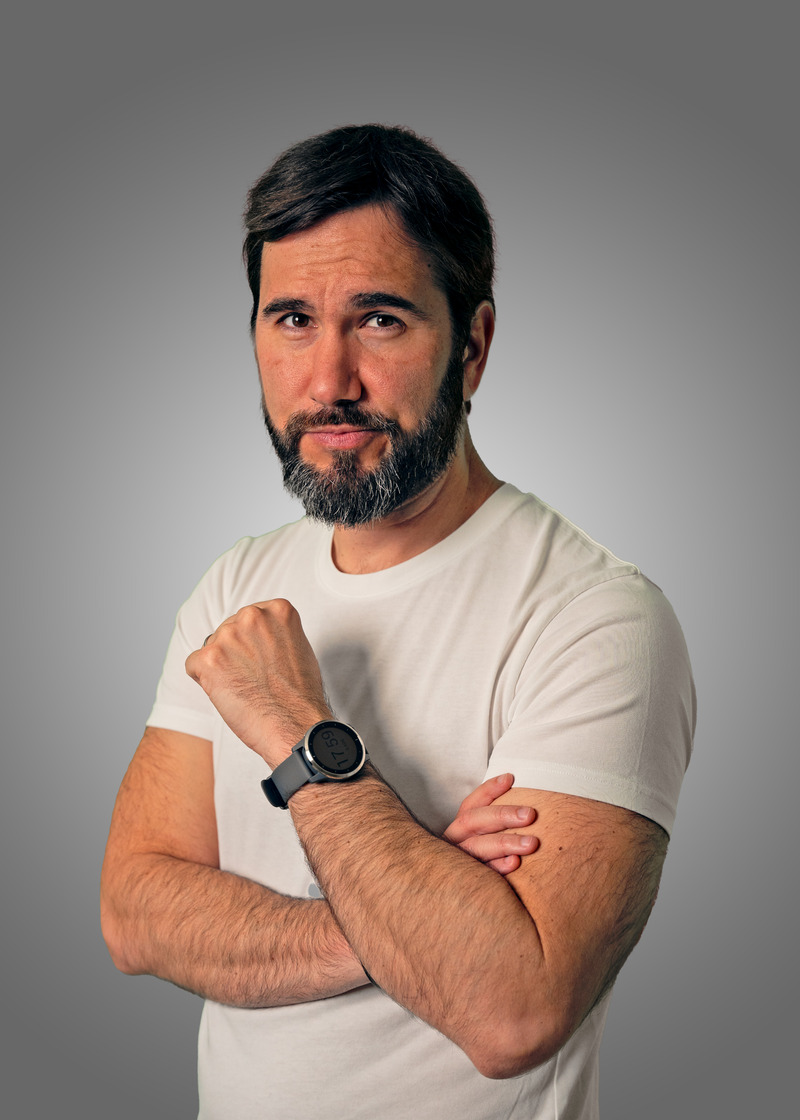
Jose Ucar (Venezuelan, based in London) and Derek Smith (Canadian, based in Portugal) help founders, leaders, and teams speak with impact and lead with presence – on stage, online, and across cultures. Together, they deliver workshops, keynotes, and coaching that turn voices into visibility, influence, and results.
Want your team to communicate with greater impact? Book Jose and Derek’s Communication & Presence Workshop, available online and in London.