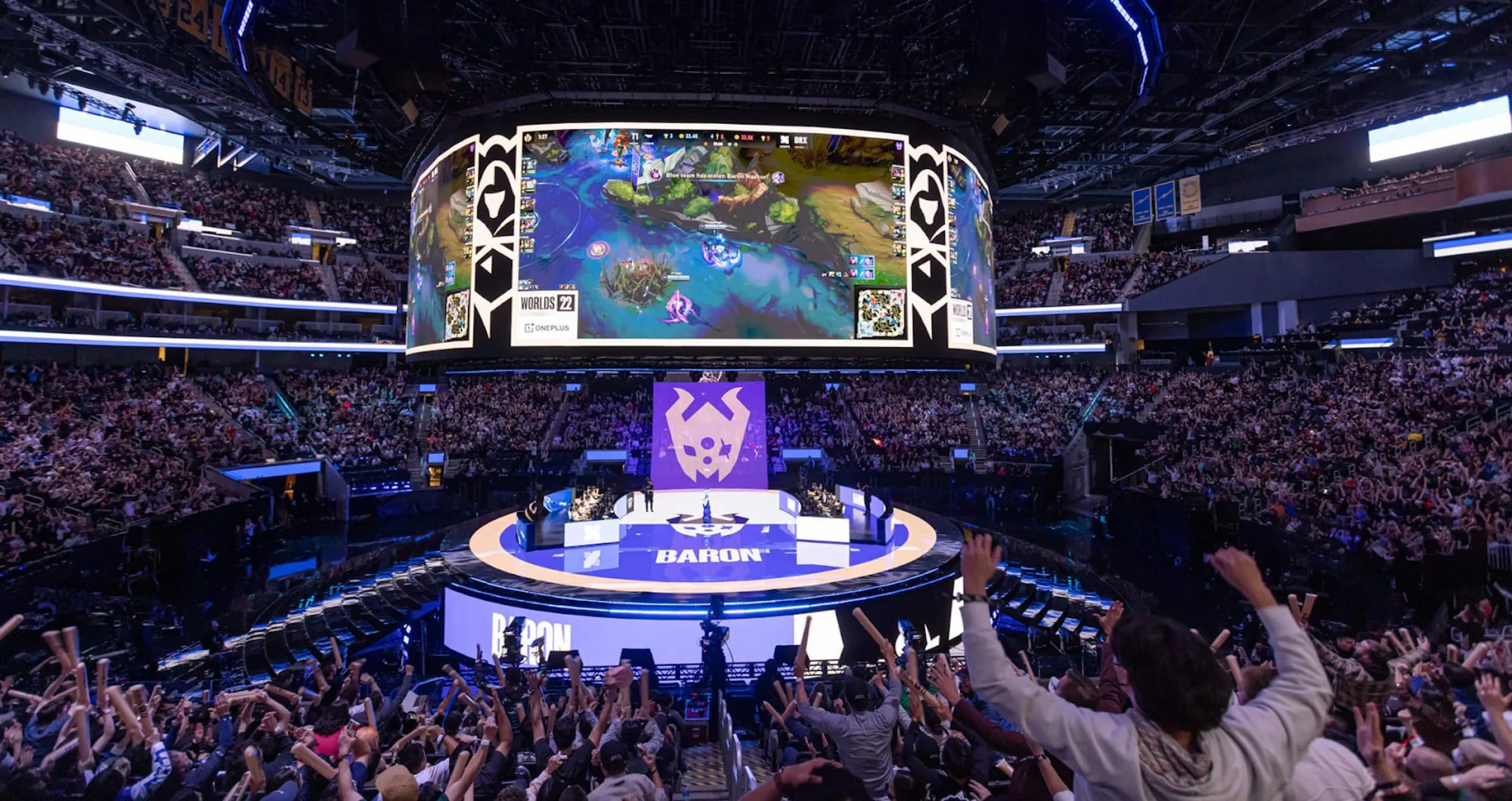

Since its launch in 2009, League of Legends (LoL) has transcended its roots to become one of the most electrifying esports franchises globally. With intricate gameplay, evolving strategies, and a dedicated community, LoL esports is much more than fast-clicks—it’s a spectacle of teamwork, innovation, and adrenaline-filled competition. Whether you’re tuning in as a fan, aspiring player, or simply curious, understanding the ins and outs of this scene is essential. And if you’re after action-packed viewing, look no further than the thrilling live esports tournaments.
LoL esports began humbly, with local tournaments in 2010. Riot Games quickly recognized its potential and began investing heavily. By 2011, regional leagues launched across North America (NA LCS), Europe (EU LCS), Korea (OGN), and China (LPL). Each region soon developed its identity and style:
- Korea became known for disciplined play and legendary rivalries.
- Europe emphasized strategic innovation.
- North America focused on entertainment and fan engagement.
- China became a powerhouse of raw talent and intense matches.
Global marquee events like the World Championship (Worlds) and Mid-Season Invitational (MSI) elevated LoL into the mainstream. Today, millions flood to stadiums or tune in online, witnessing some of the most remarkable esports moments in history.
The Structure of Competitive LoL
Regional Leagues
Each of the primary regions—LCS, LEC, LCK, and LPL—runs a regular split system:
- Regular Season: Teams play round-robin matches.
- Playoffs: Top contenders compete for regional titles and Worlds qualification.
- Promotion/Relegation: In some regions, bottom teams can be demoted to lower tiers.
This system ensures competition remains fierce across the entire season.
International Events
- Mid-Season Invitational (MSI): A mid-year showcase where regional champions clash.
- World Championship: The pinnacle of the LoL calendar. Regionally seeded teams vie for the Summoner’s Cup.
- All-Star Event: A fan-favorite blend of exhibition matches and entertainment.
What Makes LoL Esports Unique
Strategic Complexity
LoL is a 5v5 team battle on Summoner’s Rift where each player picks a champion with unique abilities. Teams navigate objectives like Turrets, Dragons, Baron Nashor, and Rift Herald. The ever-evolving meta ensures there’s always room for new strategies, champion picks, and compositions—keeping both fans and pros on their toes.
Roster Dynamics
Esports is more than just individual skill; it’s about synergy. A unified team with shared vision often outperforms teams with scattered star talent. Mid-season roster moves and team dynamics heavily influence a team’s performance and viewer interest.
Global Storytelling
Fans don’t just watch matches—they follow dramatic narratives:
- Rookie stars rising to glory.
- Rivalries between regions, such as K-pop versus EU flair.
- Perseverance arcs of veteran players.
These stories make every match matter, turning games into defining moments.
Landmark Events in LoL History
The 2012 Taipei Assassins Upset
Taipei Assassins shocked the world by defeating Asian giants, proving that underdog stories can echo loudly in esports history.
SK Telecom T1’s Dynasty
Under the leadership of Faker, SKT (now T1) holds three World titles. Their dominance shaped competitive play and cemented LoL’s global appeal.
DWG KIA’s Historic Run
Emerging from the LCK, DWG KIA swept MSI and Worlds in 2020, showcasing the potency of hybrid playstyles combining macro-control with mechanics.
How to Follow and Enjoy Live Competitions
For newcomers, beginning to watch LoL can feel overwhelming. Here’s how to dive in:
In-Client Event Viewer
Riot’s official client includes a viewer that shows live matches and top play highlights—perfect for discovering the meta.
Streaming Platforms
Twitch, YouTube Gaming, and other platforms offer live broadcasts with commentary in numerous languages and interactive chat engagement.
Fan Communities
Reddit, Discord, and Twitter serve as hubs for analysis, highlight discussions, and fan-created content.
The Esports Ecosystem Around LoL
Leagues and Franchising
Most regions have adopted a franchising system, granting permanent spots to teams and enabling long-term investment and stability.
Academy Teams
Feeder leagues nurture future talent, ensuring a steady pipeline of players and stories behind the stars.
Content and Media
From behind-the-scenes documentaries to player vlogs, LoL has extensive content supporting its competitive culture.
Global Fan Engagement
Viewership Numbers
Worlds finals consistently pull tens of millions of live viewers—comparable to some of the biggest traditional sporting events.
Fan Events
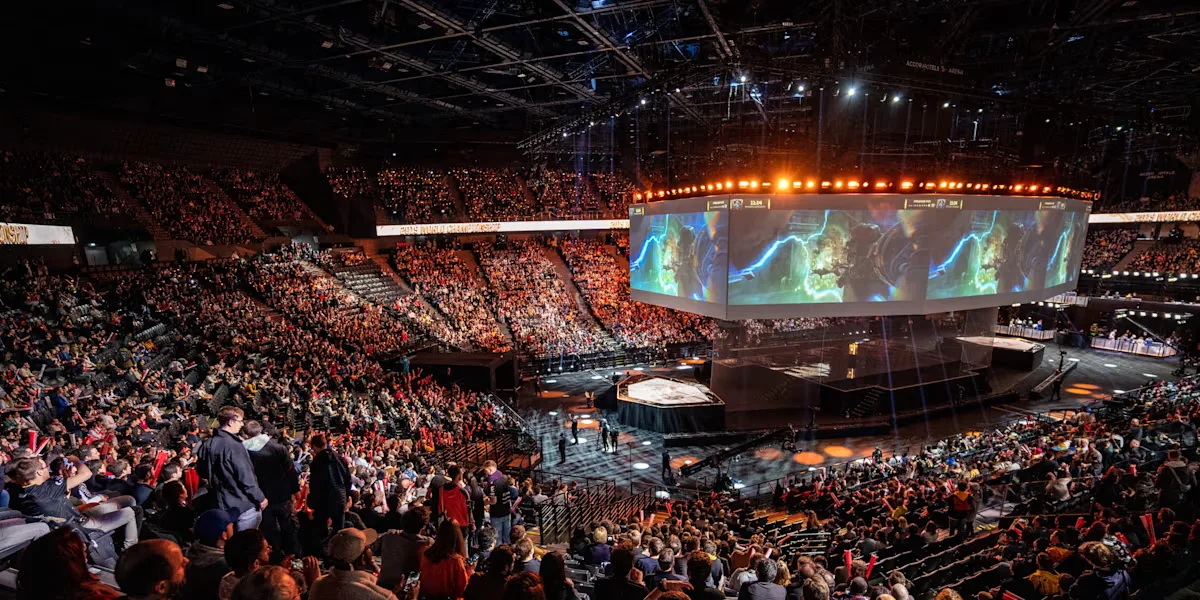
Worlds has sold-out arenas from New York to Seoul. Fans participate in cosplay contests, meet merchandise booths, and rally for their favorite teams.
Bet and Fantasy Gaming
Fantasy leagues, trivia, and even live esports tournaments betting have become common, deepening engagement and excitement.
Player Development and Career Paths
Becoming a Pro
Talent pathways include:
- Local and online amateur tournaments.
- Academy trials for LoL teams.
- Scouting through regional broadcasts.
Player Support Systems
Pro teams invest in coaching staff, analysts, sports psychologists, physical training, and nutritional programs—essential for longevity and mental wellness.
Post-Career Opportunities
Retired pros often stay involved as coaches, analysts, streamers, or coaches in minor leagues, contributing to the ecosystem’s sustainability.
The Business Behind the Scenes
Sponsorships and Advertising
From Intel to Coca-Cola, global brands back LoL events and teams—their logos plastered across arenas and player jerseys.
Ticket Sales and Merchandising
Stadium tickets, replica jerseys, team memorabilia—these are major revenue streams supporting the scene.
Media Rights and Partnerships
Riot licenses broadcast rights globally, similar to traditional sports broadcasting models.
Trends Shaping the Future of LoL Esports
- VR & AR Integration: Immersive fan experiences are on the horizon.
- Cross-regional Play Enhancements: Global competitions are expanding beyond MSI and Worlds.
- Data-Driven Coverage: Analytics tools are being used by fans and coaches alike for deeper insight.
- Gender Inclusion: Initiatives like Game Changers foster more diverse competition.
Tips for New Viewers and Fans
- Learn basic LoL mechanics—champion roles, objectives, meta snapshots.
- Watch analysis series or YouTube educational content.
- Follow casters and analysts on Twitter for real-time insights.
- Engage with casual formats like All-Stars before diving into competitive finals.
More Than Just a Game
League of Legends esports is a multi-faceted phenomenon—a mix of ultra-competitive gameplay, compelling human narratives, and fan-driven benchmarks. From its grassroots beginnings to global stage spectacles, LoL has defined what competitive gaming can be.
If you’re ready to witness the drama, skill, and energy of pro-level gameplay, don’t wait—experience the excitement of live esports tournaments and be part of a community that thrives on excellence.
Play smart, watch passionately, and welcome to the heartbeat of competitive gaming.