
A growing public health concern is emerging across London’s red bus network, as drivers report widespread cockroach infestations on vehicles and in staff rest areas. These conditions have raised significant concerns among transport workers, who are calling for immediate action from Transport for London (TfL) and private bus operators.
The issue came to light after images and videos showing cockroaches on bus seats, floors, and inside drivers’ personal belongings circulated online. In one video filmed on 8 October, cockroaches were found inside a driver’s food container at a rest facility. In another incident, a driver on route 159, which runs between Streatham and Marble Arch, reported discovering a cockroach in their drink during a break.
Bus safety campaigners have identified routes 159, 345 (Peckham to South Kensington), and 55 (Walthamstow to Oxford Circus) as being among the worst affected by the infestations. The London Bus Forums group, which has been central to raising awareness of the issue, has described the situation as a “public health concern affecting both staff and passengers.” With approximately five million bus journeys made daily across the capital’s 675 routes, the risk of the pests spreading further is a concern for many.
Kevin Mustafa, a bus safety campaigner, has been vocal in calling for improvements in hygiene across the network. “The current conditions are challenging for drivers who already work in demanding environments,” he stated. “London bus drivers are reporting ongoing issues with cockroaches and unsanitary conditions on their vehicles. This is not an isolated problem — many drivers are experiencing infestations, and the situation is beginning to raise significant health, safety, and wellbeing concerns.”
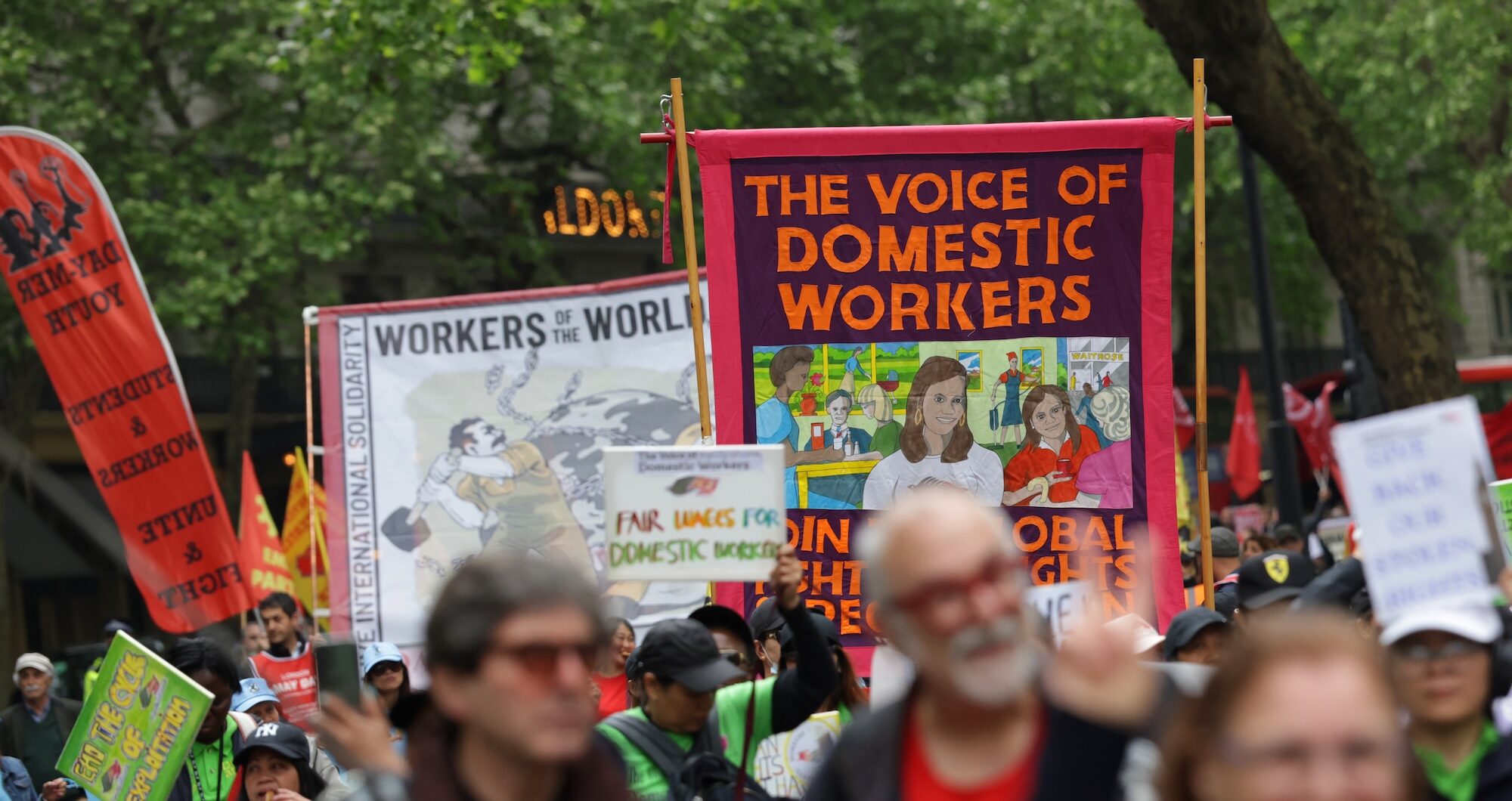
In response to the growing issue, drivers and their supporters are planning a march on 5 November to call for improved working conditions and the introduction of a “Bus Drivers Bill of Rights.” Their demands include more frequent deep cleaning of buses, the use of insecticidal and heat treatments, enhanced vacuuming protocols, and the sealing of known pest hotspots within the vehicles.
TfL has acknowledged the situation and launched an investigation. A TfL spokesperson stated that they are committed to working with operators to provide a clean environment for staff and customers. They noted that most TfL welfare facilities are cleaned multiple times a day, at a minimum daily, to maintain hygiene and safety standards. All buses are also cleaned every night before entering service, and such reports are considered rare. The spokesperson emphasised that any reports raised are taken seriously, and investigations into specific incidents are ongoing. If necessary, buses will be taken out of service for inspection, deep cleaning, and treatment with specialist equipment. TfL reassured staff that operators would not take action against those raising concerns about welfare or safety and encouraged drivers with concerns to contact their employer, union, or TfL directly.
For the thousands of drivers and millions of passengers who rely on London’s bus network, the investigation by TfL represents a step toward addressing these concerns and restoring confidence in the cleanliness and safety of the city’s buses.
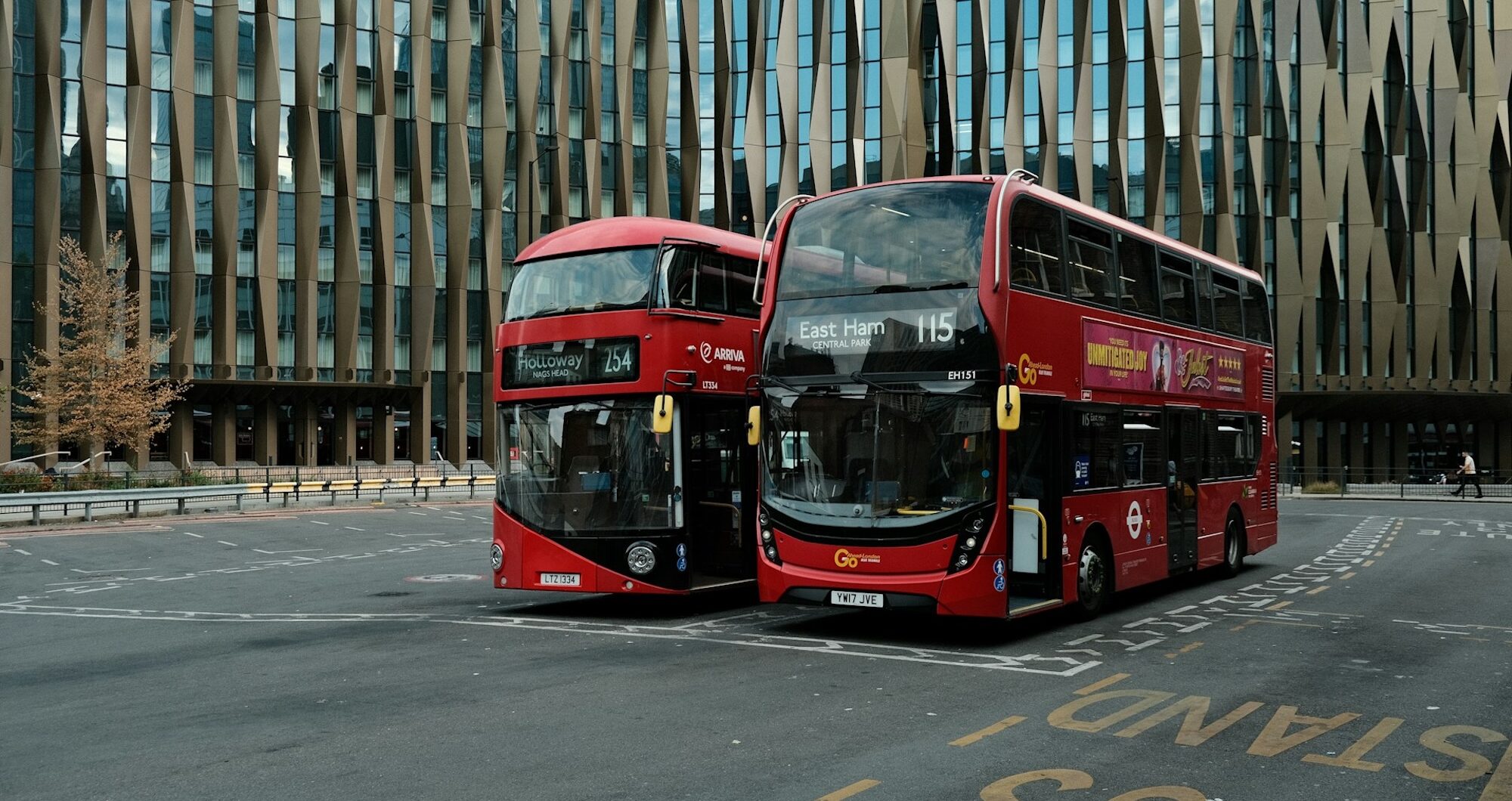
Feature Image by Max Kukurudziak from Unsplash