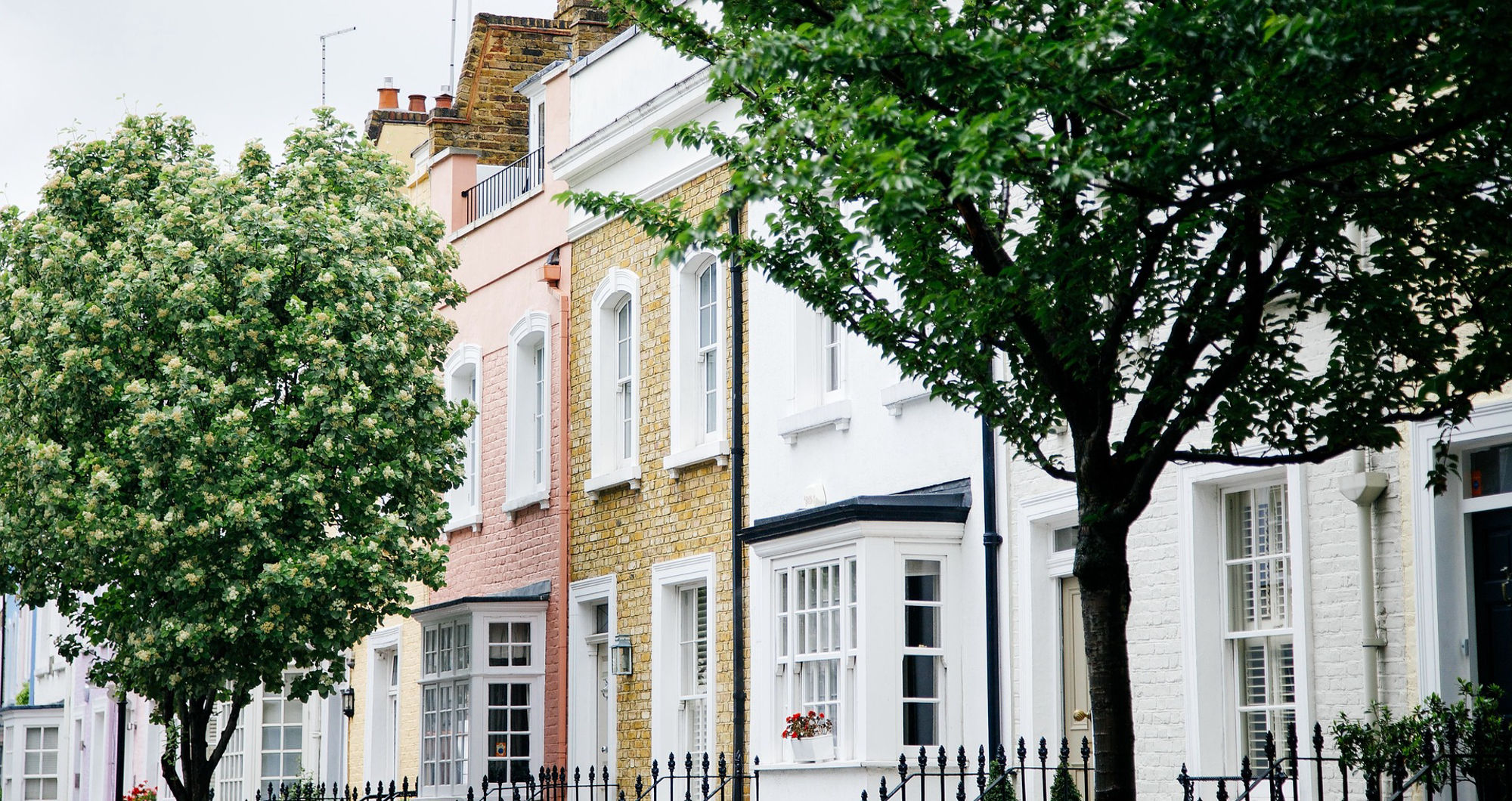

London’s map of desirable neighbourhoods is changing again.
For years, young professionals focused heavily on living close to offices in central London, often sacrificing space, lifestyle and affordability for shorter commutes.
But in 2026, hybrid work, rising rents and changing social habits are reshaping how younger Londoners choose where to live.
Instead of prioritising prestige postcodes alone, many professionals are increasingly searching for neighbourhoods that combine flexible commuting, nightlife, green space, café culture and stronger work-life balance.
That shift is quietly transforming demand across several parts of London.
Why young professionals are moving differently now
Hybrid work remains one of the biggest drivers behind changing housing behaviour.
Recent property market analysis around London’s 2026 neighbourhood trends suggests professionals are increasingly willing to move further from traditional office districts in exchange for larger living spaces, better amenities and lower rental pressure.
The logic of “live as close as possible to the office” is weakening.
Instead, many renters now balance:
- commute flexibility
- social atmosphere
- remote work suitability
- outdoor lifestyle access
- café and wellness culture
- affordability
Recent rental market data has also shown competition easing slightly across parts of the London rental sector after years of extreme pressure.
Hackney Wick is attracting creative and tech workers
Hackney Wick continues evolving beyond its former industrial identity.
The area’s canal-side culture, warehouse conversions, creative studios and nightlife scene increasingly appeal to younger professionals working in tech, media, design and startup industries.
Its social atmosphere feels less corporate than more traditional business-focused districts, while strong Overground links still provide access to central London.
For many younger renters, the appeal lies in lifestyle identity as much as location itself.
Battersea is becoming more mainstream for young professionals
The transformation around Battersea Power Station continues to reshape southwest London.
Improved transport links, riverside development and expanding hospitality culture are attracting professionals looking for a more polished but still socially active environment.
The area particularly appeals to workers balancing hybrid office schedules with lifestyle-focused living.
Green space access, gyms, cafés and wellness-driven amenities are increasingly influencing residential decisions among younger renters.
Developments around Battersea, Mayfair and Nine Elms also reflect growing demand for lifestyle-driven neighbourhoods that combine luxury, convenience and social infrastructure.
Walthamstow is quietly becoming more desirable.e
Walthamstow is increasingly attracting younger professionals priced out of more central east London districts.
The area benefits from relatively strong transport connectivity while offering larger living spaces and a growing independent café and restaurant scene.
Some property analysts believe outer London neighbourhoods with strong transport access could continue benefiting from hybrid work patterns over the next several years.
The growth of local social infrastructure is also becoming increasingly important.
Young professionals now often evaluate neighbourhoods around walkability, independent businesses and lifestyle convenience rather than commuting alone.
Student areas are increasingly influencing professional housing trends
The overlap between student and young professional neighbourhoods is also becoming more visible.
Areas previously associated primarily with student living are increasingly retaining graduates for longer as flexible work and rental pressure reshape post-university housing decisions.
The transition between university lifestyle and professional life is becoming less geographically dramatic than it once was.
Social media is reshaping neighbourhood popularity.
Platforms like TikTok and Instagram are increasingly influencing where younger Londoners want to live.
Neighbourhood visibility now matters commercially.
Cafés, canal walks, fitness studios, rooftop spaces and “aesthetic” streetscapes increasingly contribute to how areas develop reputational momentum online.
That visibility can rapidly accelerate rental demand in previously overlooked districts.
Some London neighbourhoods are now effectively building digital identities alongside physical ones.
But affordability remains a major problem
Despite shifting preferences, affordability pressures remain severe across much of London.
Even neighbourhoods once viewed as “affordable alternatives” are experiencing rising rents as demand spreads further across the capital.
Recent rental market reports suggest affordability pressure is still limiting how far rents can continue rising despite ongoing demand.
Many younger professionals continue balancing difficult trade-offs between location, space, commuting costs and quality of life.
Some are also increasingly considering leaving London entirely for commuter cities or regional hubs offering lower living costs and greater flexibility.
Why London’s residential map may keep changing
The reality is that London’s young professional culture is becoming less centralised.
Hybrid work, AI-driven office culture, flexible schedules and changing lifestyle priorities are weakening older assumptions about where ambitious young workers need to live.
Neighbourhoods offering identity, flexibility and quality of life increasingly compete just as strongly as traditional prestige postcodes.
And as London’s work culture continues evolving, the city’s residential geography is likely to keep shifting alongside it.