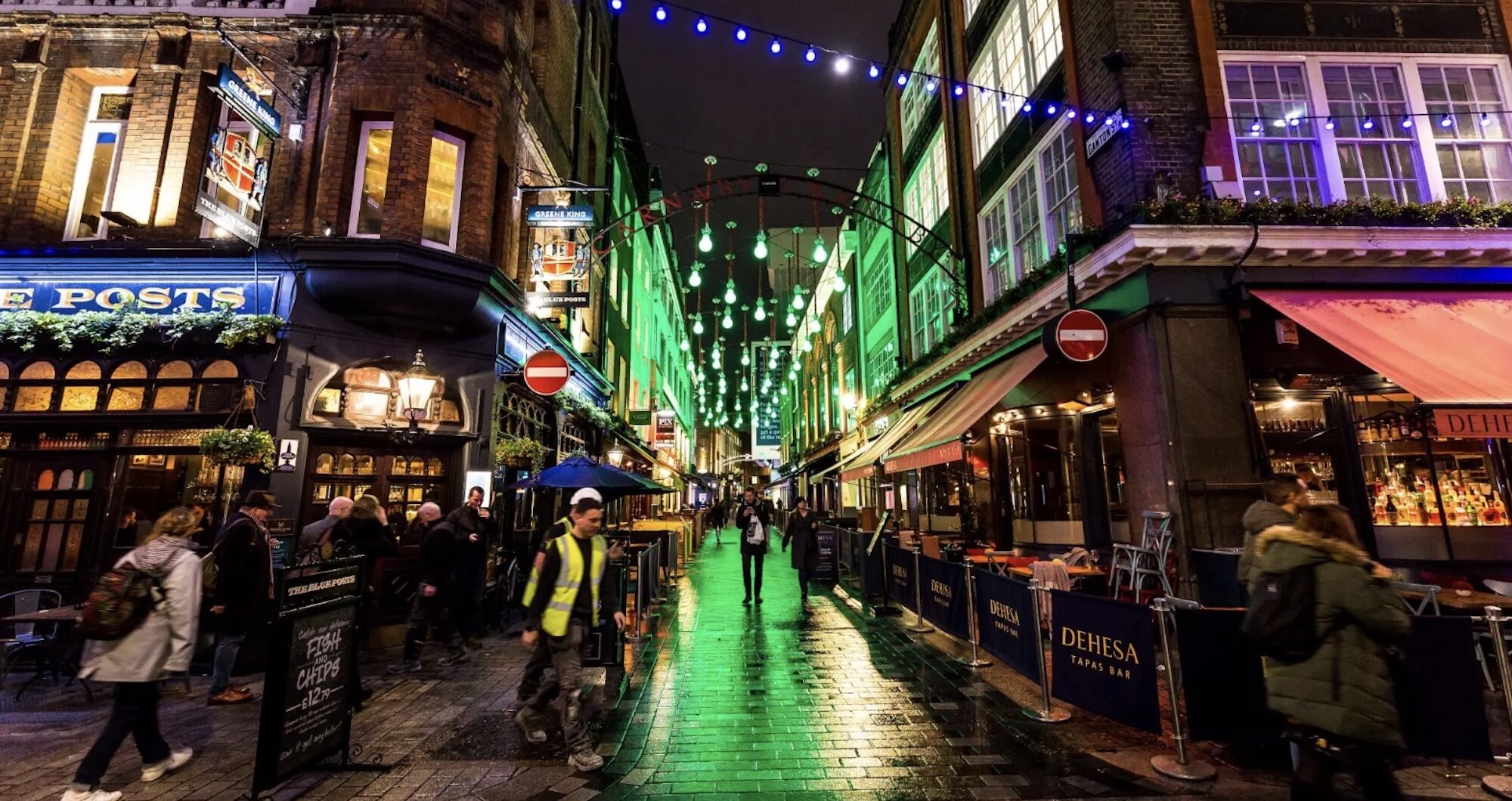

London’s nightlife is under threat and insiders say the warning signs are impossible to ignore. From packed midweek clubs to “nowhere to go on a Monday,” DJ Sam Young—one of the UK’s most in-demand party starters—is calling for action.
“Since the pandemic London nightlife has changed a lot,”
– Young says.
“It’s always been changing, but there’s no denying more nightclubs are closing.”
Young made his name as a resident DJ in London’s late 90s–00s club scene, playing iconic venues like Boujis, Chinawhite, Bungalow 8, Movida and Raffles. He later took that success global, touring the US and performing at major events from Red Bull’s Monaco Grand Prix to the Team USA Olympic closing party. Known for playing to high-profile crowds and private events, he has become a trusted name on the international circuit.
That global perspective, combined with years of playing packed London schedules, gives Young a front-row view of how dramatically the capital’s nightlife has shifted.

“When I started, you could find two to four great parties any night of the week,” he says. “Now you’d be hard pressed to find anywhere decent on a Monday.”
The data reflects that reality. The UK’s late-night sector has shrunk by around 28% since 2020, with nearly 800 venues lost. Around one-third of nightclubs have shut and closures are continuing at a rate of around three venues a week.
Yet for Young, the story isn’t simply one of decline—it’s also one of evolution.
“DJs are now playing in bars, restaurants, hotels and members’ clubs,” he explains. “Hospitality has moved with the times. It’s not all doom and gloom. There will always be spaces for people to dance and hear good music.”
That shift is reshaping how London socialises. Daytime raves, brunch parties and vinyl-led sessions are booming, while younger audiences are drinking less and heading out earlier. As Young puts it: “People want to dance all afternoon and be in bed by eleven.”

But beneath these changing habits lies mounting pressure on the industry.
“One of the biggest problems is new housing developments being built next to venues that have been there for years,” he says. “It’s hugely unfair for these establishments, who then face complaints and threats from local authorities.”
Rising rents, energy costs and staffing shortages are also pushing venues to the brink, with calls for VAT cuts and licensing reform growing louder. Without intervention, London risks losing not just venues—but its status as a global nightlife capital.
For Young, the consequences go far beyond the dancefloor.

“This is about the whole ecosystem,” he says. “Every DJ starts in small rooms. If those spaces disappear, where does the next generation come from?”
As a producer and label head, he sees that pipeline up close. Through Wyldcard Records, and releases under Vanilla Ace and Sammy Deuce—featured on Ministry of Sound, Toolroom and Spinnin’—he continues to support emerging artists navigating a rapidly shifting industry.
“Up and coming DJs today need to ignore the myths of social media and get real-life gig experience,” he adds. “Nothing replaces playing to a crowd.”
While Young remains optimistic about the future, he is clear that action is needed now.
“London needs a more unified, city-wide licensing system for venues,” he says. “It’s currently very fragmented. Music lessons also need to be brought back into schools. That’s where future talent can thrive.”
Protecting venues, investing in youth spaces and recognising nightlife as vital cultural infrastructure will be key. As London faces a defining moment, the future of its night economy will depend on decisive action—ensuring space for new talent, space for evolution and real commitment to a culture that has long defined the city.