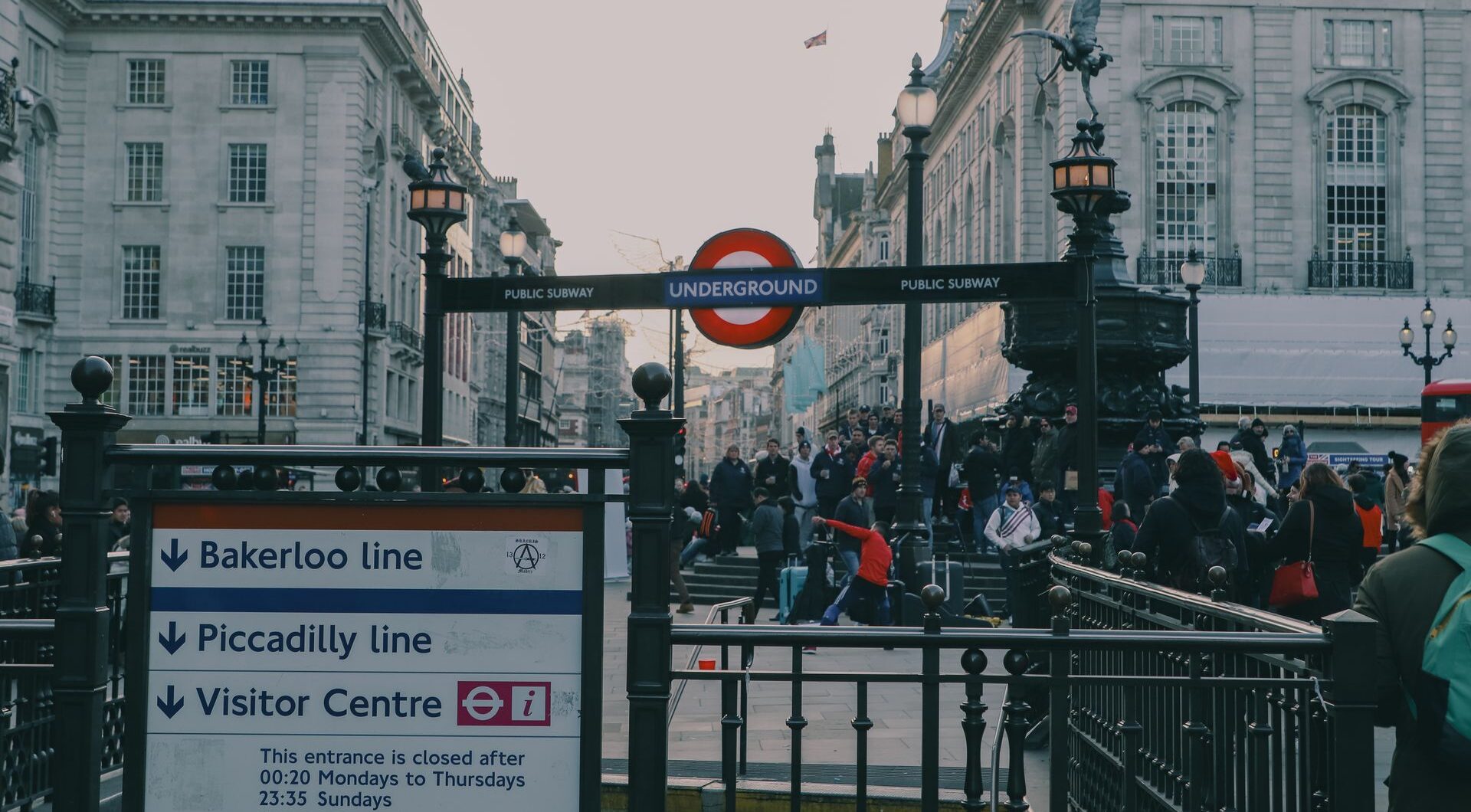

London’s Underground Faces Extensive June Closures for Vital Upgrades
Commuters across the capital are bracing for significant disruption this June as Transport for London (TfL) implements a comprehensive programme of planned maintenance and upgrades across Underground and Overground lines. Starting today, June 12, 2026, these essential works aim to modernise the network and enhance future service reliability, though they will undoubtedly test the patience of millions.
The extensive closures, predominantly scheduled for weekends, are part of TfL’s ongoing commitment to maintaining and improving London’s vital transport infrastructure. While the immediate impact will be felt through altered journeys and longer travel times, officials emphasise the long-term benefits of these upgrades, including preparations for the future introduction of new Piccadilly line trains.
Unpacking the Disruption: Key Lines Affected
Almost every major line will experience some form of closure or service alteration throughout June. The District line, a crucial artery for many Londoners, faces the most substantial disruption, with services paused seven times this month. This includes early finishes and full-day closures on various sections, particularly impacting routes to Ealing Broadway, Kensington (Olympia), Richmond, and Wimbledon. Passengers are advised to check their routes meticulously before travelling, especially on Saturdays and Sundays.
Other Underground lines facing significant, albeit less frequent, interruptions include the Circle, Hammersmith & City, Metropolitan, and Piccadilly lines. The Piccadilly line, in particular, will see sections closed in preparation for its new fleet of trains, a development keenly anticipated by regular users. These closures will affect services to Heathrow and Uxbridge, including during Night Tube operations, necessitating alternative travel arrangements for airport passengers and late-night commuters.
Overground and DLR Adjustments
Beyond the Underground, London Overground services will also undergo planned works. Lines such as the Lioness, Mildmay, Suffragette, Weaver, and Windrush will experience various closures, particularly on Sundays and during late evenings. These works are critical for maintaining the network’s resilience and ensuring the safety and efficiency of services that connect outer London boroughs.
The Docklands Light Railway (DLR) and the Elizabeth line are not immune to these essential upgrades. The DLR will see closures affecting routes from Poplar to Beckton and Stratford International to Woolwich Arsenal on select weekends. Meanwhile, the Elizabeth line will have services altered, with some trains not stopping at specific stations like Acton Main Line, Hanwell, and West Ealing after 10:30 PM, and full closures on routes such as Paddington to Abbey Wood on certain Sundays. These adjustments are vital for the continued integration and optimisation of London’s newest railway. For detailed information on how these changes might affect your journey, the official TfL website provides up-to-the-minute service updates and a comprehensive journey planner.
Navigating the Network: Advice for Commuters
With such widespread closures, planning ahead is paramount. TfL strongly advises all passengers to consult their website or use the TfL Go app for the latest information before embarking on their journeys. Alternative routes, including bus services and National Rail connections, will be crucial for navigating the city during these periods of disruption. For those interested in broader discussions around urban mobility and infrastructure, a recent article on London’s transport future offers further insights into ongoing developments.
The impact of these closures extends beyond daily commutes, potentially affecting businesses and tourism. However, the necessity of these upgrades for the long-term health of the network is undeniable. As London continues to grow and evolve, its transport system must keep pace, and these planned works are a fundamental part of that progression. Another relevant piece on the challenges of maintaining a historic transport system delves into the complexities faced by cities like London.
In summary, while June presents a challenging period for London’s public transport users, the proactive measures taken by TfL are designed to ensure a more reliable and efficient network for years to come. Passengers are encouraged to stay informed, plan alternative routes, and allow extra time for their journeys.
Feature image by Banx Photography from Pexels