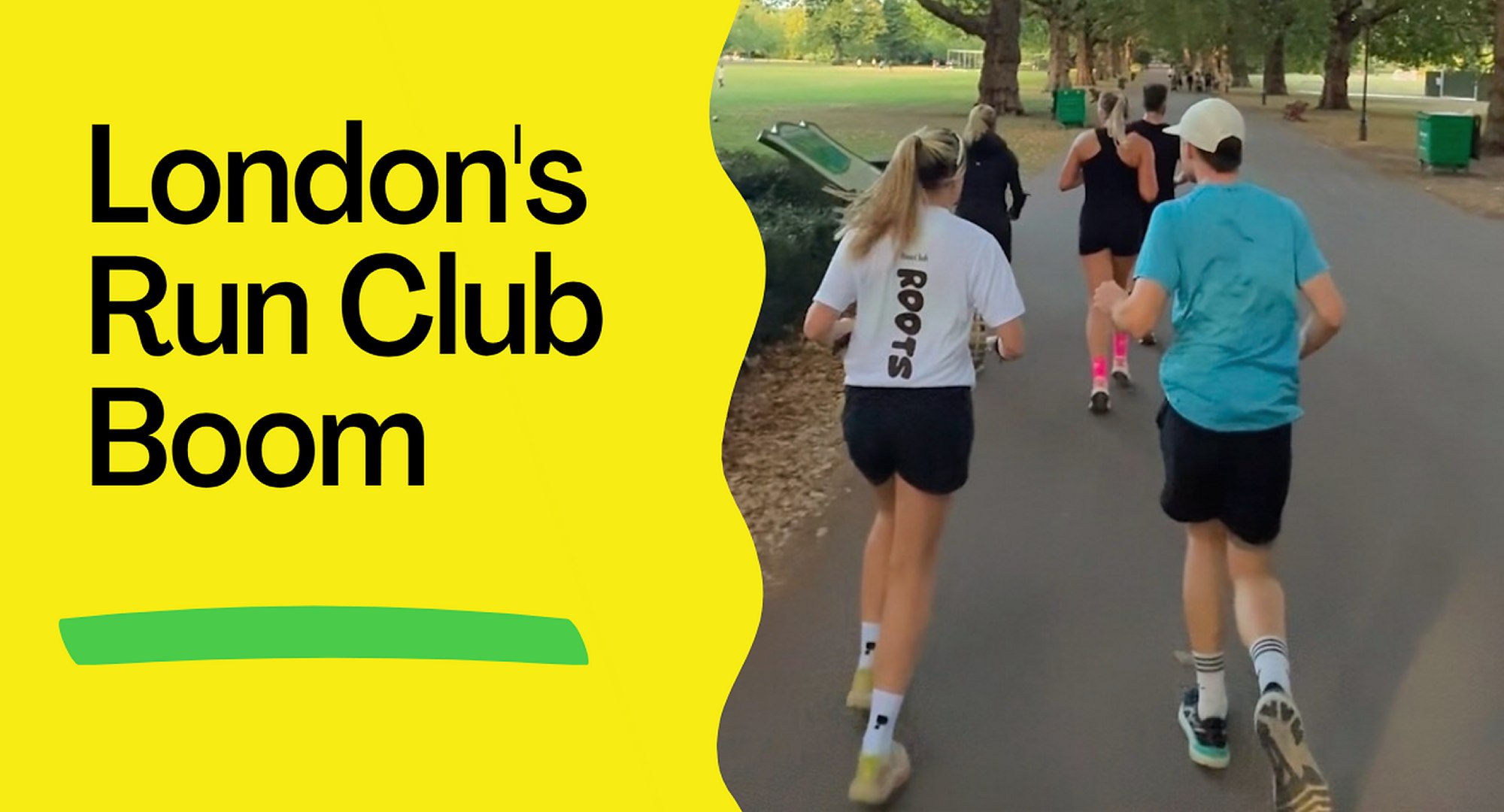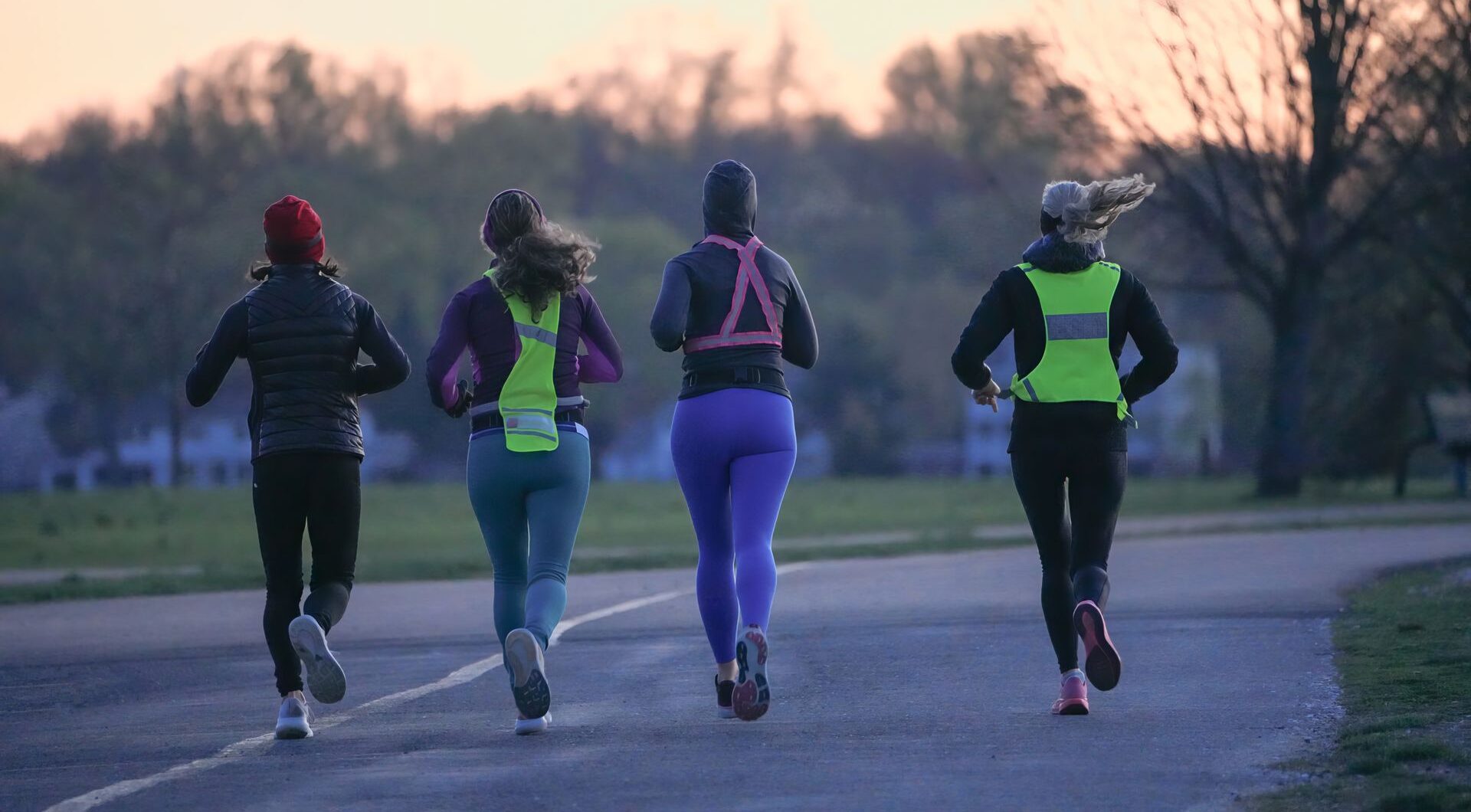

On any weekday evening, groups of runners can be seen weaving along the South Bank, looping Victoria Park or tackling the climb up Primrose Hill. Run clubs have become one of the capital’s most popular social scenes, with groups meeting outside coffee shops, breweries and sports shops across almost every borough.
For many Londoners, the after-work run has replaced the after-work pint as the social highlight of the week. But fitting a run into the gap between leaving the office and meeting the group brings its own challenges, and one of the biggest is food.
The Problem With the 6pm Run
Most evening run clubs meet between 6pm and 7pm, which means many runners are heading out five or six hours after lunch. Running on an empty stomach at that point can leave legs feeling heavy and energy levels flat, especially on faster sessions or longer routes.
It’s led plenty of regular runners to rethink the afternoon snack. Instead of a biscuit with a mid-afternoon coffee, many now keep energy bars in a desk drawer or work bag to eat an hour or two before heading out. They’re easy to carry on the Tube, don’t need refrigeration, and provide carbohydrates to top up energy stores ahead of a run. Others opt for a banana, a bagel or a slice of toast with honey, which do a similar job.
Why Timing Matters
Sports nutrition guidance generally suggests eating a carbohydrate-based snack somewhere between one and three hours before exercise, depending on its size. Eating too close to the start can cause stomach discomfort, while leaving too long a gap can mean running low on fuel. Larger meals need more time to settle, which is why smaller snacks are often favoured in the late afternoon.
Fibre and fat take longer to digest, so heavy, rich foods are usually best avoided before a hard session. Simple, familiar foods tend to work best, and most runners settle into a routine through a bit of trial and error.
A Social Scene With Something for Everyone
Part of the appeal of London’s run clubs is their variety. Some focus on speed, with structured interval sessions on the track at places like Battersea Park or Mile End. Others are firmly social, with a gentle 5km loop followed by a drink and a chat. There are clubs aimed specifically at beginners, women, LGBTQ+ runners and those who’d rather walk parts of the route.
Many are free to join, which has helped make them an accessible alternative to pricey gym memberships and boutique fitness classes. For people new to the city, they’ve also become one of the easiest ways to make friends.
Morning Runners Face a Different Challenge
Not every club meets after work. Plenty of groups gather before the working day starts, with early loops of Hyde Park, Regent’s Park or the Thames paths finishing in time for a shower and a desk by nine. For these runners, the fuelling question flips entirely. Many find a full breakfast too heavy at 6 am, so a small snack such as half a banana or a slice of toast is often enough for an easy run, with a proper breakfast saved for afterwards. Longer or harder morning sessions tend to feel better with something more substantial eaten a little earlier.
Hydration on the Commute
Hydration is the other thing runners often overlook during a busy working day. Air-conditioned offices, several coffees and long meetings can all leave people starting a run already slightly dehydrated. Keeping a water bottle on the desk and sipping steadily through the afternoon is a simple habit that makes a difference, particularly during the warmer months.
On longer routes or hot summer evenings, some runners carry a small soft flask or plan routes that pass the drinking fountains found in many of London’s parks.
Recovery After the Run
After the run, the aim is to refuel and recover, ideally within an hour or two. For those heading straight to the pub or a restaurant with the club, that often takes care of itself. For others heading home, a meal combining carbohydrate and protein, such as a rice dish, pasta or eggs on toast, helps muscles recover ahead of the next session.
Getting enough sleep is just as important, particularly for anyone running several evenings a week around full-time work. Late finishes, a long journey home and an early start the next day can quickly add up, so many regular club runners limit themselves to two or three evening sessions a week.
Getting Involved
For those tempted to join the capital’s running community, the best approach is to try a few different clubs to find the right fit. Most groups advertise their meeting times and routes on social media, and many welcome drop-in runners without needing to sign up in advance.
Starting with a social or beginner-friendly group is a good way to build confidence, and nobody expects newcomers to keep pace with the fastest runners from week one. With a little thought given to what’s eaten beforehand, that first evening run can feel a lot more comfortable.