
Managing waste effectively is an ongoing challenge for households, businesses, and construction projects across Essex. Renovations, property clearances, landscaping work, and building activity can all generate significant volumes of waste that exceed the capacity of standard council collections. As a result, skip hire has become a commonly used solution for handling larger or more complex waste requirements in the region.
What Skip Hire Involves
Skip hire provides a centralised and controlled method for disposing of waste generated over a short period of time. Rather than relying on multiple journeys to recycling centres or coordinating ad-hoc collections, a skip allows waste to be stored securely on site until it is collected and processed.
This approach is particularly practical for projects that produce waste gradually, such as home refurbishments or garden improvements, where materials accumulate over several days or weeks. It also helps reduce safety risks by keeping waste contained and off walkways or work areas.
Environmental and Regulatory Considerations
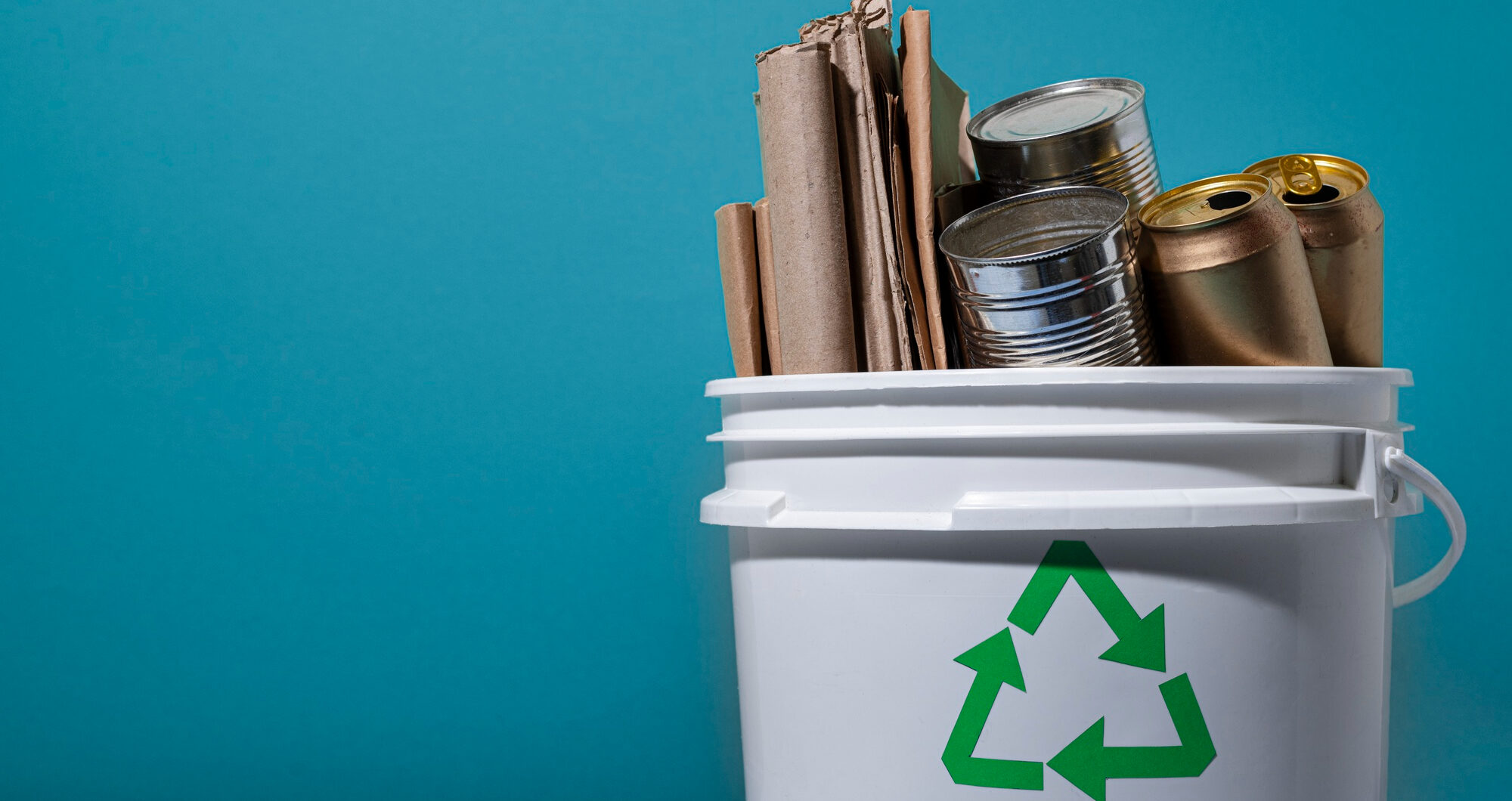
Waste disposal in the UK is governed by strict environmental regulations, with increasing emphasis on recycling and responsible treatment. Licensed skip hire operators are required to sort waste appropriately, ensuring that recyclable materials are diverted from landfill wherever possible.
For residents and businesses in Essex, using regulated waste services reduces the risk of improper disposal and associated penalties. It also supports broader environmental goals by encouraging the recovery and reuse of materials such as concrete, timber, metals, and green waste.
Applications Across Domestic and Commercial Projects
Skip hire is used in a wide range of scenarios throughout Essex, including:
- Home renovations and refurbishments
- Garden clearances and landscaping projects
- House clearances and property refurbishments
- Construction and demolition work
- Commercial and industrial premises clear-outs
Different projects generate different waste volumes, which is why skips are available in varying sizes, from small domestic units to larger containers designed for construction and industrial use.
Choosing an Appropriate Waste Solution
The suitability of skip hire depends on the scale and nature of a project. Smaller jobs may only require limited capacity, while larger developments benefit from higher-volume solutions that reduce the need for frequent collections. For particularly large-scale projects, roll-on roll-off containers are often used to manage substantial quantities of waste efficiently.
Selecting the correct waste solution can improve site organisation, reduce delays, and support compliance with local regulations.
Waste Services in the Essex Area
Essex is served by a number of licensed waste management providers offering skip hire as part of broader waste-handling operations. These services support both private and commercial clients and play an important role in maintaining cleanliness and environmental standards across the county.
For readers seeking general information about skip hire options available locally, some resources outline the types of skips commonly used and the situations they are designed to support.
A Practical Approach to Modern Waste Management
As building activity and home improvement projects continue across Essex, efficient waste management remains a key consideration. Skip hire offers a structured and compliant way to manage waste, particularly when volumes exceed standard household disposal limits.
By keeping waste contained, reducing unnecessary transport, and supporting recycling processes, skip hire remains a practical solution for many projects—large and small—across the region.