
MARRS LLC’s Complete Guide to Safe Computer Disposal: From Start to Finish
In today’s fast-paced digital world, upgrading to the latest computer models has become the norm, but what happens to your old devices once they’re no longer in use? Improperly disposing of computers can lead to serious environmental harm, data breaches, and compliance issues. That’s why MARRS LLC, a leader in sustainable electronics recycling and data destruction services, has created this Complete Guide to Safe Computer Disposal: From Start to Finish to help businesses and individuals responsibly manage outdated devices while protecting both the planet and their data. Learn more at https://www.marrsit.com.
1. Why Safe Computer Disposal Matters
Computers contain valuable resources such as copper, gold, and aluminium, but they also contain hazardous substances like lead, mercury, and cadmium. If not handled properly, these toxins can leach into the soil and groundwater, causing long-term environmental damage.
Additionally, even a “wiped” hard drive can still hold sensitive personal or business information that cybercriminals could recover. Secure disposal ensures both environmental responsibility and complete data protection.
Step 1: Back Up and Transfer Your Data
Before beginning the disposal process, make sure to back up all essential data. Use external hard drives, secure cloud storage, or network transfers to retain essential files, emails, and documents.
Step 2: Perform Secure Data Destruction
Deleting files or formatting a drive isn’t enough. Professional data destruction ensures your private information is completely unrecoverable. Most companies utilise industry-standard methods like:
- DoD 5220.22-M overwriting (multiple-pass data wiping)
- Cryptographic erasure for encrypted drives
- Physical destruction, such as shredding or crushing hard drives
Certified destruction guarantees compliance with privacy regulations like HIPAA, GLBA, and GDPR.
Step 3: Identify Components for Recycling and Reuse
Many computer parts can be recycled or repurposed, including:
- Motherboards and processors (for metal recovery)
- RAM and storage drives (if functional)
- Plastic and aluminium casing
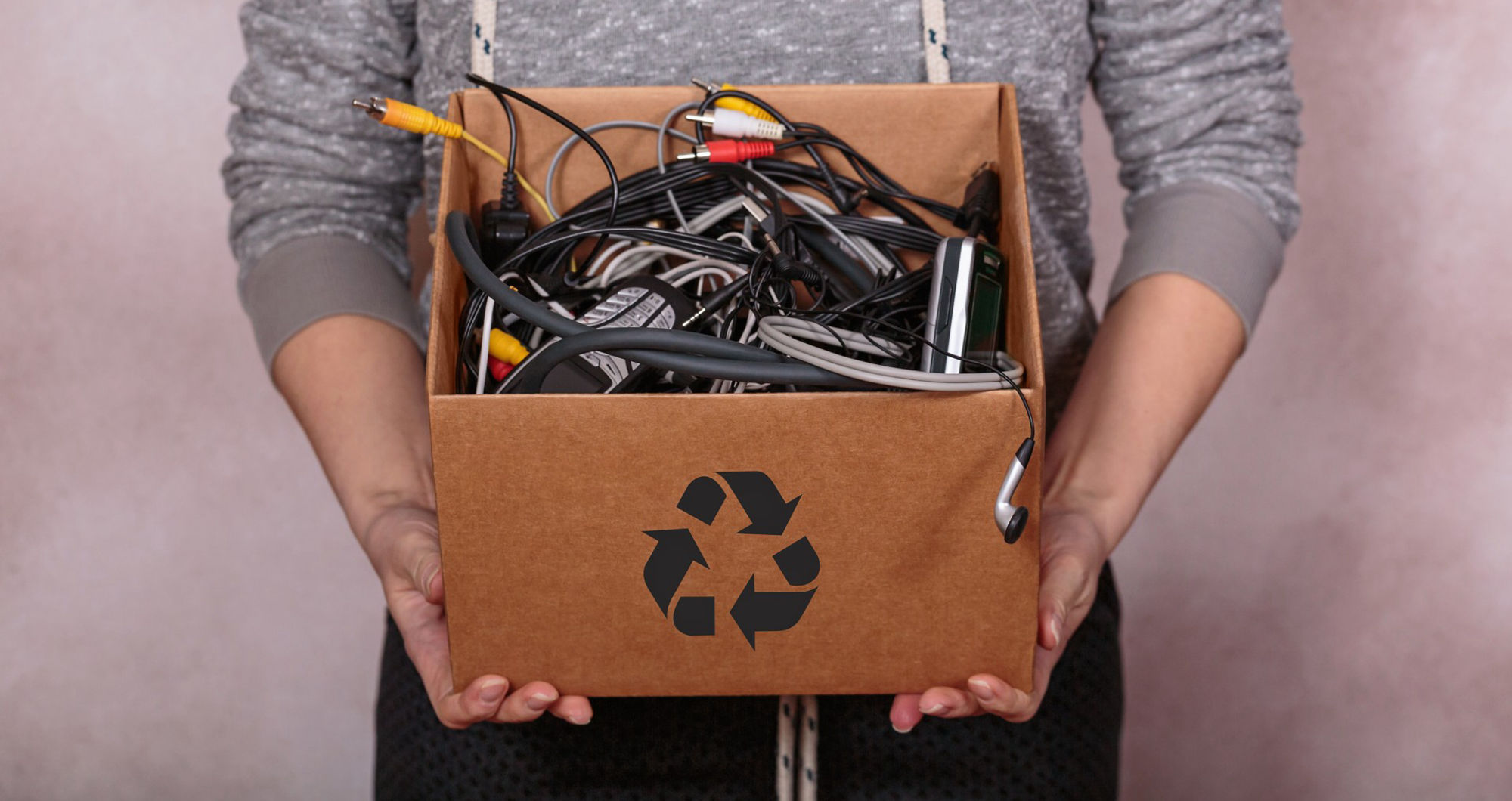
- Monitors and cables
Step 4: Partner with a Certified E-Waste Recycler
Choosing a certified recycling provider is key to ensuring compliance and environmental safety. Most companies are fully certified and compliant with R2 (Responsible Recycling) and EPA standards, offering clients peace of mind that all materials are processed ethically and sustainably.
This includes maintaining detailed chain-of-custody documentation, ensuring accountability at every stage from pickup to final recycling.
Step 5: Request Certificates of Data Destruction and Recycling
After completing the disposal process, always request proof of service. Many companies provide Certificates of Data Destruction and Recycling Reports that document exactly how and when your computers were processed. This is crucial for corporate compliance and sustainability reporting.
Step 6: Consider IT Asset Remarketing
Not all retired computers are destined for the recycling bin. Many companies offer asset remarketing services, helping clients recoup value from working equipment through secure refurbishment and resale programs. This approach not only reduces electronic waste but also supports a circular economy model.
Safe computer disposal isn’t just a best practice; it’s often a legal requirement. Regulations such as the Resource Conservation and Recovery Act (RCRA) and state-specific e-waste laws dictate how electronics should be handled.
As Mathew Self of MARRS LLC explains, “Safe computer disposal isn’t just about getting rid of old hardware, it’s about protecting your information, our environment, and your company’s integrity.”
Why Choose Computer Disposal
Marrs Recycling stands out for its commitment to security, sustainability, and transparency. With years of expertise in electronic recycling, data destruction, and IT asset management, the company offers:
- On-site and off-site data destruction options
- Secure logistics and chain-of-custody tracking
- Eco-friendly recycling and repurposing solutions
- Complete documentation for audit and compliance purposes
Safe computer disposal is no longer optional; it’s a crucial part of responsible technology management.