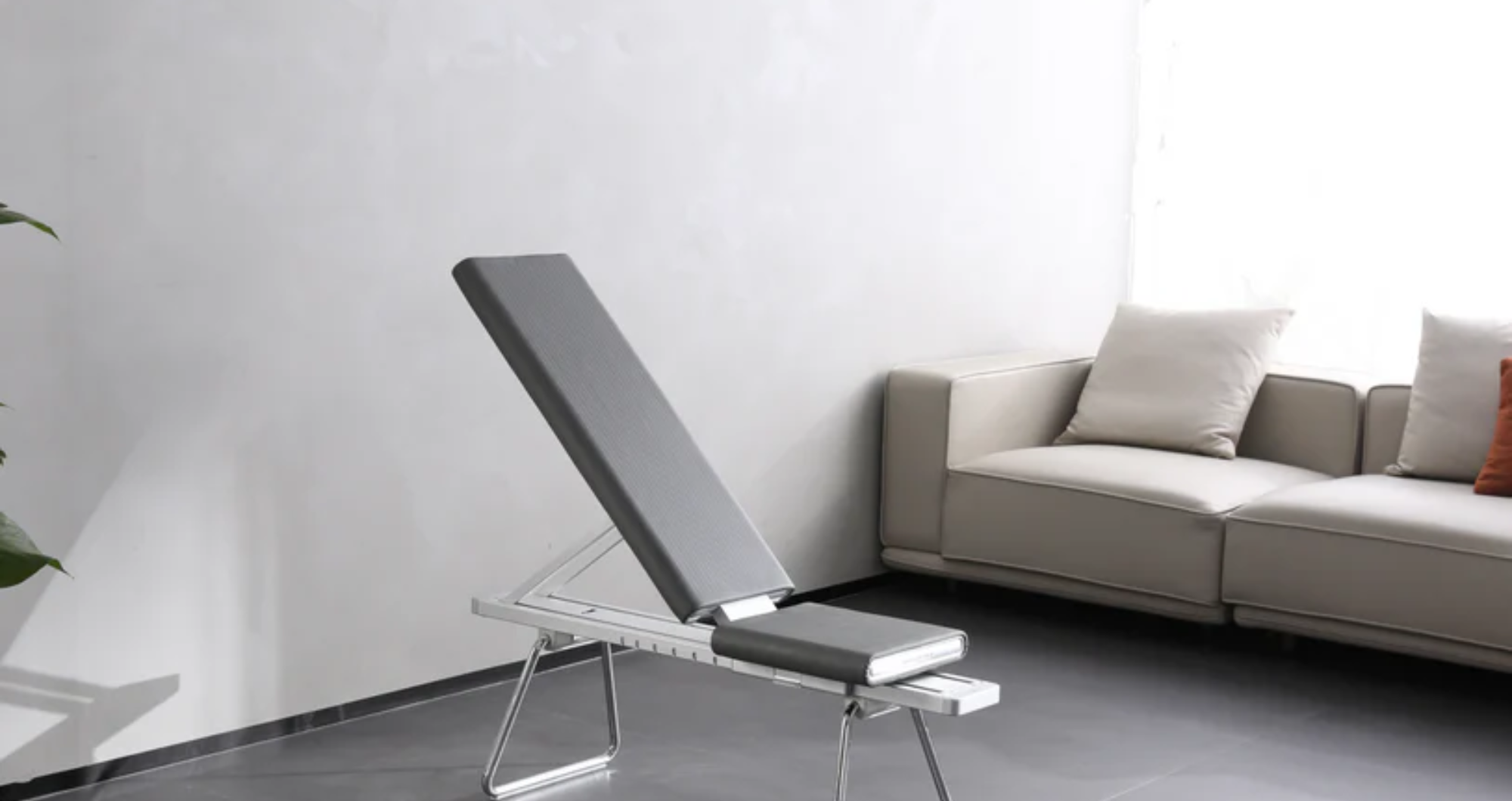

You’ve dreamed about it — rolling out of bed and straight into a workout without battling traffic, gym fees, or crowded equipment. But then reality hits: your master bedroom barely has room for a nightstand, let alone a squat rack. Sound familiar? For millions of people, the desire to build a home gym collides directly with the reality of limited living space, and the bedroom often becomes the reluctant battleground between comfort and fitness goals.
The real challenge isn’t just square footage — it’s finding equipment that pulls double duty without turning your personal sanctuary into a cluttered storage unit. Nobody wants to fall asleep staring at a treadmill or trip over dumbbells on the way to the bathroom. Aesthetics matter as much as function when your gym shares space with your bedroom.
That’s where the multi-angle bench changes everything. This single, compact piece of adjustable home workout equipment adapts to dozens of exercises, folds away when not in use, and looks intentional rather than intrusive in a bedroom setting. Throughout this article, we’ll explore how a compact adjustable bench can transform your master bedroom into a fully functional home gym — without sacrificing the space, style, or sleep you need.
The Space-Smart Fitness Revolution: Why Your Master Bedroom is the New Home Gym
Something fundamental has shifted in how people think about fitness. The traditional model — drive to a gym, wait for equipment, drive home — is losing ground to a simpler idea: work out where you already are. Home fitness has exploded in popularity, and the master bedroom has quietly become the most practical room for it. It’s private, it’s always accessible, and for most people, it’s where the day begins and ends — making it the natural anchor point for a fitness habit.
But integrating a home gym into a master bedroom isn’t without friction. The biggest obstacle isn’t motivation; it’s space. Most bedrooms are designed around a bed, a dresser, and maybe a chair. Introducing fitness equipment into that equation risks creating a cluttered, chaotic room that undermines both rest and workout quality. A barbell rack in the corner or a bulky cable machine against the wall doesn’t just consume square footage — it changes the entire feeling of the room.
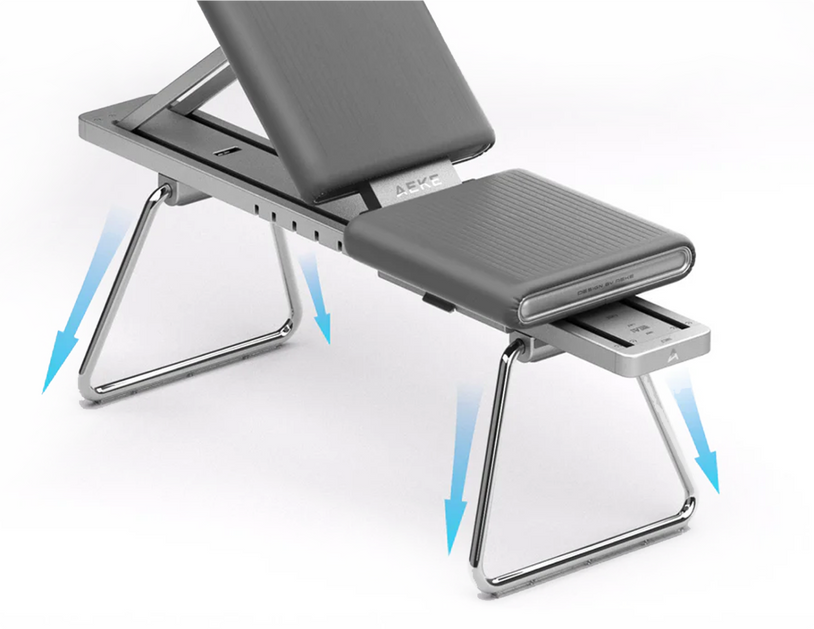
Multi-functionality is the answer. The most effective bedroom home gyms don’t try to replicate a commercial gym — they use compact, adaptable equipment that earns its floor space by serving multiple purposes. This approach demands a different kind of thinking: instead of asking “how much equipment can I fit,” the smarter question is “which single piece of equipment delivers the most value per square foot?” That shift in perspective is what makes a home gym in master bedroom not just possible, but genuinely practical for everyday use.
Compact equipment designed specifically for home environments addresses all three core challenges: it fits within existing room layouts, stores discreetly when not in use, and handles a wide enough range of exercises to replace multiple dedicated machines.
Why a Multi-Angle Bench is the Ultimate Home Workout Equipment
Walk into any commercial gym and you’ll find an entire room dedicated to what a single multi-angle bench can replicate at home. That’s not an exaggeration — it’s the core value proposition of this one piece of equipment. A compact adjustable bench doesn’t just save space; it fundamentally changes what’s possible in a small room by consolidating the function of multiple machines into a footprint smaller than a coffee table.
The versatility here is real and measurable. Strength training, core conditioning, stretching, and even low-impact cardio moves all become accessible when you have a bench that adjusts to meet the exercise rather than forcing you to adapt around fixed equipment. For home users who can’t justify an entire room — let alone multiple machines — this adaptability is the difference between a functional fitness space and an expensive storage problem.\
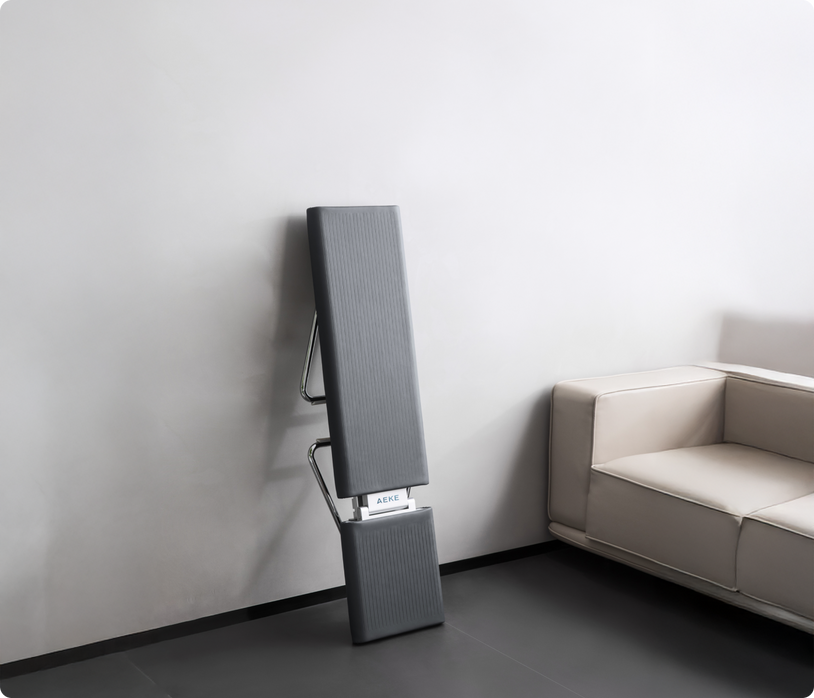
A lightweight foldable bench also solves the permanence problem. Traditional gym equipment demands a commitment: once it’s in the room, it stays there. A foldable bench gives you the option to reclaim your bedroom entirely when the workout is done, sliding flat under a bed frame or standing upright in a closet corner in seconds. Brands like AEKE have built their adjustable bench designs specifically around this challenge, prioritising slim folded profiles that disappear into bedroom storage without a second thought.
Adjustable Features for Maximum Workout Variety
The angle range is where a multi-angle bench earns its name. A flat position handles classic dumbbell chest presses and tricep dips. Incline positions — typically ranging from 30 to 75 degrees — shift emphasis to upper chest and shoulders, enabling incline presses, seated overhead presses, and incline curls. Decline settings engage lower chest and core. Beyond pressing movements, the adjustable backrest supports step-ups, Bulgarian split squats, and supported rows when paired with resistance bands. Each angle unlocks a distinct movement pattern, meaning one bench genuinely replaces the need for a preacher curl station, an incline press machine, and a flat bench simultaneously.
Design That Blends In: Aesthetic and Functional Integration
A bench that looks out of place in a bedroom defeats the purpose of keeping your sanctuary comfortable. Modern compact adjustable benches address this directly — clean lines, neutral upholstery colours, and slim profiles that read as furniture rather than gym equipment when folded. Lightweight materials like aircraft-grade aluminum frames keep the bench easy to reposition without scratching floors, while high-density foam padding maintains a finished, intentional appearance. When folded vertically, many models resemble a narrow panel that leans naturally against a wall. This design philosophy treats the bedroom environment as a constraint worth designing around, not an afterthought — which is exactly what home users need when fitness equipment and living space share the same square footage.
Choosing Your Ideal Compact Adjustable Bench: A Buyer’s Guide
Not all adjustable benches are created equal, and the wrong choice can mean a bulky piece of equipment that dominates your bedroom or a flimsy frame that wobbles mid-set. Before purchasing, focus on four criteria that separate genuinely useful home workout equipment from disappointing impulse buys.
Start with footprint and storage dimensions. Measure your available floor space and compare it against the bench’s deployed and folded sizes — both matter equally. A bench that folds to under 10 inches wide can slide vertically into a closet corner or horizontally under most bed frames, effectively disappearing between workouts. Next, check weight capacity. A lightweight foldable bench doesn’t have to sacrifice structural integrity; look for models rated to support at least 600 pounds, which accommodates both the user’s body weight and any added load from dumbbells during pressing movements.
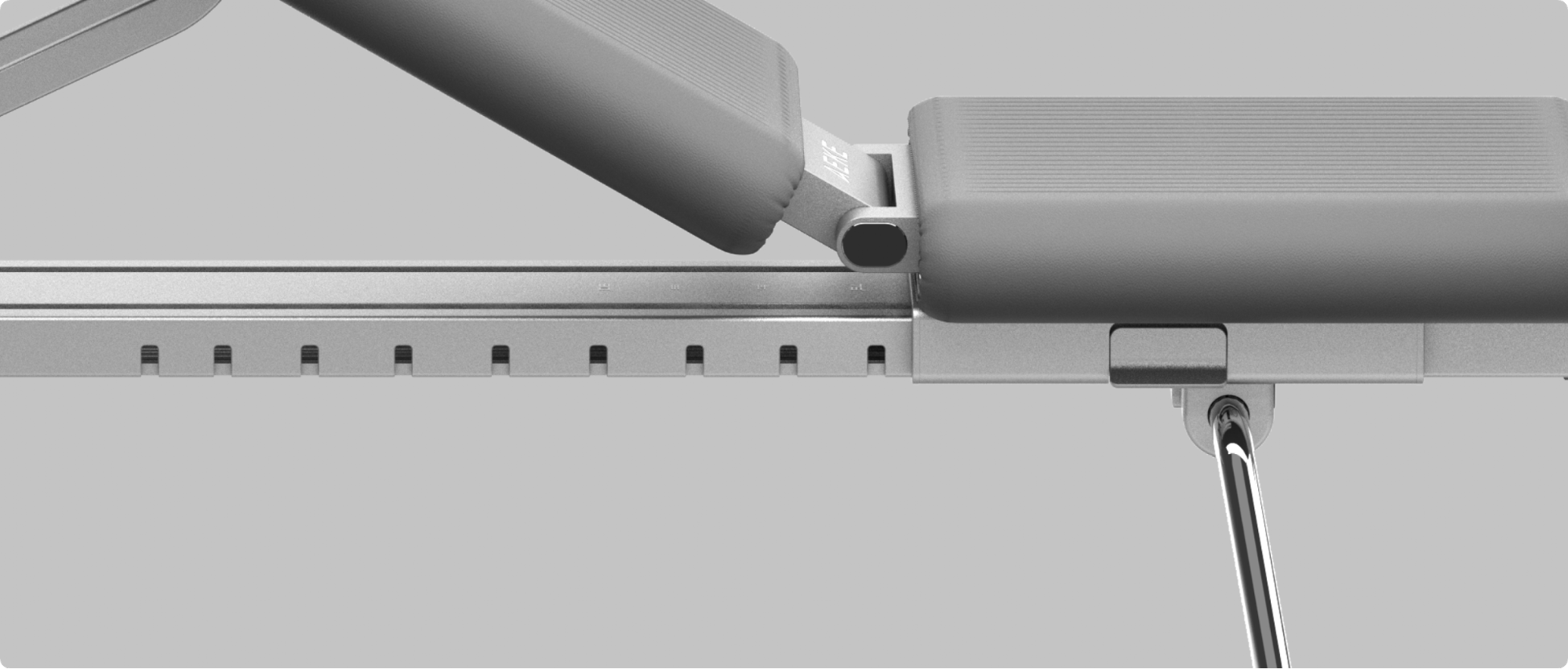
Angle range and adjustment mechanism deserve careful attention. The most versatile benches offer at least five distinct backrest positions spanning flat through 85 degrees, with a separate leg adjustment for decline work. Equally important is how quickly those adjustments happen — a pin-and-ladder system allows single-handed changes in seconds, while bolt-based systems require tools and interrupt workout flow entirely. For bedroom use, fast adjustability means you spend less time fiddling and more time training.
Finally, evaluate the following before committing to a purchase:
- Frame material: Steel frames offer durability; aluminium keeps weight manageable for repositioning
- Padding density: High-density foam prevents compression over time and maintains support during heavy lifts
- Floor protection: Rubber feet prevent sliding and protect hardwood or tile surfaces
- User reviews: Prioritise feedback that specifically mentions home use and long-term durability over gym settings
Safety certifications from recognised testing organisations confirm that the bench meets load-bearing standards — a non-negotiable for equipment used without a spotter in a private space.
Setting Up Your Multi-Angle Bench in the Master Bedroom: A Step-by-Step Solution
Getting the bench into your bedroom is the easy part. Getting it to work seamlessly within your daily life takes a bit more thought — but the payoff is a fitness setup that feels natural rather than forced. Start by mapping your room before the bench arrives. Identify the largest open wall and measure the floor space in front of it. You need roughly six feet of clearance in front of the bench for exercises like step-ups and decline crunches, but that same space can double as a walking path when the bench is folded and stored.
Position matters for more than just space. Placing the bench near a window gives you natural light during morning workouts, which research consistently links to better mood and sustained energy. Avoid positioning directly beside the bed — even a small visual and physical boundary between sleep space and workout space helps your brain compartmentalise the two activities, improving both workout focus and sleep quality.
Optimising Layout and Storage for Daily Use
The fold-and-store routine should take under thirty seconds — if it takes longer, you’ll skip it, and the bench will become permanent furniture. Practice folding the bench immediately after purchase until the motion is automatic. For under-bed storage, measure your bed frame clearance first; most platform beds offer eight to twelve inches of vertical space, which accommodates most folded benches laid horizontally. Alternatively, standing the bench vertically in a closet corner keeps it completely out of sight. Add a small hook to the closet wall to hang resistance bands alongside it, creating a compact fitness station that closes behind a door. Rubber feet are non-negotiable — they prevent the bench from sliding on hardwood during lateral movements and eliminate floor scratches entirely.
Sample Workout Routines Using Adjustable Angles
A three-day weekly routine covers the full body without requiring anything beyond the bench and a pair of dumbbells. On day one, set the backrest to 45 degrees for incline dumbbell presses, then drop flat for tricep dips using the seat edge, finishing with seated overhead presses at 85 degrees. Day two shifts to lower body: use the flat bench for Bulgarian split squats with the rear foot elevated, then incline the backrest to 30 degrees for supported single-arm rows with a resistance band anchored under the front leg. Day three targets core and recovery — decline the bench for leg raises, use the flat position for hip bridges with feet elevated, and finish with a supported thoracic stretch over the inclined backrest. Each session runs twenty to thirty minutes, requires no additional floor space beyond the bench footprint, and leaves the room ready to restore in under a minute.
Turning Your Bedroom Into a Smarter Fitness Space
The master bedroom doesn’t have to choose between being a restful retreat and a functional fitness space. A multi-angle bench resolves that tension directly — it delivers the workout variety of a fully equipped gym, folds away in seconds, and integrates into a bedroom environment without the visual noise of traditional gym equipment. That combination of versatility, adjustability, and thoughtful design is what makes it the smartest single investment for home fitness in limited square footage.
The benefits compound over time. A bench that adjusts from flat to decline to near-vertical eliminates the need for multiple machines, saving both money and floor space. Lightweight, foldable construction means the room stays yours — a place for sleep and recovery, not just iron and sweat. And with the right placement, storage routine, and workout plan, the transition between bedroom and gym becomes effortless enough to actually stick with.
The next step is straightforward: measure your available space, identify the bench that meets your weight capacity and angle range requirements, and commit to a setup that works with your room rather than against it. Your fitness goals and your bedroom comfort don’t have to compete — the right equipment makes both possible in the same four walls.