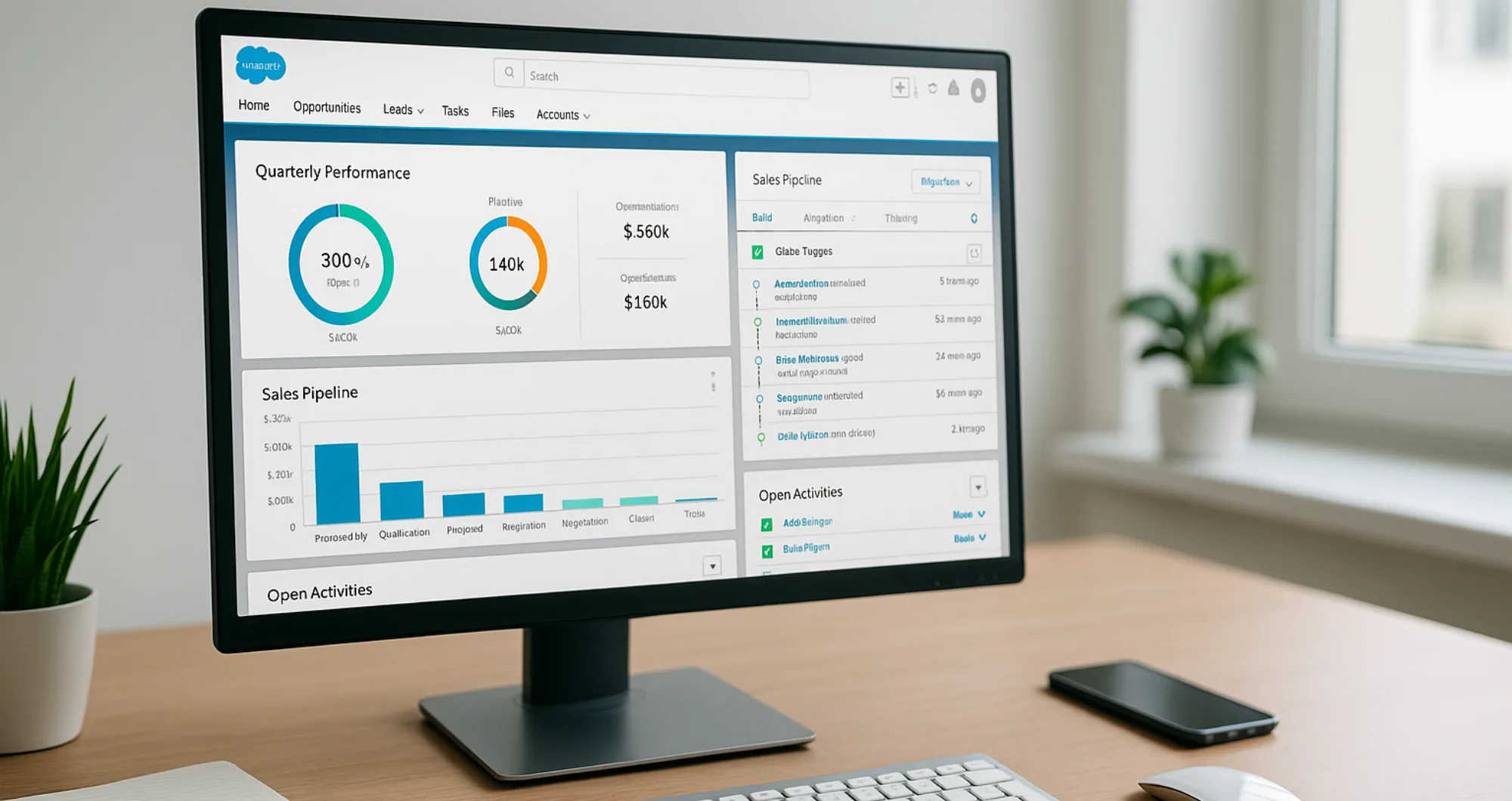

This guest post helps companies understand how working with the right Salesforce Development Partner increases commercial value. It covers integration, automation, and custom workflows, combining business impact with technical detail. This guide targets decision-makers looking to boost their ROI from Salesforce investments.
Choosing a Salesforce Development Partner is a major step for companies aiming to unlock the full potential of their CRM investment. The right partner delivers commercial value through deep technical expertise, practical support, and clear strategic alignment. Businesses that approach Salesforce with a well-planned strategy and proper support can see a significant boost in productivity, customer satisfaction, and overall ROI.
Why your choice of salesforce development partner matters
Selecting a Salesforce Development Partner is not just about technical skills. The right partner acts as an advisor, architect, and problem solver. They offer guidance tailored to your company’s unique needs.
Key considerations when selecting a partner:
- Industry experience: Partners who understand your industry can recommend best practices and foresee potential challenges.
- Proven track record: Check for client references, case studies, and project outcomes.
- End-to-end services: From planning to support, a full-service partner ensures seamless implementation.
- Transparent communication: Clear, ongoing communication keeps projects on track and builds trust.
- Flexible engagement models: Different companies need different levels of support, from one-time projects to ongoing partnerships.
Commercial value: How the right partner impacts your bottom line
A Salesforce Development Partner who understands your business objectives offers several distinct advantages. First, they help reduce implementation risks. By taking time to understand your processes and carefully planning each phase, you minimise errors that could cause costly setbacks. This proactive approach ensures smoother deployment and fewer surprises along the way. Moreover, the right partner accelerates your time to value. They bring technical expertise and proven methods to set up your Salesforce solutions quickly. As a result, your team can start using new tools sooner, which means your business benefits from Salesforce’s features without long delays.
Scalability is another key benefit. A skilled partner designs systems that adapt as your company grows. They build flexible architectures and workflows, so your Salesforce environment can handle increased users, data, and changing business needs without major overhauls. Increased productivity is also a major outcome. By automating routine tasks and creating streamlined workflows, your staff spends less time on manual work. This shift allows employees to focus on more valuable activities while also reducing the risk of human error.
Core services from a salesforce development partner
The best partners offer a wide range of Salesforce services, including:
- Custom development: Customise Salesforce features to fit your business requirements.
- Integration: Connect Salesforce to ERP, accounting, or other software for unified data.
- Automation: Build workflows to automate repetitive tasks and approvals.
- Migration: Safely transfer data from old systems to Salesforce.
- Salesforce implementation support: Ongoing help for upgrades, troubleshooting, and user training.
- Appexchange solutions: Select and configure third-party tools for extra functionality.
The power of integration: Making salesforce work with your tech stack
For companies to get real commercial value, Salesforce must connect smoothly with other business systems. Integration unlocks unified data and seamless processes.
Popular salesforce integration scenarios:
- ERP integration: Sync orders, inventory, and financial data.
- Marketing automation: Connect with platforms like Marketo or HubSpot for targeted campaigns.
- E-commerce platforms: Enable real-time customer and sales data sharing.
- Customer service tools: Consolidate customer queries and feedback for better service.
Technical highlights:
- APIs and middleware: Most integrations use Salesforce APIs or third-party middleware like MuleSoft.
- Data mapping: Clean, mapped data prevents errors and ensures smooth automation.
- Security & compliance: Proper authentication and permissions protect sensitive data.
Automation for efficiency: Streamlining work with salesforce
Automation is a major driver of ROI. The right salesforce development partner will analyse your business processes and automate repetitive or error-prone tasks.
Key automation use cases:
- Lead assignment: Automatically assign leads based on rules or territory.
- Email triggers: Send follow-ups or notifications without manual input.
- Approval workflows: Route documents or requests to the right people.
- Data updates: Keep records current with scheduled batch jobs.
Benefits:
- Saves time: Staff can focus on higher-value work.
- Reduces errors: Automated steps remove manual mistakes.
- Enforces consistency: Processes run the same way every time.
Technical details:
- Process builder & flow: Salesforce tools for creating multi-step automations.
- Apex triggers: Code-based automation for complex needs.
- Third-party automation: Integrate with platforms like Zapier for extra options.
Custom workflows: Adapting salesforce to your business
Every company operates differently. Out-of-the-box solutions often miss key requirements. Custom workflows let businesses create processes that fit their needs exactly.
How a salesforce development partner helps:
- Process analysis: Study how your team works to spot areas for improvement.
- Workflow design: Create step-by-step processes that match your operations.
- Custom objects & fields: Add unique data fields that standard Salesforce setups lack.
- Visualforce & lightning components: Build user interfaces that simplify complex tasks.
Example custom workflows:
- Onboarding new clients: Guide staff through every step, from signing contracts to setting up accounts.
- Case management: Automate ticket routing, escalation, and resolution for support teams.
- Order fulfilment: Link sales, inventory, and shipping for smooth processing.
Ensuring ongoing success: Salesforce implementation support
After the initial launch, companies require more than quick technical fixes to maintain success with Salesforce. Ongoing salesforce implementation support becomes essential for long-term value. This support starts with system monitoring. Regular system checks help identify and resolve potential issues before they impact daily operations. This kind of monitoring ensures that the system remains stable and reliable over time. User training is another vital aspect. As Salesforce introduces new features or updates, staff may need guidance to use the platform efficiently. Continuous training helps team members stay productive, reduces mistakes, and boosts overall confidence in the system.
As businesses grow and change, new feature rollouts become necessary. Ongoing support includes help with adding and configuring new functionalities. This approach ensures your Salesforce environment keeps pace with your evolving requirements, whether that means integrating with new tools or automating additional processes. Performance optimisation is also part of ongoing support. Tuning the platform to improve speed and handle larger data volumes helps maintain peak system performance as your user base and data needs expand.
A proactive support plan is crucial for three main reasons. First, it reduces downtime by catching and fixing issues early. Second, it increases user adoption, since well-supported users are more likely to embrace the platform. Third, it ensures Salesforce continues to deliver measurable business value, supporting your company’s goals both now and in the future.
How to evaluate a salesforce development partner
When selecting your partner, use a structured evaluation process:
Checklist:
- Proven experience with similar businesses or industries
- Strong technical certifications and up-to-date knowledge
- Clear project management methods
- Transparent pricing and contract terms
- Commitment to ongoing support, not just initial setup
Interview questions:
- What is your process for understanding our business needs?
- How do you handle complex integrations?
- What level of post-launch support do you provide?
- Can you share examples of automation and workflow projects you’ve completed?
- How do you ensure data security and compliance?
Measuring ROI: Tracking success after salesforce implementation
To ensure your investment pays off, track these key ROI metrics:
- Time saved: How much manual work has been automated?
- Revenue growth: Are sales teams closing more deals?
- Customer satisfaction: Has response time or service quality improved?
- Adoption rates: Are users actively using new Salesforce features?
- Error reduction: Fewer mistakes in data or process handling?
Measurement tips:
- Set baseline numbers before implementation.
- Review reports regularly with your Salesforce Development Partner.
- Adjust workflows and automations based on results.
Conclusion
Partnering with the right Salesforce Development Partner can transform your business. By focusing on integration, automation, and custom workflows, companies achieve real commercial value and measurable ROI. Reliable Salesforce implementation support ensures continued growth and system performance. Careful partner selection, combined with clear ROI tracking, sets the foundation for long-term success.