Memes are no longer just for laughs. They’ve entered our pop culture with lightning speed, providing running commentary on everything, ranging from making fun of the everyday to addressing the most serious issues of our time, like the cost-of-living crisis.
Few need an explanation of what a meme is, but it can be loosely defined as an image or a video, usually edited with text, that’s widely shared online, often with small variation on the original. It’s hard to pinpoint exactly when memes went from occupying a small niche to developing into a thriving multimillion-pound industry and growing fast.
At FunCorp, an international entertainment tech company founded in 2004, we were fortunate to be at the forefront of the memes revolution and to continue growing and changing together with this exciting sector. Fast-forward to 2022, and even the larger brands have come to recognise the power of memes as a fun yet compelling way of reaching consumers, including the much-coveted Gen Z demographic.
Luxury global brands, like Gucci, American food delivery companies, including Seamless, and fast-food chains like Chipotle are just a handful of well-known brands that have used the meme format to promote themselves and their products. Here in the UK, companies including online retailer Very UK and confectionary giant M&M’s UK just to name a few, have also tapped into the power of social media by including memes in their marketing arsenal.
In a nutshell, meme marketing involves creating humorous photos, GIFs, or videos that are relevant and appropriate for your brand and can find a way into your audience’s hearts and wallets by making them laugh. On the surface, it sounds quite simple.
The most effective meme marketing campaigns have leveraged both humour and relatability while delivering their message in a clear and catchy way. This type of low-key, social media-based marketing is more of an art than a science, however, as it requires a lot of creativity and a great deal of sensitivity to boot.
Needless to say this is easier said than done, given that getting the tone right can be a struggle. A few years ago, McDonald’s was called out for trying too hard to appear hip and fun – efforts that inevitably had the opposite effect. And they were not alone.
There is no one-size-fits-all formula for producing a meme campaign that works. When it comes to using memes to promote a product or a brand, a cookie-cutter approach simply won’t do. What’s more, different cultural norms also play an important role and must be weighed carefully in the case of multinational corporations, selling their products and services across different geographies.
In addition, our experience tells us that different user segments favour different social platforms, so taking a shortcut and publishing the same meme across all social media channels won’t be effective. So, before jumping headfirst into the memes game, it might be a good idea to familiarise yourself with memes culture if it’s new to you.
There are numerous communities on Reddit and websites and apps specifically dedicated to memes, like iFunny or 9GAG, that make it easy to dive into the weird and wonderful world of memes head first. Having a creative professional on your communications or marketing team, who can lend a hand, is also always helpful. Memes production doesn’t have to be complicated nor does it require professional design skills, as rapidly-changing technology is making generating memes simpler every day. It’s a low-budget game – one that has proven to be a great way of reaching large audiences when all the moving parts come together.
Some 54% of gen-Z users, 41% of Millennials, and 21% of the gen-Xers look for new memes every day, according to Global Web Index’s data. This means that potentially, any popular memes have the power to engage and increase brand awareness and brand recall for smaller businesses. More well-known names, they can elevate brand relatability and encourage organic sharing of marketing messages.
Subtlety and nuance are important, though. The reality is that not every brand is well-suited to memes and the lighthearted and often self-deprecating approach they require. It is also good to remember that once a meme is on social media, it is largely out of your control. When things go viral, they can take a life of its own, morphing into something different with every edit. Not every business is comfortable with this possibility.
So, memes marketing is not for everyone. But if it’s right for your brand image and values, it is quickly becoming a powerful and often inexpensive way to further your reach, increase your brand awareness and engage with your customers.
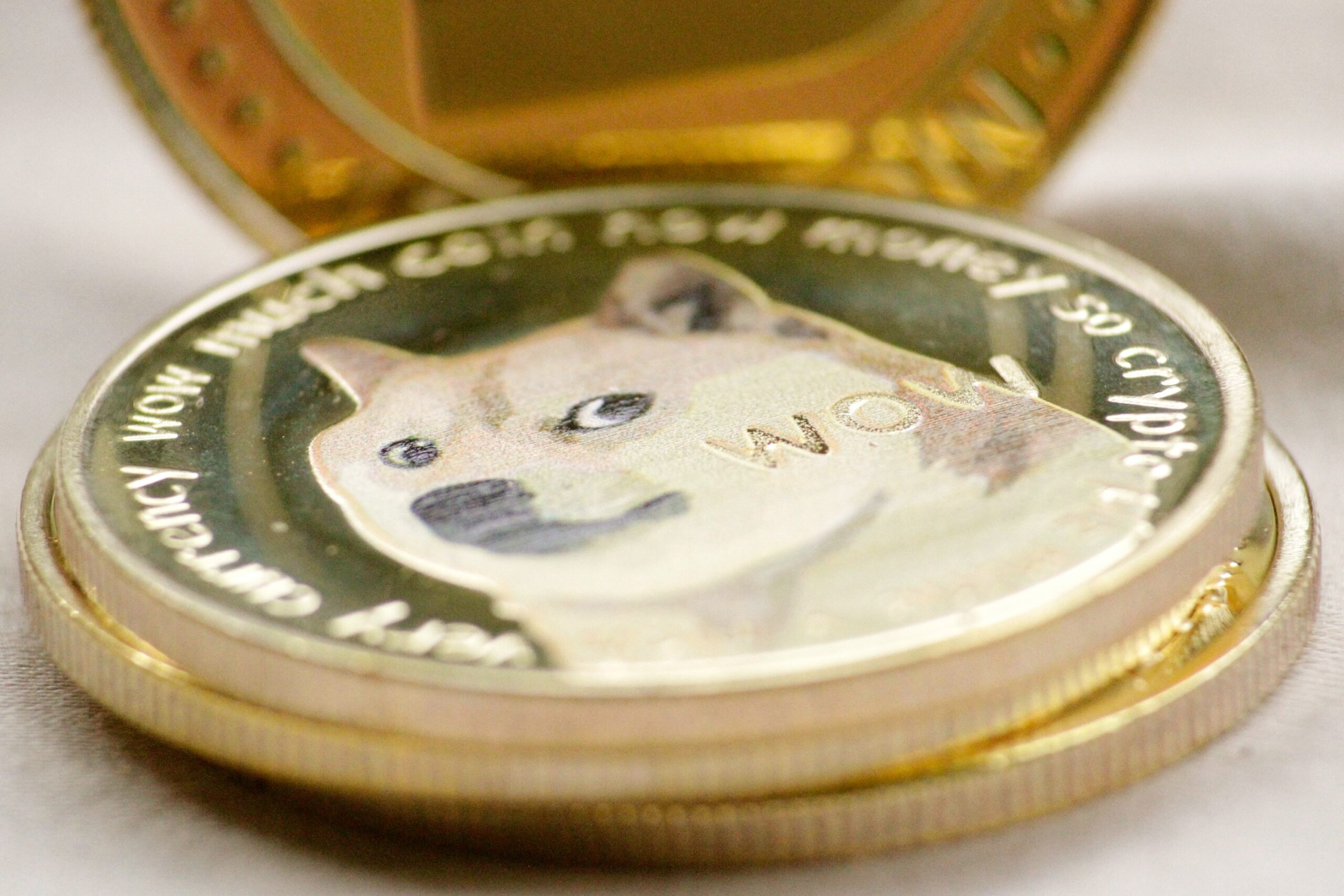
Featured Photo by Crystal Mapes on Unsplash