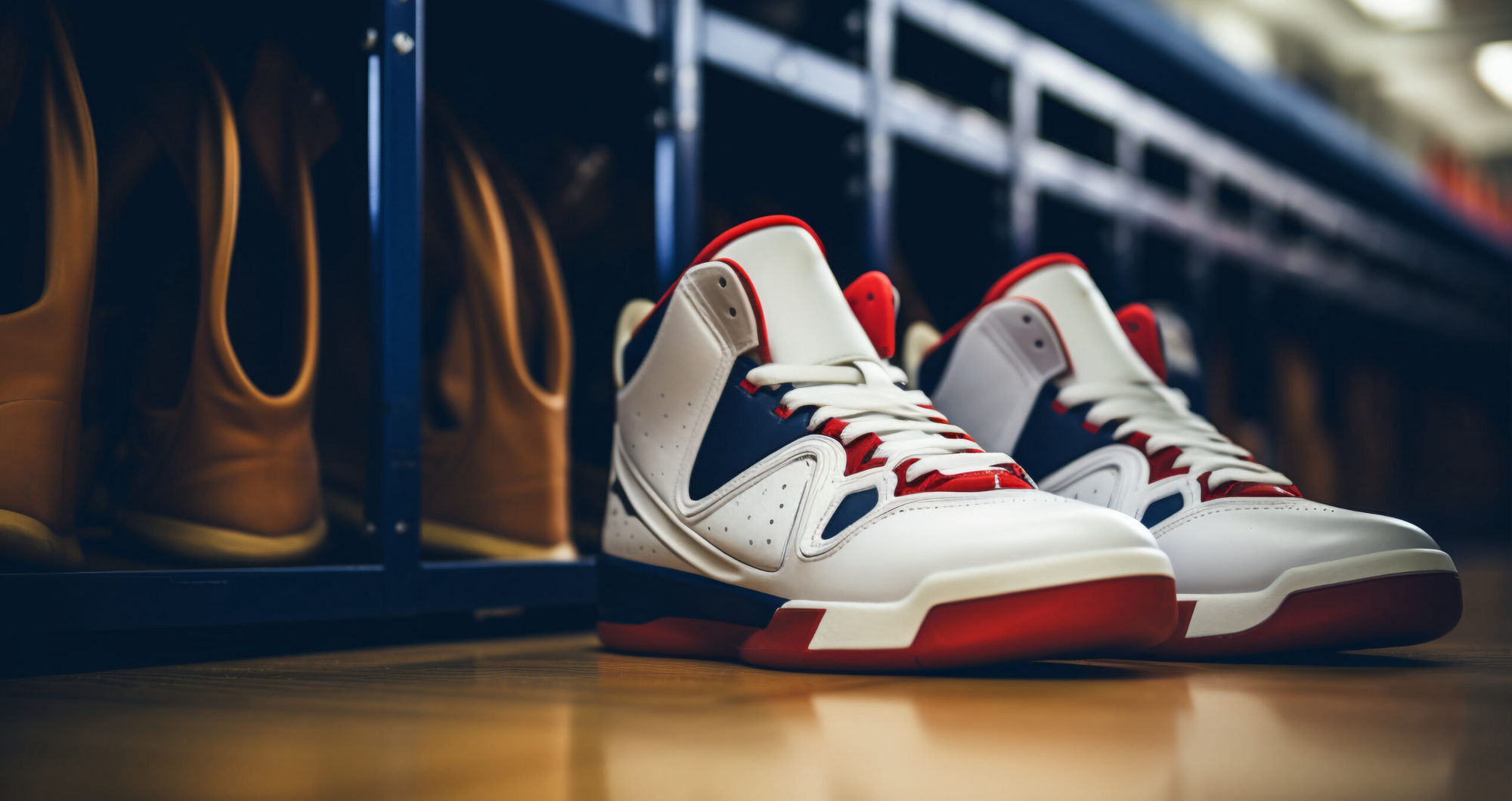

Footwear has always been a crucial part of human life, but in the last decade, the industry has undergone a technological revolution that has changed the way we walk, run, train, and even recover. This shift is driven by advancements in materials science, biomechanics, electronics, and manufacturing. Today’s shoes are not simply accessories; they are performance-enhancing tools designed to reduce injury, improve efficiency, and promote comfort across a wide range of activities.
We spoke with Levante Shoes for Men, experts in shoe technology, and they clued us in on the latest trends in shoe innovation. From carbon-fibre running plates to AI-powered gait monitoring, modern shoe technology is merging engineering with fashion in ways never seen before. Below, we explore the most impactful innovations shaping the future of footwear.
The Rise of Smart Footwear
Smart technology has found its way into nearly every consumer product category—so it’s no surprise that shoes have followed suit. Smart footwear integrates sensors, microchips, and wireless connectivity to track motion, measure gait, and provide real-time performance analytics.
Smart Insoles and Biometric Tracking
One of the most significant advancements has been the development of smart insoles. These enhanced inserts contain pressure sensors and accelerometers that can measure metrics such as:
- Foot pressure distribution
- Step count and cadence
- Heel-to-toe transition patterns
- Balance and stability metrics
Athletes can use this data to refine their form, reduce injury risk, and boost performance. For elderly users or people with mobility issues, smart insoles can detect unusual gait patterns or potential fall risks and alert caregivers.
GPS-Enabled and Self-Lacing Shoes
Some modern shoes now include GPS tracking, allowing users to map routes without carrying a smartphone. Meanwhile, self-lacing shoes—once a sci-fi dream—are now commercially available. They use electronic motors and tension sensors to automatically adjust fit based on foot shape and movement. This technology enhances comfort, especially during long runs or dynamic sports where the foot tends to swell or shift.
Advanced Cushioning Systems
Cushioning has always been a defining feature of footwear, but modern materials and engineering have transformed what shoes can do. The goal is simple: maximise energy return while minimising impact.
Energy-Return Foams
Modern midsoles use proprietary foam blends that compress under pressure and rapidly expand to return energy. These foams tend to be:
- Light
- Durable
- Responsive
- Temperature-resistant
This means runners get more bounce with each step while reducing fatigue. Popular materials include EVA blends, TPU foams, and nitrogen-infused compounds.
Air, Gel, and Visible Cushioning Units
Air and gel cushioning aren’t new, but their sophistication has increased dramatically. Engineers now create segmented units that respond differently to pressure zones of the foot, improving stability and comfort. Some models even incorporate cushioning visible through the outsole, enhancing both aesthetics and functionality.
Carbon-Fiber Plates
Carbon-fibre plates have become a defining feature in elite running shoes. Sandwiched between foam layers, these plates:
- Provide stiffness
- Improve toe-off propulsion
- Reduce energy loss
This innovation has led to record-breaking marathon times and has sparked debates about technology’s role in competitive sports. Regardless, carbon plates remain one of the most significant breakthroughs in athletic footwear.
Sustainable Materials and Eco-Friendly Manufacturing
As consumers become more environmentally conscious, the footwear industry has responded by integrating sustainable materials and greener manufacturing processes.
Recycled and Bio-Based Materials
Brands now use recycled plastics, plant-based fibres, and biodegradable components in shoe construction. Some examples include:
- Uppers made from recycled ocean plastics
- Midsoles derived from sugarcane EVA
- Natural rubber outsoles
- Hemp, bamboo, or cork components
These materials reduce environmental impact without sacrificing comfort or performance.
Water- and Chemical-Reduction Techniques
Dyeing textiles traditionally requires large amounts of water and harsh chemicals. Modern techniques such as dope-dyeing or waterless dyeing significantly reduce waste and pollution. Manufacturers are also minimising adhesives and incorporating stitching or modular components that make shoes easier to repair or recycle.
Circular Footwear Systems
A major development in sustainability is the introduction of circularity programs. Some companies now allow customers to return used shoes for recycling into new products. This helps reduce landfill waste and moves the industry toward a closed-loop manufacturing model.
Customisation Through 3D Printing
3D printing is transforming footwear design and manufacturing by allowing precise customisation and rapid prototyping.
3D-Printed Midsoles
These midsoles are engineered with lattice structures optimised for both cushioning and stability. Unlike traditional foam, 3D-printed midsoles can be tuned in localised zones for:
- Softer landings
- Firmer propulsion
- Improved lateral support
This makes them ideal for athletes with specific biomechanical needs.
Personalised Fit
Some companies offer 3D scans of a customer’s foot to create custom insoles or entire shoes shaped to their exact measurements. This drastically improves fit and reduces common issues such as blisters, instability, and arch discomfort.
Performance and Injury-Prevention Innovations
Modern shoe technology is not just about comfort and efficiency—it’s also about protecting the body.
Stability and Motion-Control Features
Overpronation and supination are common contributors to injury. Modern motion-control shoes use:
- Dynamic support systems
- Guide rails
- Multi-density foam arrangements
- Stabilising heel counters
These features help keep the foot aligned during movement, reducing stress on joints and tendons.
Shock Absorption and Load Management
With advanced cushioning materials, shoes can now significantly absorb impact forces that would otherwise stress the knees and lower back. Combined with carbon plates and geometry-based designs, modern shoes promote smoother transitions and more efficient strides.
Temperature and Moisture Control
Foot discomfort is often caused by heat buildup or moisture. Modern innovations include:
- Breathable engineered mesh
- Moisture-wicking liners
- Antimicrobial treatments
- Perforated ventilation zones
These features keep feet cooler, drier, and healthier during long or intense activity.
The Future of Shoe Technology
Looking ahead, we can expect even deeper integration of digital features, AI-driven personalisation, and advanced materials. Some emerging trends include:
- Shoes that adjust cushioning in real time based on terrain or speed
- AI-powered gait prediction for injury prevention
- Fully biodegradable shoes
- Robotics-assisted manufacturing for precision and consistency
As technology continues to evolve, footwear will become even more adaptive, smart, and sustainable.
FAQ
1. What is the most important new technology in modern athletic shoes?
While many innovations are impactful, carbon-fibre plates and advanced energy-return foams have arguably had the biggest influence on running performance by improving propulsion and reducing fatigue.
2. Are smart shoes worth buying?
Smart shoes can be beneficial for runners, athletes, or individuals needing gait monitoring. They offer data-driven insights that can improve technique and reduce injury risk. However, casual users may not need the advanced features.
3. Are sustainable shoes as durable as traditional ones?
Yes—modern sustainable materials, such as recycled plastics and plant-based foams, are engineered for durability. Many eco-friendly shoes match or exceed the performance of traditional designs.
4. Will 3D-printed shoes become mainstream?
As 3D-printing technology becomes more affordable, customised midsoles and upper components will likely become more common. This technology allows precise tuning for individual biomechanics.
5. How do I choose the right shoe technology for my needs?
Consider your activity type, foot mechanics, and comfort preferences. Runners may benefit from carbon plates and energy-return foams, while walkers might prefer enhanced cushioning and stability features. Smart shoes are ideal for data-driven training or mobility monitoring.
Key takeaways
- Innovation in materials, cushioning, and smart technology is transforming footwear performance, comfort, and data-tracking capabilities.
- Sustainability is now a major focus, with recycled materials, eco-friendly manufacturing, and circular systems gaining widespread adoption.
- Customisation through 3D printing and advanced biomechanics is allowing shoes to be more personalised, injury-preventive, and performance-enhancing than ever before.