
Visitors to two major East London hospitals are preparing for a revision in car parking charges following an announcement by the Barking, Havering and Redbridge University Hospitals NHS Trust. The trust, which manages Queen’s Hospital in Romford and King George Hospital in Goodmayes, confirmed that a new pricing structure will take effect from Monday, September 21, 2026. While the update includes a general increase in fees, officials have also introduced a new free parking window to assist those making short visits to the sites.
This adjustment represents the first time the trust has changed its parking tariffs since 2024. The decision follows significant investment in facility infrastructure and safety, particularly at the Queen’s Hospital multi-storey car park. According to the published outcome, the revenue generated from these charges is essential for the continued maintenance and security of the hospital grounds. The trust stated that the new rates are aligned with charges implemented by local authorities for nearby parking and those set by other NHS trusts across the region.
Breakdown of the New Parking Charges and Free Period
Under the new tariff schedule, motorists will see incremental increases for several parking durations. For stays of up to one hour, the fee will rise from £1.60 to £1.80. A more substantial increase has been set for mid-length stays, with visitors parking for between three and six hours seeing costs rise from £6.00 to £7.50. Despite these adjustments, the trust confirmed that the maximum daily rate for stays exceeding 12 hours will remain frozen at £18.00, providing cost certainty for those required to stay on-site for extended periods.
A significant addition to the parking policy is the introduction of a new 30-minute free parking period. This grace period will be implemented across both the Romford and Goodmayes sites to facilitate quick activities that do not require an extended stay. Officials said the free window is specifically aimed at individuals performing quick patient drop-offs, collecting prescriptions from hospital pharmacies, or making deliveries to wards. While some earlier reports suggested a shorter 15-minute slot, the trust confirmed that a full 30-minute period will be available to all motorists entering the sites.
Infrastructure Investment and Site Security
The trust justified the fee increase by highlighting safety and infrastructure improvements recently carried out at the facilities. At Queen’s Hospital, the multi-storey car park has undergone upgrades aimed at improving the environment for patients and staff. These enhancements include upgraded lighting systems for better visibility during evening hours, additional designated walkways to separate pedestrians from vehicles, and anti-slip stair coatings to reduce accident risks. The published outcome states that revenue from parking fees directly contributes to these ongoing site maintenance and security efforts.
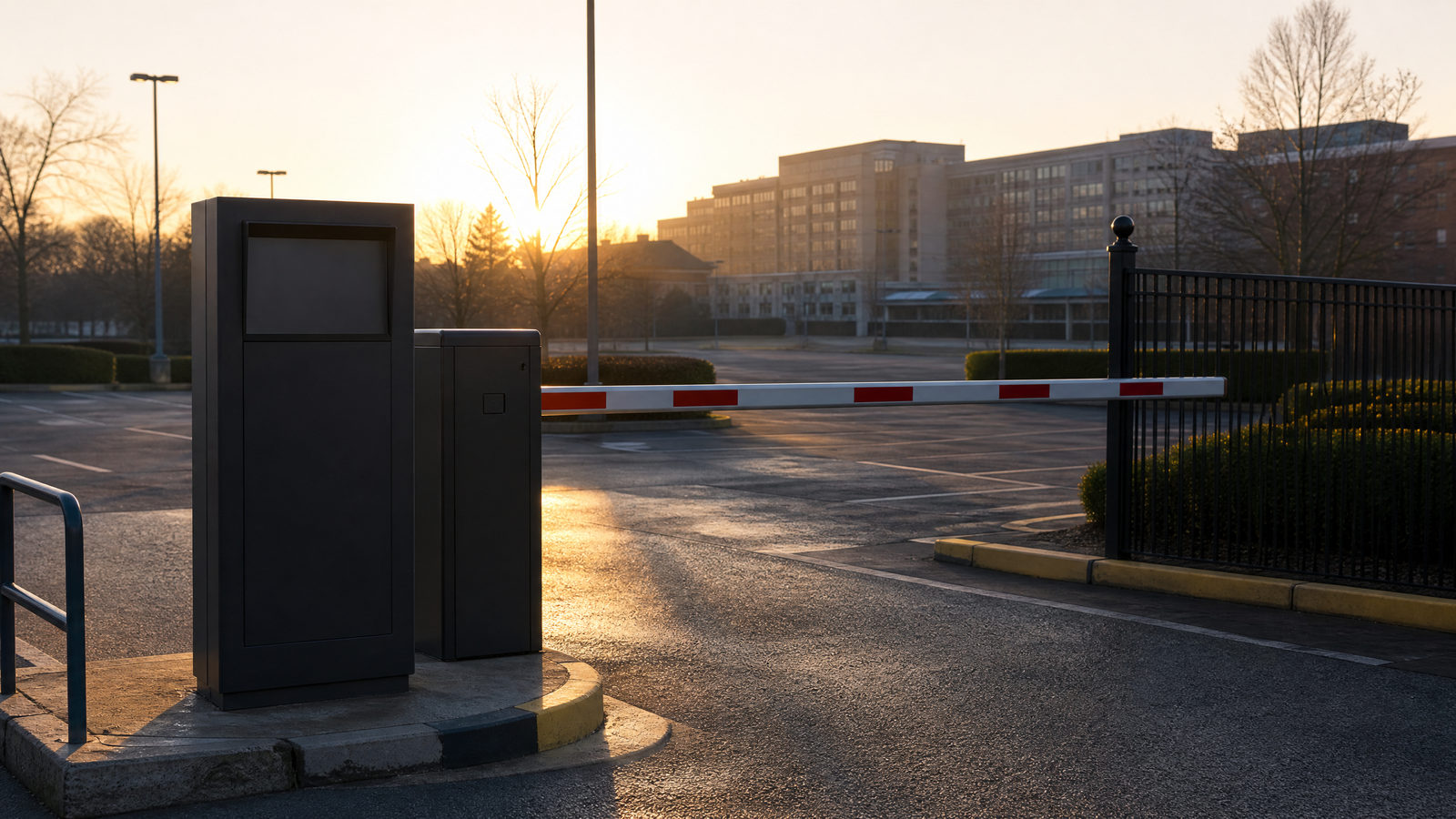
To ensure the new rules are followed and to streamline payments, the hospitals utilise updated automatic number plate recognition systems. This technology, combined with modern payment kiosks, allows for efficient monitoring of vehicle movements and ensures motorists are charged accurately. The trust maintains that these systems are vital for managing the high volume of traffic, ensuring parking remains available for those who need it most.
Protection of Concessions for Vulnerable Groups
The trust emphasised that existing concessions for specific groups will be strictly maintained. These concessions remain governed by established trust policy and are designed to protect those most reliant on hospital services. Free parking will continue to be provided for Blue Badge holders, ensuring that visitors with disabilities have accessible options.
Furthermore, the trust will continue to offer free parking to patients receiving long-term treatments, such as chemotherapy or radiotherapy. Relatives of patients in end-of-life care are also eligible for free parking. The authority said these exemptions are a core part of their commitment to patient welfare and that eligibility criteria have not changed. However, for non-exempt outpatients and frequent visitors, the increased charges are expected to have a noticeable financial impact. The changes represent a balanced approach to managing healthcare infrastructure costs while introducing the 30-minute free period to mitigate the impact for those making the briefest visits.