

Winter wellbeing advice often looks the same every year. Go for a walk. Drink more water. Get some sunlight. While those suggestions help, they rarely address the emotional, energetic and nervous system challenges many people face as the days grow darker. Therefore, instead of repeating the usual checklist, we asked seven wellbeing practitioners to share deeper, unexpected, science and soul-led practices that genuinely help people move through winter feeling more regulated, connected and supported.
These are not your usual winter wellbeing tips.
They go further.
1. Laughter as a Nervous System Reset
Why laughter matters more in winter
Award-nominated comedian and wellbeing advocate Ishi Khan believes winter needs more joy, not more pressure. “People often forget that laughter is a release valve for the body. In the colder months, we hold more tension, and laughter dissolves it instantly,” she explains.
How laughter shifts your mood
Because laughter softens emotional heaviness, she encourages people to intentionally add moments of silliness or comedy into their day. Furthermore, even brief laughing episodes reduce stress hormones.
A simple way to try it
“Even 30 seconds of real laughter can shift your whole mood. Joy isn’t frivolous. It’s medicine.”
2. Build Emotional Wealth with Tiny Acts of Kindness
Why kindness boosts wellbeing
Scientist and author of The Joy of Giving a F*ck, Dr David Hamilton, says winter is emotionally demanding because our inner reserves are lower. However, he believes the solution is surprisingly simple.
“One small act of kindness a day can change your internal chemistry. It boosts serotonin and strengthens your immune system.”
What emotional wealth means
Instead of pushing productivity, he recommends using winter to deepen connection and compassion, both of which support resilience. As a result, your overall emotional stability improves.

“One small act of kindness a day can change your internal chemistry.” Says Dr Hamilton
3. Restore Flow Through the Spine
Expert: Mandeep Kaur, Founder of Spinal Flow with Mandeep
Why winter affects the nervous system
Spinal Flow practitioner Mandeep Kaur explains that winter amplifies stored emotional and physical tension. “With the cold and the pressure of the festive season, people often feel more overwhelmed.”
How Spinal Flow helps
Spinal Flow provides a safe space to reconnect and release blockages stored chemically, physically or emotionally. Consequently, the nervous system becomes calmer and more balanced.
Try this grounding technique
Place one hand on your heart and one on your solar plexus, then breathe deeply into the lower abdomen before releasing slowly. “Reconnect with your body. It’s incredibly intelligent and wants to heal.”
4. Honour the Feminine Winter Rhythm
Expert: Tuesday, Founder of YoniSteam
Why women feel depleted in winter
Feminine wellbeing practitioner Tuesday explains that winter is a naturally yin season. Therefore, women often need rest, warmth and inner reflection. She notes that modern life disrupts these rhythms.
How yoni steaming supports winter wellbeing
“A yoni steam ritual connects us to our womb space and feminine wisdom,” she says. Using herbs like mugwort or rose brings calm, warmth and emotional steadiness.
A simple winter tip
“Prioritise warmth in your clothing, your food and your living space. Warmth sustains energy, boosts immunity and allows deeper rest.”
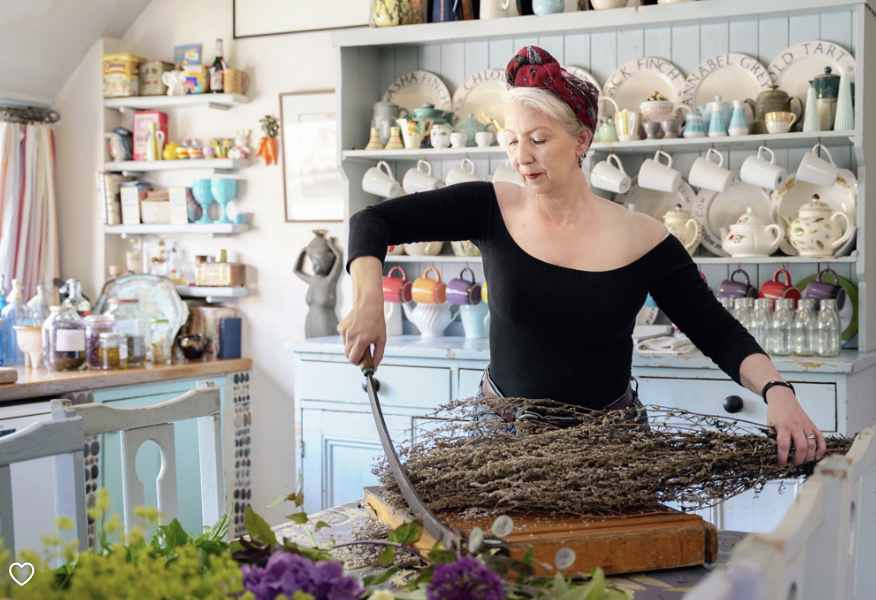
Tuesday shared “By January, many women are already depleted”
5. Support Your ECS to Balance Winter Mood
Expert: Vicky Borman, CBD Angel UK
Why the ECS matters in winter
CBD specialist Vicky Borman highlights the often-overlooked endocannabinoid system (ECS). “It regulates mood, stress and overall well-being,” she explains. During winter, when emotional lows are more common, nourishing this system becomes essential.
How CBD and movement help
CBD can support ECS function. Additionally, outdoor walking stimulates endorphins and natural mood-balancing chemicals.
Her combined approach
“So combine CBD, outdoor light and gentle activity to support your ECS through the season.”
6. Use Evidence-Based Practices to Calm the Mind
Expert: Angela Bird & Debbie Walton, Mindful Growth Solutions
Why mental health dips in winter
Mental health practitioners Angela Bird and Debbie Walton say winter can amplify intrusive thoughts and overwhelm. However, evidence-based tools can soften these patterns.
Boost motivation with social accountability
“Choose an accountability buddy,” they suggest. Moreover, this strengthens connections and reduces isolation.
Challenge the Winter Narrator (CBT)
Writing down Thought | Evidence For | Evidence Against helps rebalance thinking. Consequently, intrusive thoughts lose their power.
Soothe stress with Havening Techniques®
“Having used a gentle touch to generate calming delta waves. Rub your palms together or stroke from your shoulders to your elbows while imagining a peaceful place. It helps regulate stress and builds resilience.”
7. Use Music as a Mood-Changing Tool
Expert: Mark Deeks, Musician, Author and Wellbeing Coach
Why music is an emotional regulator
Mark Deeks says most people underestimate how powerful music is. In fact, it is one of the quickest ways to change your emotional state.
He recommends creating intentional playlists:
“When I feel mood X and want to feel mood Y, here is the music that helps me shift.”
Reconnect through musical memories
Mark describes music as “the ultimate connector of people.” Therefore, winter is the perfect time to share songs tied to meaningful memories.
Don’t be afraid to be a beginner
He also encourages adults to pick up an instrument. “You feel the benefits immediately,” he explains.
One of his clients played piano for ten minutes each night and noticed she slept better within a week. “Better sleep supports your mental health, your relationships and your whole wellbeing.”

Mark describes music as “the ultimate connector of people.”
A Different Approach to Winter Wellness
None of these experts suggested forcing productivity or pushing through exhaustion. Instead, they emphasise:
• nervous system support
• emotional warmth
• connection
• grounding rituals
• feminine rhythms
• evidence-based mental health tools
• creative expression
Ultimately, these insights recognise that winter isn’t a season to fix yourself. Rather, it’s a season to support yourself.