
Attacks across Ukraine in the two days before a 9 October Security Council briefing damaged homes, struck public transport and disrupted electricity and water in Kyiv, humanitarian officials said. With winter approaching, the briefing warned that repeated damage to essential infrastructure could make it harder for civilians to remain safely in their communities.
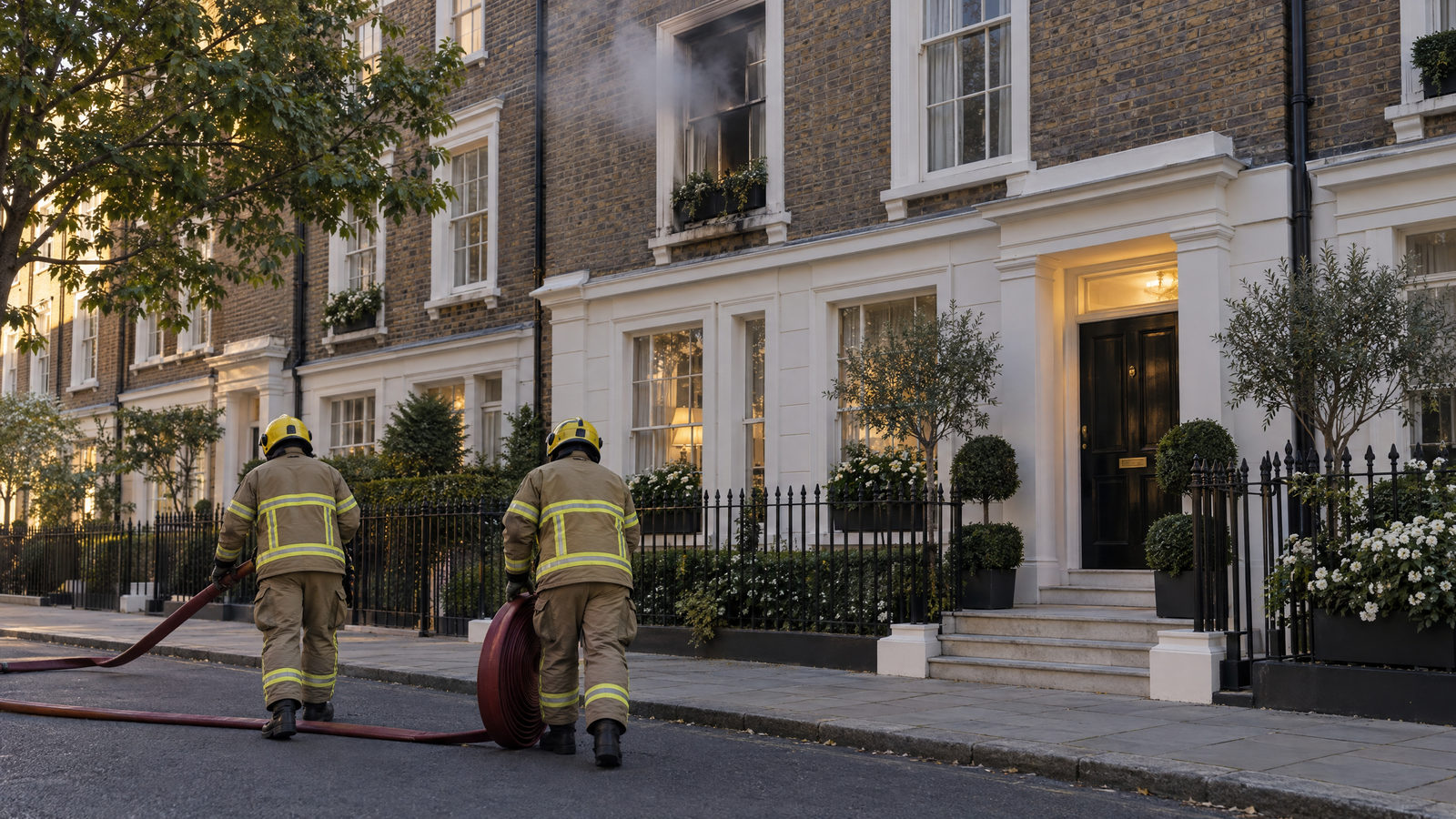
The address was delivered by Gemma Connell, director of the Crisis Response Division, on behalf of the UN’s humanitarian chief. She said residential areas, civilian infrastructure and public transport had been hit in several regions. In Pryluky, residential buildings were hit and families, including children, were killed; homes were damaged in Kyiv and Kremenchuk; and buses were hit in Kramatorsk, killing and injuring civilians. The statement described the incidents but did not establish responsibility for each individual attack.
Power, water and winter preparation
The briefing said attacks on energy infrastructure had brought scheduled and emergency power cuts back, including in Kyiv. Electricity, heating and water systems are interdependent: damage to power supplies can also affect pumping and other services people rely on. The account warned that, as temperatures fall, interruptions could have consequences beyond the immediate site of damage.
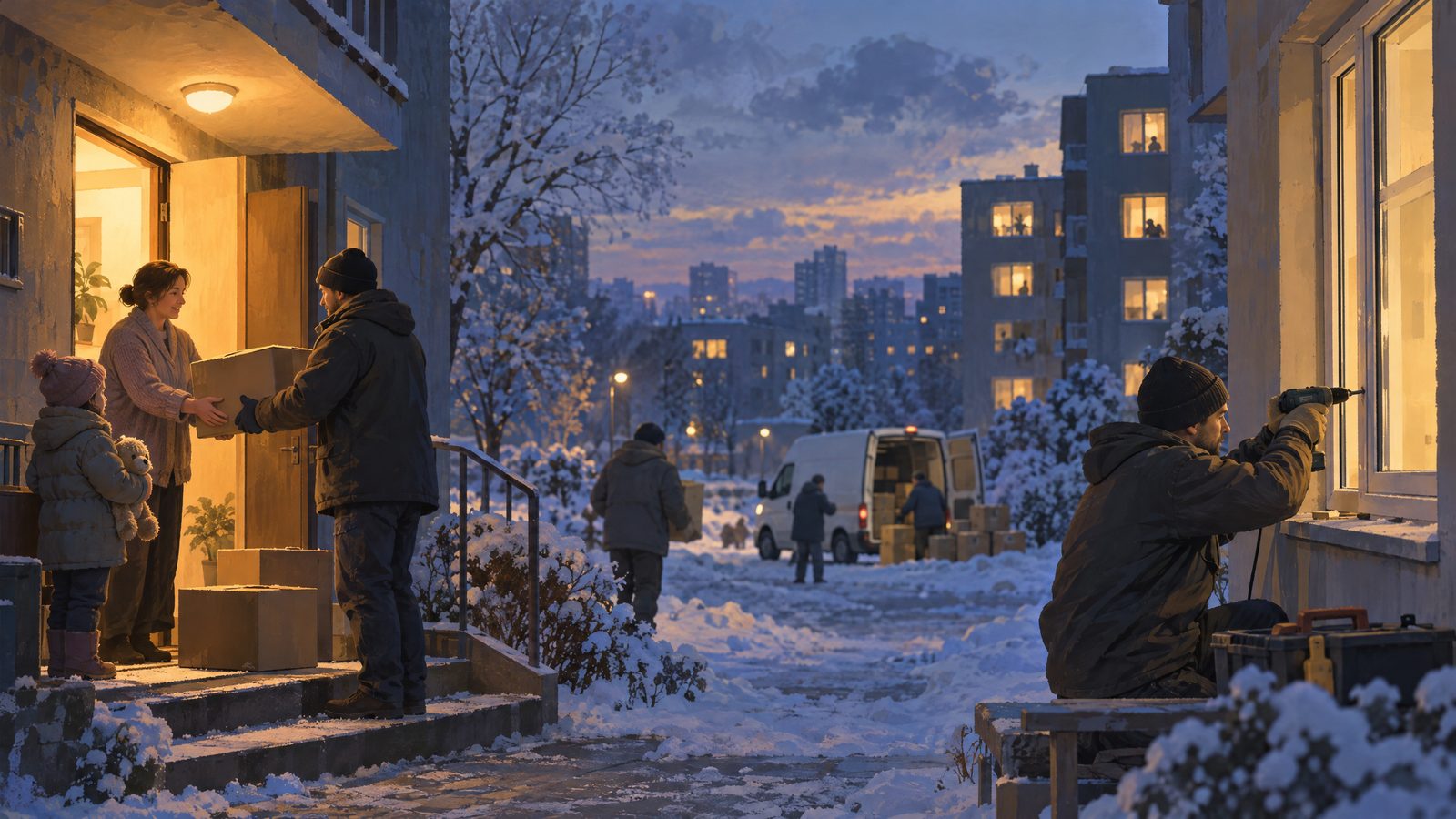
Local authorities and humanitarian partners were described as working to restore power and provide generators, repair materials, cash and emergency assistance. Repeated destruction, however, can undermine repairs before essential services are fully restored. The briefing argued that preparation must preserve services so people can stay safely where they are, while also enabling those who choose to leave to do so safely and voluntarily before conditions become critical.
The 2026–27 Winter Response Plan is intended to provide heating, shelter, food, healthcare, cash and other essential support. Its published target is more than 2.1 million people between October 2026 and March 2027, including nearly 430,000 displaced people and 1.7 million people who are not displaced. The funding requirement is US$358.4 million. The plan is a winter-focused part of the wider 2026 humanitarian response, rather than a replacement for year-round assistance.
Its planning approach covers front-line, hard-to-reach and rural communities while also addressing prolonged energy and service disruptions in urban centres. The briefing said money must arrive in time to pre-position supplies, repair homes and heating systems, and help communities withstand cold weather. Those aims are not evidence that the full sum has been raised or that every intended activity is already funded.
Access and protection remain unresolved
The speaker also described severe restrictions on movement and access to basic services in communities near front lines and in areas occupied by Russia. She said civilians faced insecurity, shortages of food and limited medical care, while mines, drones and ongoing hostilities made movement, evacuation and aid delivery dangerous. These were humanitarian assessments, not findings by a court about responsibility for specific incidents.
An inter-agency convoy had reached Beryslav in Kherson region the day before the briefing, delivering food, medicines and hygiene supplies to a community where more than 300 civilians were said to remain. The account presented this as an example of aid reaching a place with constrained access, while stressing that one delivery does not resolve wider access needs.
The briefing called on parties to protect civilians and civilian infrastructure, agree practical arrangements for impartial humanitarian aid and safe, voluntary evacuations, and protect humanitarian personnel. It said credible investigation and accountability were needed when incidents occur. The address also noted reports of civilian harm and infrastructure damage in Russia, and emphasised that the laws protecting civilians and civilian objects apply to all parties. The statement itself does not attribute each attack or determine whether a particular incident violated international law.
For communities facing another winter of war, the immediate test is whether repairs, supplies and humanitarian access can keep pace with further disruption. The plan sets out intended support and the resources it requires; sustained protection of civilian systems remains essential alongside that response.