
Injection moulding is an essential manufacturing process widely used in the production of plastic components across various industries, including automotive, electronics, medical devices, and consumer goods. As competition intensifies and product standards rise, manufacturers are seeking more refined methods to enhance efficiency, lower costs, and maintain exceptional quality.
Among the many factors that influence the injection moulding process, mould temperature plays a critical role. Mould temperature controller (MTCs), though sometimes overlooked, are vital in achieving consistent product quality, shorter cycle times, and overall process stability. This article explores how MTCs function, why they are indispensable, and how they can significantly elevate injection moulding performance.
Understanding Mould Temperature Controllers
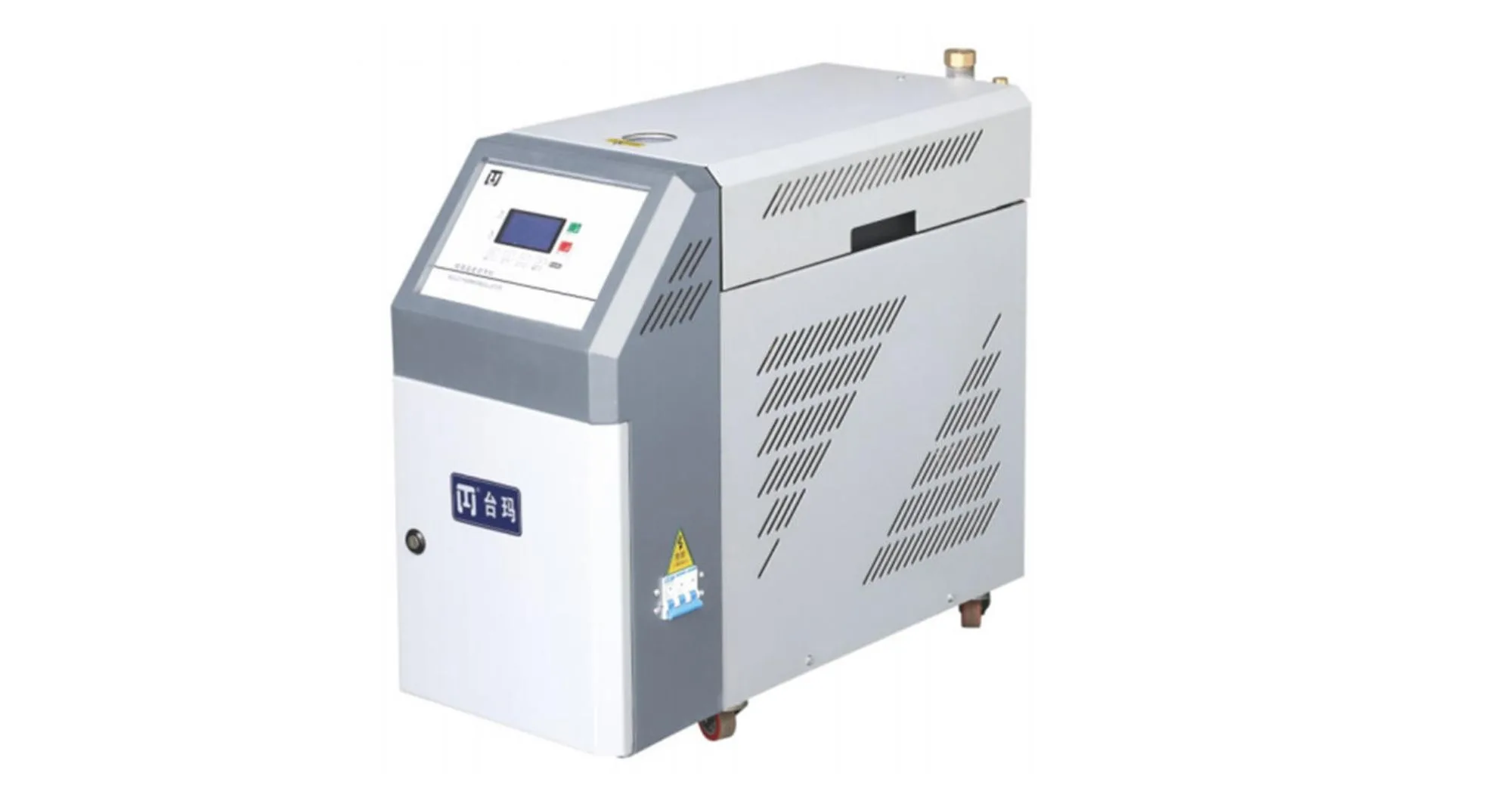
Mould temperature controllers are auxiliary devices used to maintain the mould at a desired temperature during the injection moulding process. They circulate a heat transfer medium—either water or oil—through the mould’s built-in cooling channels, adjusting temperature as needed through heating elements and cooling mechanisms.
Water-based controllers are typically used for lower temperature applications, offering rapid thermal response and high efficiency. Oil-based controllers, on the other hand, are chosen for high-temperature applications, delivering thermal stability for materials that require precise and sustained heat.
These controllers use sensors to monitor mould temperature in real time and adjust the heating or cooling process accordingly. By keeping mould temperature within a tightly controlled range, they create the ideal thermal environment for moulding plastics efficiently and accurately.
The Importance of Mould Temperature in Injection Moulding
Mould temperature directly influences product quality, production speed, and consistency. When the temperature is properly regulated, it enhances the dimensional accuracy of moulded parts by minimising warping, shrinkage, and internal stress. Products come out more uniform, which is especially important in high-precision industries.
A well-controlled mould temperature also improves the surface finish, reducing cosmetic defects such as flow marks, weld lines, or sink marks. This leads to better-looking products that often require less post-processing.
Moreover, maintaining a stable temperature throughout the moulding process ensures consistent mechanical properties, such as strength, stiffness, and impact resistance. When the polymer cools uniformly, its internal structure remains intact, resulting in more durable parts.
While higher mould temperatures can extend the cooling time and affect the cycle duration, excessively low temperatures may cause poor flow, incomplete filling, or brittle parts. MTCs enable manufacturers to find the right balance between quality and speed, adapting the temperature precisely to each material and product design.
How MTCs Improve Efficiency
Mould temperature controller contribute significantly to manufacturing efficiency by reducing waste, shortening cycle times, and improving operational stability. When temperature fluctuations are eliminated, the likelihood of defects drops substantially. As a result, manufacturers can reduce their scrap rate and save on material costs.
Temperature controllers also allow for faster start-up. Moulds reach the required temperature quickly and remain at a stable level, meaning fewer parts are wasted during the warm-up phase. This minimises machine downtime and improves production readiness.
Modern MTCs are often equipped with energy-efficient components and intelligent control systems. Features such as inverter-driven pumps and PID (Proportional–Integral–Derivative) control help maintain the desired temperature with minimal energy consumption.
Additionally, many temperature controllers can be integrated with central control systems or injection moulding machines, allowing for automation, real-time monitoring, and process traceability. This enhances process control and helps operators quickly respond to deviations.
Choosing the Right Mould Temperature Controller
Selecting the right temperature controller requires a clear understanding of your moulding application. The type of plastic material being moulded plays a key role. For instance, engineering plastics such as PEEK or polycarbonate require higher mould temperatures, which favour oil-based MTCs. For general-purpose plastics like PP or ABS, water-based systems are usually sufficient.
The mould design also matters. Complex moulds with multiple cavities or zones might need multi-circuit MTCs to ensure even temperature distribution. Similarly, if the part requires high precision or has a mirror finish, temperature stability and tight control are even more important.
Other factors include the heating and cooling capacity, maximum temperature range, flow rate, safety features, and compatibility with the injection moulding machine or control system. A well-matched MTC not only improves quality but also extends the lifespan of the mould and machinery.
Case Study: Efficiency Boost in Automotive Parts Moulding
An automotive components manufacturer faced frequent challenges with surface defects and dimensional inconsistencies in their moulded parts. After evaluating the root cause, they determined that temperature fluctuations during moulding were to blame.
The company upgraded its moulding line by integrating advanced mould temperature controllers featuring digital PID control and real-time monitoring. The results were immediate. Not only did the defect rate drop significantly, but the cycle time also decreased by nearly a third. The surface finish of the parts improved, leading to fewer rejections and less manual polishing.
This transformation illustrates how the right thermal control can lead to major improvements in productivity and profitability, especially in industries where precision and appearance are non-negotiable.
Best Practices for Using Mould Temperature Controllers
To get the most out of MTCs, manufacturers should follow a few practical guidelines. Regular calibration of temperature sensors is essential to maintaining accuracy. Cooling channels within the mould should be kept clean and free of scale or debris to ensure optimal heat exchange.
The quality of the circulating fluid also matters. Clean, deionized water or properly maintained thermal oil helps prevent corrosion, cavitation, and performance loss. Monitoring pressure and flow can further enhance stability and detect early signs of clogging or leaks.
Integrating temperature control units into a centralised monitoring system or using them alongside moulding machine controls can improve responsiveness, reduce human error, and provide actionable data for ongoing optimisation.
Mould temperature controllers are more than just support equipment
Mould temperature controllers are more than just support equipment—they are key enablers of consistent, high-quality, and cost-effective injection moulding. By precisely managing the thermal conditions within the mould, MTCs empower manufacturers to produce better products with fewer defects, faster cycles, and lower energy costs.
In a world where product reliability and efficiency determine competitiveness, investing in reliable mould temperature control technology is not just wise—it’s essential. For manufacturers aiming to stay ahead in the injection moulding industry, MTCs offer a powerful tool to enhance both performance and precision.