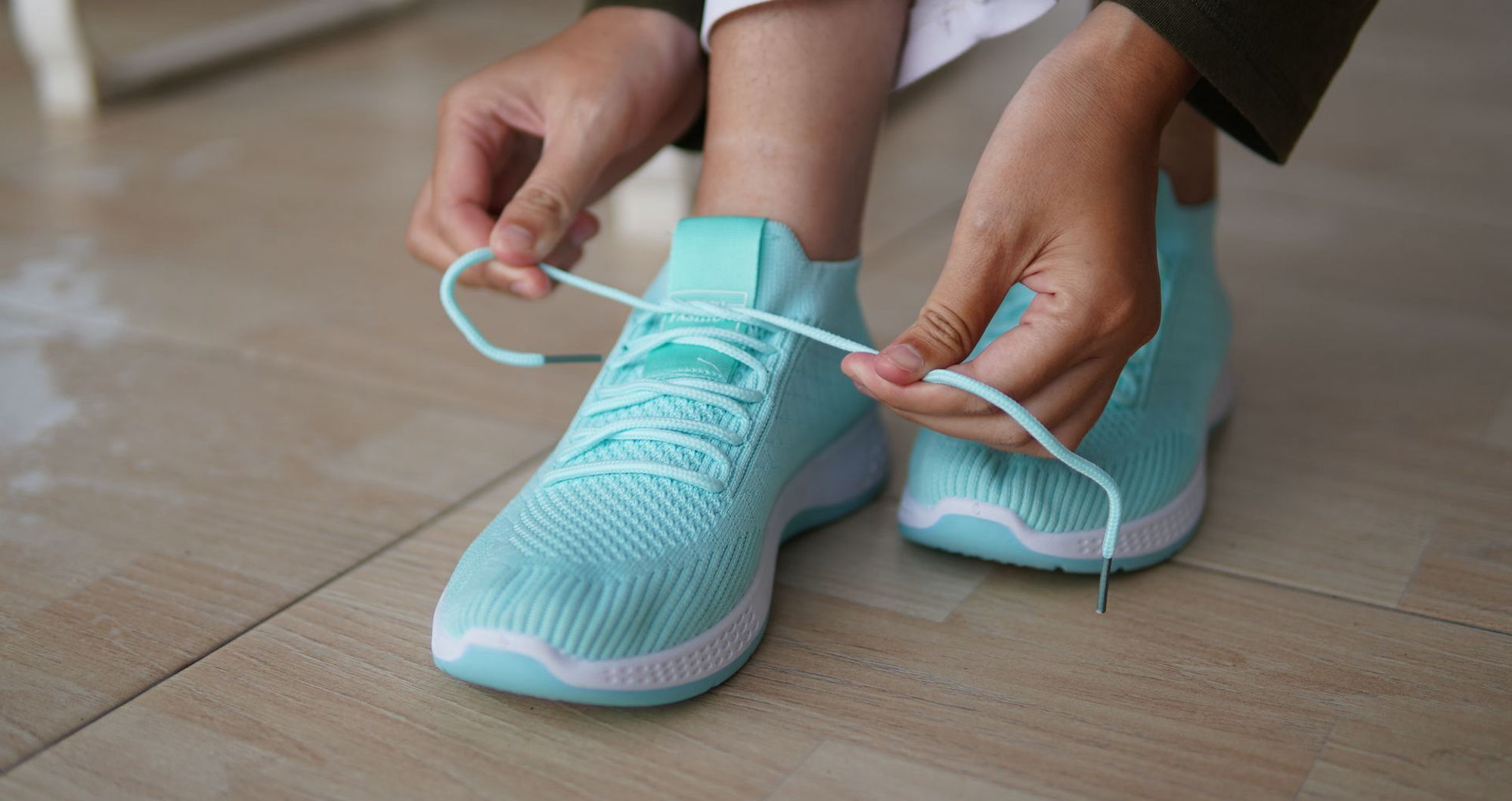

A supportive-looking trainer and an orthopedic shoe can appear surprisingly similar. Both may have cushioned soles, roomy toe boxes, removable insoles and adjustable fastenings. The difference is not simply that one looks more “medical.”
Regular footwear is designed for the dimensions and movement patterns expected across a broad group of wearers. Orthopaedic footwear is used when an individual’s foot shape, medical condition or functional needs cannot be accommodated properly by ordinary shoes. It may provide extra depth, altered sole geometry, greater stability or enough internal space for a prescribed orthosis.
For many men, a well-fitted conventional shoe is all that is required. Others need something more specific because arthritis, deformity, neurological conditions, previous injury or another problem has changed the way the foot fits or functions.
What Actually Makes a Shoe Orthopedic?
There is no single feature that turns an ordinary shoe into an orthopaedic one.
Guy’s and St Thomas’ NHS Foundation Trust describes orthopaedic footwear as special shoes, boots or trainers prescribed when regular footwear is unsuitable for a patient’s needs. These shoes are fitted to the individual and can include insoles as part of the prescription.
That definition is useful because it focuses on purpose rather than appearance.
Some specialist footwear is stock-made but available in unusual combinations of width and depth. Modular footwear can be modified more extensively. Bespoke footwear sits at the other end of the scale and may be manufactured around measurements or a model of the person’s feet.
The NHS Supply Chain currently treats bespoke, modular and orthotic stock footwear as distinct categories within its orthotics procurement framework, which began on 3 March 2025.
In other words, “orthopedic shoe” covers more than one level of intervention.
How Are Regular Men’s Shoes Different?
Ordinary shoes are manufactured around standardised lasts. A last is the three-dimensional form that establishes the shoe’s basic shape, including heel dimensions, forefoot width, toe profile and internal volume.
That works well when the wearer’s foot falls reasonably close to the shape for which the shoe was designed.
Problems begin when it does not.
A man with a severe bunion may need substantially more room around the first metatarsophalangeal joint. Someone with hammertoes may require additional vertical depth above the toes. A rigid high-arched foot may load the sole differently, while a brace can occupy enough internal space that a normal shoe becomes unusable.
This does not make regular footwear inferior. It simply means mass-market footwear has limits.
Dorset County Hospital states that orthopaedic footwear may be supplied when there is a clinical need and suitable commercially available footwear has already been tried without success. Common reasons include accommodating deformity and protecting feet at increased risk of skin breakdown.
Who Might Need Orthopedic Footwear?
The clearest candidates are men whose feet cannot be safely or comfortably managed in normal footwear.
Conditions vary widely. NHS foot and ankle services commonly deal with problems such as arthritis, bunions, hammertoes, flat feet and high-arched feet, with orthotics departments providing bespoke footwear or supports where necessary.
Consider a man with advanced ankle arthritis. Simply adding more cushioning may not solve the problem because painful joint movement itself could need to be limited. Another person may have an ankle-foot orthosis for foot drop and need a shoe deep enough to accommodate both the foot and brace.
For someone comparing orthopedic shoes for men, that means starting with the problem that needs solving. Extra width, additional depth, rocker geometry, a stable heel counter and removable insoles serve different purposes.
Orthopedic Shoes and Orthotics Are Not the Same Thing
The terms are often mixed up.
An orthosis is a device used to support, accommodate or alter the way part of the musculoskeletal system functions. In footwear, that may mean an arch support, insole, ankle brace or custom insert.
FootCareMD notes that orthoses range from simple pads and off-the-shelf shoe inserts to custom devices. Inserts may be used for conditions such as arthritis or flat feet and can redistribute pressure or influence function.
A person can therefore wear an orthosis inside an ordinary shoe without owning orthopaedic footwear.
The practical complication is volume. Once an insert or brace goes inside a shoe, less room remains for the foot. FootCareMD specifically advises considering the shoe and orthosis as a unit because the device occupies internal space.
A removable factory insole and extra-depth construction can make accommodation easier, but the heel must still remain secure.
What Features Can Specialist Shoes Provide?
The construction depends on the clinical need, but several features appear frequently.
Extra internal depth creates space for deformities or orthoses. Extra room at the front of the shoe can make a noticeable difference if bunions or hammertoes are causing pressure. Laces or adjustable straps also help you fine-tune the fit without making the shoe feel too tight.
The sole may also be modified.
Rocker-style soles can alter how the foot progresses through a step and reduce the amount of motion required at particular joints. Wedges or other external modifications can change load distribution. Some specialist designs use firmer structures to stabilise a deformity rather than attempting to force it into a different position.
FootCareMD’s guidance on specialist footwear also describes modifications intended to reduce pressure, shock and shear while supporting deformities and limiting painful joint motion where appropriate.
These are functional changes, not simply comfort upgrades.
Can Regular Shoes Provide Similar Features?
Absolutely.
Modern walking shoes increasingly include broad toe boxes, removable liners, cushioned midsoles and supportive heel counters. For mild symptoms, this may be enough.
Correct fit remains critical. The American Orthopaedic Foot & Ankle Society recommends approximately 3/8 to 1/2 inch between the longest toe and the front of a shoe. The ball of the foot should sit comfortably within the shoe’s widest area, the toe box should provide sufficient depth and the heel should not slide during walking.
Those rules apply whether a shoe costs £50 or is individually prescribed.
A man with a mildly broad forefoot may simply need a wider conventional trainer. Someone with occasional heel pain might benefit from different footwear or a suitable insert. Jumping immediately to bespoke footwear would make little sense if an off-the-shelf solution works.
When Does a Wider Regular Shoe Stop Being Enough?
Width solves only one dimension.
Imagine a foot with rigid hammertoes. Increasing width may relieve pressure at the sides but does nothing about the toes rubbing against the upper. FootCareMD notes that inadequate toe-box depth can cause contact at the top of the toes, leading to calluses or sores.
The same problem occurs when a foot has an unusual shape after injury, surgery or significant deformity.
Orthopaedic footwear becomes more useful when the shoe needs to accommodate the foot in several dimensions or perform a mechanical function that ordinary wide footwear cannot provide.
This distinction also prevents a common sizing mistake. Buying a longer shoe to obtain extra width or depth can leave unnecessary space ahead of the toes and allow the heel to move. The correct answer may be a different last or deeper construction rather than a larger numerical size.
What About Bunions, Flat Feet and Hammertoes?
Not every structural foot problem requires specialist footwear.
For bunions, shoes with broad toe boxes and enough width to avoid pressure can often reduce symptoms. FootCareMD recommends footwear that follows the shape of the foot rather than narrow or sharply pointed designs.
Hammertoes similarly benefit from adequate width and, importantly, depth. A deep toe box can accommodate the bent joints rather than repeatedly rubbing against them.
Flat feet are more complicated because appearance alone does not determine treatment. Some people have flexible flat feet without meaningful symptoms. Others develop pain, tendon problems or progressive deformity and may require an orthosis, brace or specialist assessment.
The footwear should match the actual functional problem rather than the name of the condition.
How Should Men Assess Fit?
Start by forgetting the size you have “always worn.”
Foot dimensions can change over time. Measure both feet and fit the larger one. Trying shoes later in the day can also be useful because feet tend to expand after hours of standing and walking.
Wear the socks and any orthoses you intend to use.
Stand, walk and pay attention to specific areas. Can the toes move? Is there pressure against a bunion or prominent joint? Does the heel lift? Does the upper bulge noticeably beyond the sole? Does an orthosis make the shoe tight across the instep?
Men considering orthopedic shoes for men should also check whether a product is simply comfort-oriented retail footwear or something being supplied as part of professional orthotic care. The terminology used commercially does not necessarily mean a shoe has been individually prescribed.
Do Orthopedic Shoes Have to Be Custom-Made?
No.
Specialist footwear exists on a spectrum. Stock or commercially available shoes may work when the required changes are relatively modest. Modular footwear provides more scope for adaptation. Fully bespoke shoes are reserved for situations where existing options cannot adequately accommodate the foot.
Even in specialist care, custom manufacture is not automatically the first choice. The goal is to use the least complicated option that solves the fitting or functional problem.
Frequently Asked Questions About Orthopedic Shoes vs Regular Shoes for Men
Are orthopedic shoes only for older men?
No. The need for orthopaedic footwear depends on foot structure, medical conditions and functional needs, not age. Younger adults may also need specialist footwear following injuries, neurological conditions or structural abnormalities.
Can I put custom orthotics into regular shoes?
Often, yes, provided the shoe has sufficient depth and the correct shape. Removing the original liner may create room, but the foot should not become cramped and the heel still needs to remain secure.
Are wide shoes considered orthopedic shoes?
Not by width alone. A wide shoe can simply be a conventional model built on a broader last. Orthopaedic footwear is used when particular clinical or functional needs require specialist accommodation or modification.
Should orthopedic footwear feel tight at first?
It should not create harmful pressure. Prescribed footwear may be introduced gradually, and Guy’s and St Thomas’ advises initially wearing it for short periods before increasing use if no problems develop.
The Difference Is What the Shoe Is Asked to Do
Regular footwear is designed to fit a broad population. Orthopaedic footwear becomes relevant when a particular foot falls outside those assumptions or needs support, accommodation or mechanical changes that ordinary shoes cannot provide.
That does not make specialist footwear the automatic answer to every painful foot. Sometimes a better width, deeper toe box or different everyday shoe is enough. At other times, deformity, arthritis, bracing or skin-risk concerns make professional orthotic input worthwhile.
The useful question is not whether a shoe looks orthopedic. It is whether its shape and construction solve the specific problem without creating another one.
Feature image by Pexels