

Poland’s internal security agency has detained six people accused of belonging to a spy ring that supplied Russia with military components, including shell casings and projectiles, in a scheme that ran for more than two years.
The Agency for Internal Security announced the detentions on 5 November. Those held are five Polish citizens aged between 25 and 52 and a 37-year-old Russian woman.
The charges
Four of the six, including the Russian woman, have been charged with espionage and placed in pre-trial detention for three months. Two others are subject to non-custodial measures.
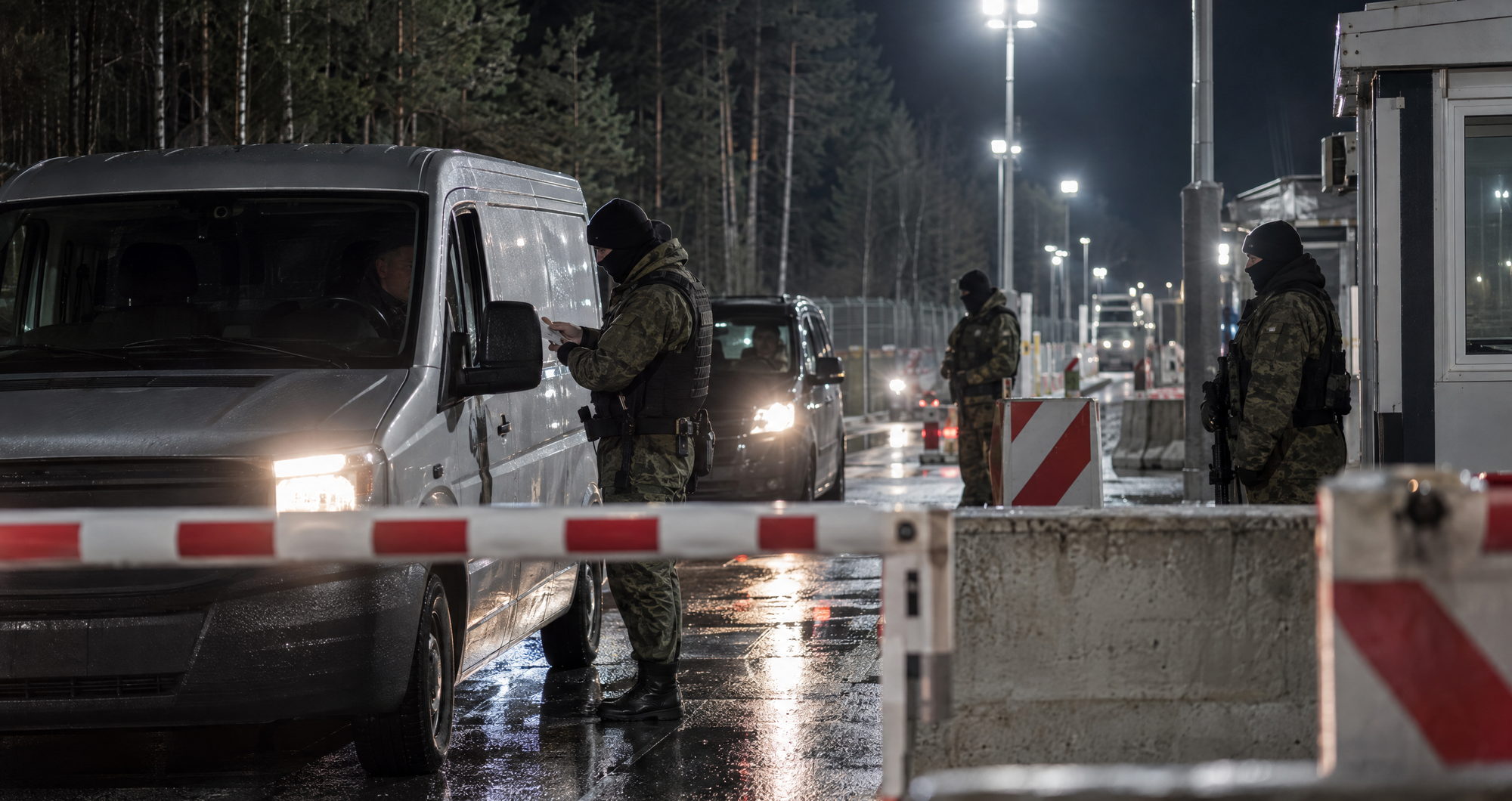
Investigators say the group bought components in Poland and transported them to Russia, and in some cases to Kaliningrad, using vehicles fitted with hidden compartments. The scheme is alleged to have operated between June 2023 and December 2025 and to have involved travel through Poland, Lithuania and Russia.
The components were valued at more than 2 million zloty, about €455,000. Some shipments were intercepted by border guards before they left the country.
The wider counter-intelligence picture
The interior minister, Tomasz Siemoniak, said nearly 100 people have been charged in investigations into espionage and sabotage since 1 January 2024. That figure reflects a sustained campaign of Russian intelligence activity against Poland and the wider region.
Poland has become a central target because of its role as the main logistics hub for military aid to Ukraine and because of its border with Kaliningrad, the heavily militarised Russian exclave on the Baltic coast.
Prime Minister Donald Tusk said Poland had foiled a possible provocation at the Kaliningrad border, without giving details. The Kremlin denies involvement in sabotage or espionage in Europe, as it has denied similar allegations in other countries.
How these networks operate
Recruitment usually begins online or through criminal contacts, and the tasks are often small: transport a package, photograph a site, rent a flat. Each participant knows only their own part of the operation, which limits the damage when one is arrested.
The components in this case were not weapons but parts that Russia’s defence industry needs and cannot easily import because of sanctions. That makes the trade lucrative and difficult to detect, because the items are legal in themselves and are sold through ordinary commercial channels.
Prosecutors in several European countries have brought similar cases in the past two years, involving components for drones, electronics and machine tools. The pattern suggests a deliberate strategy of using civilian supply chains to circumvent export controls.
What happens next
The detainees face trial in Poland, where espionage carries a long prison sentence. Investigations of this kind typically take years, and further arrests have not been ruled out.
For Poland, the case reinforces an argument it has been making to its allies: that the war in Ukraine has moved onto European territory in the form of sabotage, arson and intelligence operations, and that counter-intelligence resources need to match the threat.
The broader lesson concerns the components themselves. Export controls are only as effective as the customs and border capacity that enforce them, and the shipments that were intercepted suggest that the controls were working, if not quickly enough.







