
The fashion and textile industries have always thrived on reinvention — from the first industrial looms to digital patterning. Now, another shift is quietly underway, one defined by data, precision, and accessibility. Across the global print economy, Direct-to-Film (DTF) and Direct-to-Garment (DTG) technologies are reshaping what it means to create on fabric — and redefining who gets to do it.
Technology at the Core of Creative Freedom
In workshops and print studios around the world, digital textile printing is no longer confined to large-scale industrial production. With compact systems capable of producing intricate designs on everything from cotton to canvas, creators now have tools that merge high fidelity with flexibility.
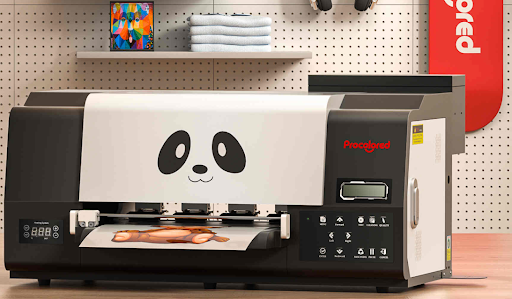
The rise of the DTF printer marks a particularly important milestone in this transformation. Rather than printing directly onto fabric, DTF transfers artwork via a special film, producing bold, durable prints across multiple material types. This flexibility has opened new possibilities for small studios and independent designers who want to create without the technical limitations of traditional textile printing.
Innovation Behind the Machines
Several technology developers have contributed to this evolution, refining hardware and software to make digital fabric printing more intuitive and sustainable. Among them, Procolored has emerged as a consistent presence in the field, known for advancing DTF and DTG printing technology through its range of precision-engineered systems.
The company’s focus on reliability and ease of use reflects the broader industry trend toward user-centric design — automation that reduces maintenance demands, and interfaces that simplify complex production steps. By integrating white-ink circulation systems, optimised colour calibration, and film-handling automation, Procolored’s solutions align with a growing demand for accessible professional-grade printing.
A Sustainable Intersection
Beyond technology, sustainability is becoming a defining factor in the textile printing conversation. Both DTF and DTG systems support on-demand production, helping reduce waste associated with mass printing. Improvements in ink chemistry and curing efficiency are further minimising energy consumption while maintaining colour vibrancy and durability.
For independent creators and established apparel producers alike, this convergence of efficiency and environmental awareness is reshaping business models — enabling smaller runs, less inventory, and faster creative turnaround.
A New Chapter for Fabric Design
Digital printing is now at the intersection of artistry and engineering. Where DTG delivers soft, detailed finishes ideal for boutique-style designs, DTF expands creative freedom through material versatility and durability. Together, they form the foundation of a new design era — one where technology amplifies creativity rather than constraining it.
As innovation continues, companies like Procolored exemplify how forward-thinking engineering can bring high-quality printing technology to a broader range of creators. And as these tools evolve, so too does the definition of modern textile art — from mass production to personal expression, one transfer at a time.