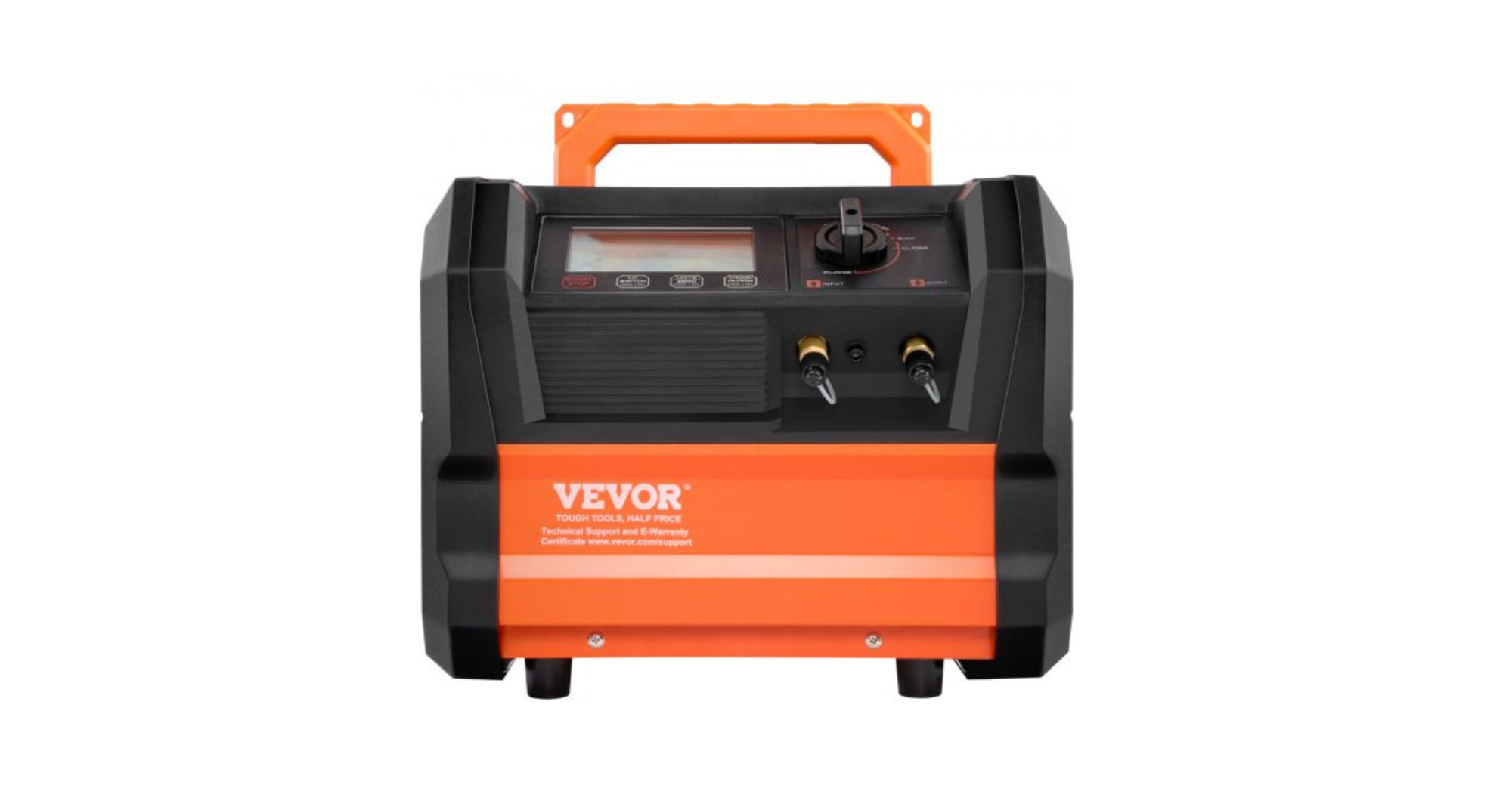

Refrigerant recovery is a routine part of HVAC service. Before repairs, replacements, or system upgrades, refrigerant must be removed and stored correctly. A vapour-liquid refrigerant recovery machine helps technicians complete this process with better control and efficiency.
As HVAC systems continue to use different refrigerant types, recovery equipment has become more advanced. Modern machines are designed to handle both liquid and vapour recovery, making them useful for a wide range of service tasks. Understanding what to look for can help technicians select equipment that matches their workload.
Why Recovery Equipment Matters
Every HVAC system eventually requires maintenance. During many service procedures, refrigerant must be removed before work begins. Recovery equipment makes this process more organised and helps technicians protect system components during repairs.
A dedicated HVAC recovery machine also supports refrigerant handling practices used across residential and commercial environments. Whether servicing a split system or a larger refrigeration unit, recovery equipment remains an essential tool in the field.
Understanding Vapor and Liquid Recovery
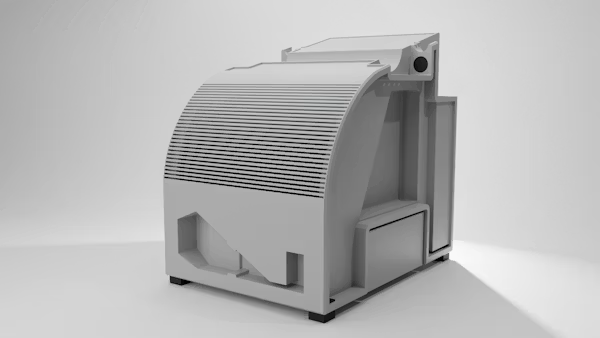
Many technicians work with both vapour and liquid refrigerant recovery methods. Vapour recovery is commonly used during service procedures and represents a large portion of the recovery process. Liquid recovery can often remove larger amounts of refrigerant more quickly when system conditions allow it.
A vapour-liquid refrigerant recovery machine is designed to handle both methods. This flexibility allows technicians to adapt their recovery approach based on the type of system and refrigerant being serviced.
Top Features Found in Modern Machines
Today’s recovery machines include several features that improve operation and convenience. Common examples include dual cylinder compressors, cooling fans, pressure monitoring systems, and durable carrying handles. These components help support performance across different job sites.
Many units also include self-purge functions. This feature clears remaining refrigerant from the machine after use and prepares the equipment for future recovery tasks.
Benefits for HVAC Technicians
Portable recovery equipment offers advantages for technicians who travel between multiple locations. Compact machines are easier to move through mechanical rooms, rooftops, and residential properties. Reduced weight can also make transportation more manageable during daily service calls.
Efficiency is another major benefit. Machines designed for both liquid and vapour recovery can help technicians complete recovery procedures using the method best suited for the application.
How Recovery Speed Can Improve Workflow
Recovery speed often affects the overall time spent on a service job. Equipment designed with efficient compressors and cooling systems can support steady refrigerant transfer throughout the recovery process.
Several factors influence recovery performance. Hose size, system conditions, refrigerant type, and machine design can all affect how quickly refrigerant is transferred into the recovery cylinder.
Important Safety Functions
Safety remains one of the most important considerations when selecting a recovery machine. Many modern units include automatic high-pressure shutoff systems that help protect both equipment and technicians during operation.
Additional safety features may include overfill protection compatibility, pressure controls, and protective housing designs. These functions help support reliable operation during demanding recovery tasks.
Applications Across Different Industries
Recovery machines are not limited to residential air conditioning systems. They are also used in commercial refrigeration, light industrial cooling equipment, and automotive air conditioning service. Different environments may require different recovery approaches depending on refrigerant volume and system design.
Technicians who work across multiple industries often prefer equipment that can support a variety of refrigerant applications. This flexibility allows one machine to serve many different recovery needs.
What to Check Before Buying
Choosing the right machine starts with understanding your typical service work. Residential technicians may prioritise portability, while commercial contractors may focus more on recovery capacity and compatibility with different refrigerants.
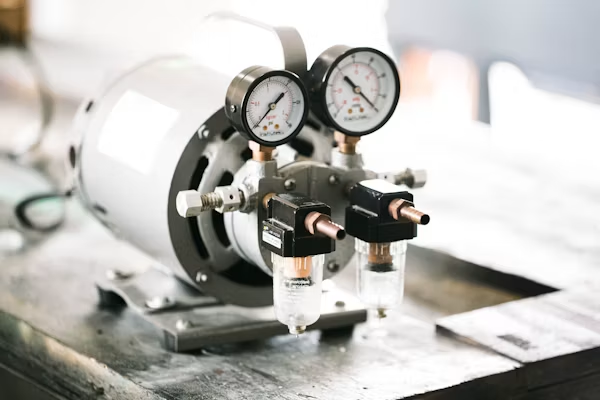
It is also worth reviewing compressor design, recovery methods, safety systems, and maintenance requirements. Looking at these factors together can help identify equipment that fits long-term operational needs.
Common Mistakes to Avoid
One common mistake is selecting equipment without considering refrigerant compatibility. Not every machine is designed for every refrigerant category, so checking specifications is important before use.
Another mistake is overlooking maintenance. Dirty filters, damaged hoses, or neglected components can affect performance and reduce recovery efficiency over time. Regular inspections help keep equipment ready for service work.
Simple Tips for Better Recovery Results
Using short hoses whenever possible can help improve refrigerant flow. Proper hose sizing may also contribute to more efficient recovery performance during service procedures.
Technicians should also monitor cylinder capacity and system pressures throughout the process. Following equipment instructions and maintaining recovery tools can help support consistent results.
The Future of HVAC Recovery Equipment
Recovery technology continues to evolve as HVAC systems become more advanced. Manufacturers are focusing on portability, efficiency, and compatibility with newer refrigerants. These improvements help technicians adapt to changing industry requirements.
As equipment develops further, recovery machines will likely continue offering features that simplify service work while supporting safe refrigerant management. For HVAC professionals, choosing dependable recovery equipment remains an important part of everyday operations.
Final Thoughts
A vapour-liquid refrigerant recovery machine plays a vital role in modern HVAC service. It allows technicians to recover refrigerants efficiently while supporting a variety of system types and applications.
Whether working on residential air conditioning units or commercial refrigeration systems, an HVAC recovery machine remains one of the most important tools in the service process. Understanding key features, safety functions, and recovery methods can help professionals make informed equipment decisions.
FAQs
What is an HVAC recovery machine?
An HVAC recovery machine removes refrigerant from a system and transfers it into a recovery cylinder before maintenance or repairs.
Can one machine recover both vapour and liquid refrigerants?
Yes. A vapour-liquid refrigerant recovery machine is specifically designed to handle both recovery methods.
Why is liquid recovery often faster?
Liquid refrigerant can often be transferred more quickly because it does not require the same compression process used during vapour recovery.
What safety feature is most important?
High-pressure shutoff protection is one of the most valuable safety features because it helps prevent excessive system pressure.
Are recovery machines used only for residential HVAC systems?
No. They are also used in commercial refrigeration, industrial cooling equipment, and automotive air conditioning service.