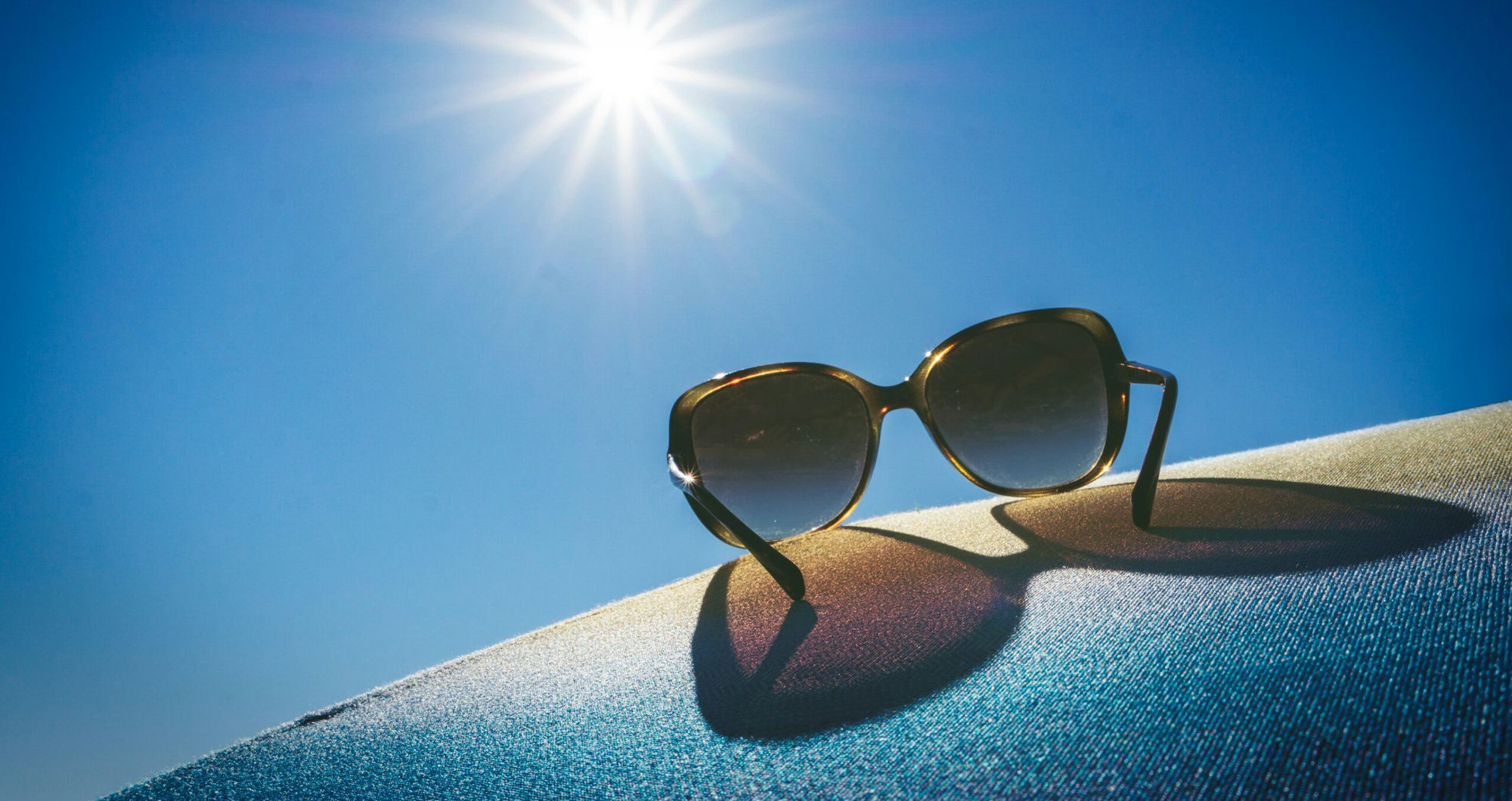

As soon as the sun appears in the London, most of us rush to protect our skin.
We reach for SPF, reapply moisturiser, and carefully plan longer days outdoors. But there is one area often left completely unprotected, despite being just as vulnerable to damage.
Our eyes.
With brighter days, stronger UV levels and more time spent outside, experts are warning that eye protection should be just as much a part of your daily sun routine as sunscreen.
We spoke to Consultant Ophthalmic Surgeon Mr Mfazo Hove, founder of Blue Fin Vision, about why protecting your eyes in the sun is essential for long-term health.

Blue Fin Vision’s Mr Mfazo Hove
“People are very aware of protecting their skin, but far less aware of protecting their eyes,” he explains. “Yet the eyes are just as susceptible to UV damage, if not more so in some cases.”
Why sun protection for your eyes matters
It is easy to assume sunglasses are a fashion accessory, but medically they are a form of protection.
UV rays from the sun can damage delicate structures in the eye over time, even on cloudy days. This damage builds gradually and often goes unnoticed until later life.
“UV exposure is cumulative,” says Mr Hove. “Repeated exposure without proper protection increases the risk of cataracts and macular degeneration in the long term.”
This means every unprotected walk, commute or lunch outside adds up over time.
It is not just summer you need to worry about
One of the biggest misconceptions is that eye protection is only needed on hot, sunny holidays.
In reality, UV rays are present all year round in the UK and can penetrate cloud cover.
That includes spring sunshine, bright winter mornings and even overcast days when light still reflects off surfaces such as water, glass and concrete.
In fact, experts say some of the most damaging exposure can happen in everyday settings rather than on beach holidays.
Screen time adds to the strain
While UV exposure is an outdoor risk, modern life adds an indoor one too.
Most of us now spend long hours on laptops, phones and tablets. This reduces blink rate and can lead to dry, irritated and fatigued eyes.
Symptoms can include stinging, blurred vision, light sensitivity and a feeling of heaviness by the end of the day.
“It is a combination of outdoor UV exposure and indoor digital strain that really impacts eye comfort,” explains Mr Hove.
How to protect your eyes properly
The good news is that protecting your eyes is simple once you know what to do.
Choose proper UV protection
Always wear sunglasses labelled 100% UV protection or UV400. Style is optional. Protection is not.
Wear them year-round
Do not save sunglasses just for holidays. Wear them in spring sunshine, winter brightness and even on cloudy days.
Think about coverage, not just lenses
Wraparound styles offer extra protection by reducing light entering from the sides.
Use hats for added defence
A wide-brimmed hat can significantly reduce UV exposure to your eyes and surrounding skin.
Don’t forget children
Children’s eyes are even more sensitive to UV damage, making early protection especially important.
When to get your eyes checked
Regular eye tests are also a key part of protecting long-term vision.
Eye examinations can detect early signs of conditions such as cataracts, glaucoma, diabetes and high blood pressure, sometimes before other symptoms appear.
Mr Hove stresses that prevention is always better than treatment.
“By the time symptoms appear, some damage may already be done,” he says. “Regular eye checks are essential.”
A simple habit with long-term impact
We often think of sun protection as something visible.
SPF on the skin. Hats on the head. Summer glow.
But eye protection is quieter, and arguably just as important.
Clear vision shapes everything we do, from driving and working to enjoying holidays and everyday life.
As Mr Hove puts it: “Looking after your eyes now is an investment in your future sight.”
So next time you step outside into the sun, think beyond SPF.
Put your sunglasses on. Protect your eyes. Make it a habit, not an afterthought.
Because when it comes to sun safety, your eyes deserve just as much attention as your skin.