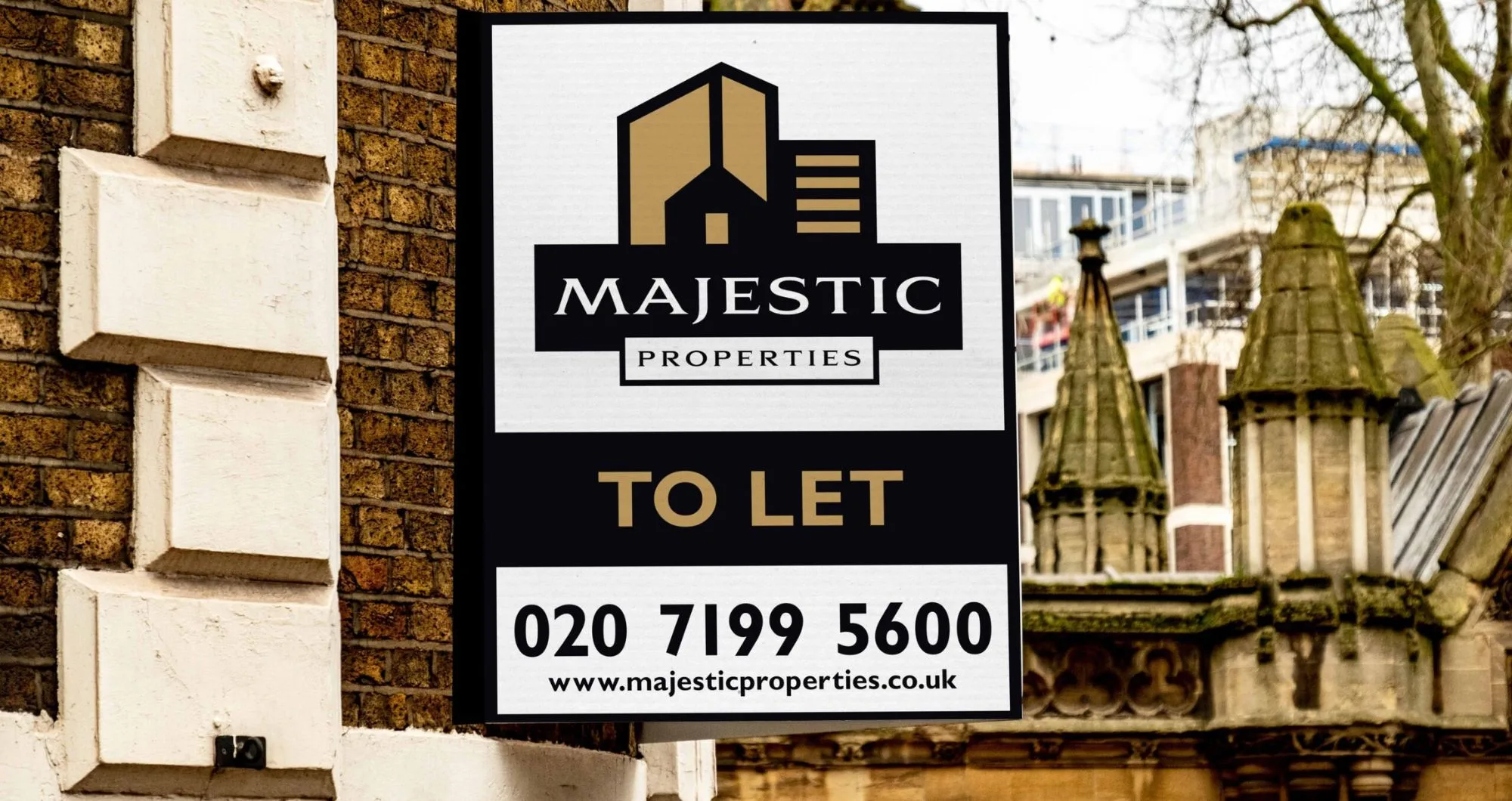

Well-designed real estate signs make a real difference in how quickly property changes hands. By blending both design and strategic placement, a sign can transform passing interest into serious inquiries. Good signage highlights key property details while strengthening your market presence. Each design choice, from colours to typography, shapes how potential buyers perceive both the property and your expertise. While digital tools offer fresh ways to enhance traditional signs, the fundamentals of clear, compelling design remain essential.
A thoughtfully crafted sign becomes your most reliable marketing tool, working steadily to connect properties with their future owners. In this article, let us see how to create a signage that sells.
The Purpose of Real Estate Signage
Property signage accomplishes two vital goals. On a practical level, they guide buyers to available homes and open houses, serving as the first touchpoint in their search. A clear, eye-catching sign helps interested buyers find their way while drawing in those who might not have considered the property otherwise.
Strong signage also builds agent recognition. Like any successful brand element, thoughtful design choices in colour, typography and layout set you apart. Each sign reinforces your market presence, turning casual glances into lasting impressions. This sustained visibility often leads to future listings and referrals.
Factors to Consider When Selecting a Sign Type (Location, Purpose, and Audience)
When selecting signage for a property, several factors need to be considered:
Location
- Place signs in areas with high foot or vehicle traffic to maximise exposure.
- In residential areas, position signs near intersections or along heavily travelled roads.
- For commercial properties, ensure signs are visible from key access points like parking lots or main entrances.
Purpose
- Tailor your signage to its specific purposes, such as advertising a property for sale, an open house, or an event.
- A “For Sale” sign should be clear and direct, while open house signs may include additional details like date and time.
Audience
- Understand your target audience, first-time buyers, investors, or premium clients.
- Customise signage to appeal to their preferences, whether that is friendly and inviting or minimalistic and professional.
- Taking these factors into account ensures your signage resonates with the right target audience and serves its intended purpose effectively.
Designing Signs That Stand Out
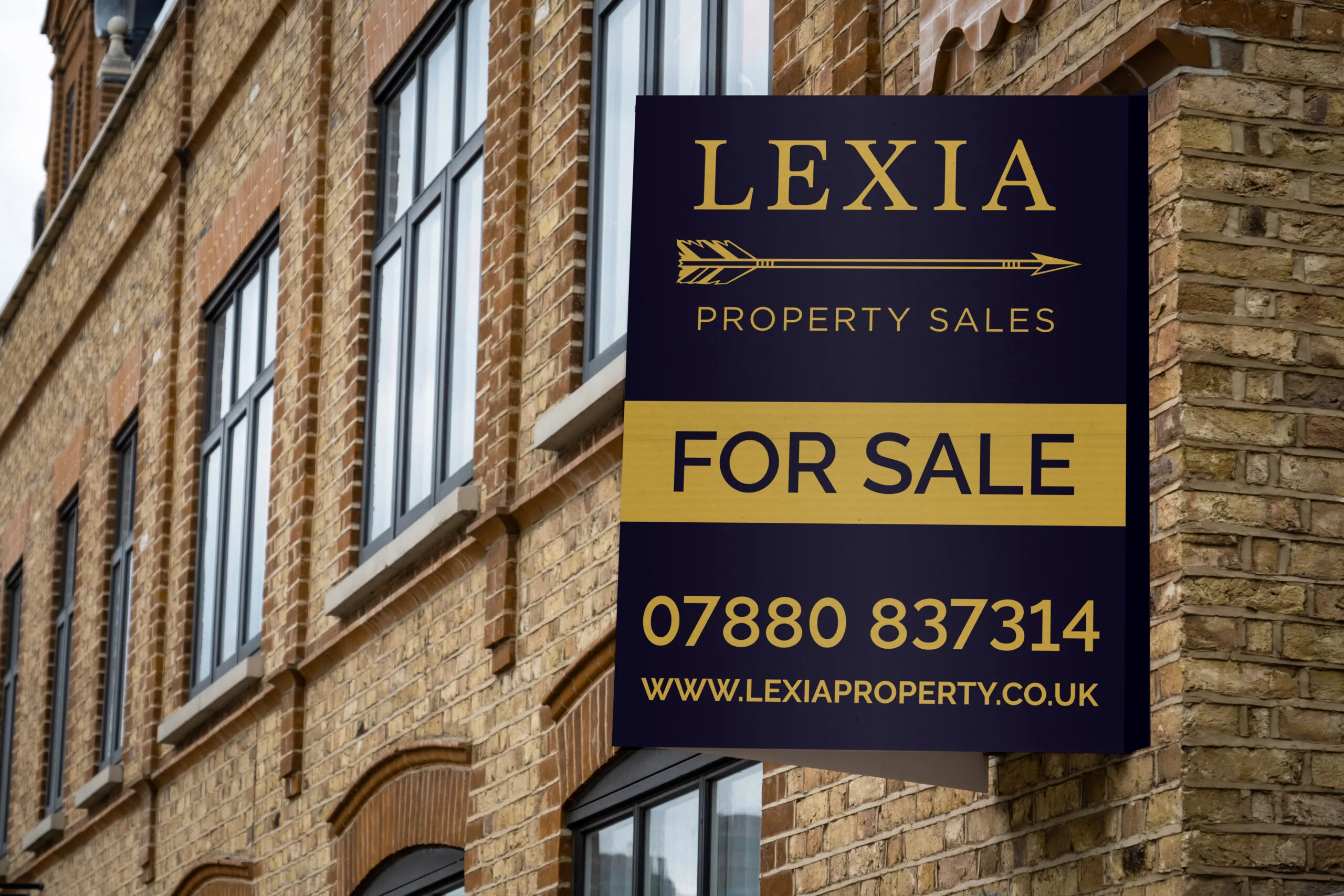
Effective signage relies on smart visual choices. Your brand identity takes prominence through purposeful colour schemes, font selection, and logo placement. This consistency builds recognition across your marketing channels.
Distance visibility matters. Your signs need to communicate clearly whether viewed from a passing car or across the street. Strategic spacing and prominent text ensure key details that stand out without overwhelming the viewer.
Consider V boards for high-traffic locations. Their generous size offers room for bold messaging while adapting to various display needs. You can easily move and adjust them, making V boards valuable for both quick promotions and extended campaigns.
Enhancing Signs with Technology
Smart technology helps enhance your traditional property signs. QR codes can transform simple signs into informative ones, letting prospects instantly view property details, photos and pen house schedules on their phones. This effectively bridges the gap between physical signs and digital information.
Event boards offer similar flexibility. The changeable displays of event boards help showcase upcoming open houses and property features. Quick updates ensure your messaging stays current, adapting to market changes and new opportunities without replacing the entire signs.
Placement and Maintenance Tips for Real Estate Signs
The effectiveness of real estate signage depends heavily on its placement and upkeep. Consider the following strategies.
Placement Tips
- Ensure signs are positioned where they are visible from various angles.
- Choose a size appropriate for the location, large enough to be noticed but not overwhelming.
- Optimise placement by identifying areas with high foot or vehicle traffic.
- Position signs at eye level or slightly higher for better visibility from a distance.
- Avoid areas with physical obstructions like trees, fences or parked cars that could block visibility.
- Use directional signs to guide potential buyers to the main property, especially for open houses or listings in secluded areas.
- Place signs in well-lit areas to ensure visibility during evening hours.
Maintenance Tips
- Regular maintenance inspection will help identify signs of wear and damage, allowing for correct repairs to maintain your signage’s professional appearance.
- Weather-resistant materials are essential for protecting your investment, ensuring your signs withstand various environmental challenges, from rainfall to intense UV exposure.
- Implement periodical cleaning protocols to remove accumulated debris and maintain optimal visibility for your signage.
- Replace faded or outdated designs correctly to maintain a fresh and professional look.
- Secure signs properly to prevent tilting, falling or being blown away by strong winds.
- Rotate or reposition signs as needed to avoid damage from prolonged exposure to changing weather.
- Store unused signs in a clean, dry environment to prolong their lifespan and prevent wear.
Measuring the Success of Your Signage
To ensure your signage is working as intended, it is essential to track its performance. Here are some ways to do it.
- Lead generation: Monitor the number of inquiries, calls or visits generated from your signage.
- Unique identifiers: Use specific phone numbers, website links, or QR codes to attribute responses directly to a particular sign.
- Adaptation: Analyse feedback and results to refine your signage strategy. Adjust designs, messaging or placement based on what works best.
- Consistency: Create a unified visual identity across your signage portfolio. When your signs, including event boards, share consistent design elements, they reinforce your market presence and help build lasting recognition among potential buyers and sellers.
Final Thoughts
Property signs remain a vital tool for both marketing and brand building in real estate. Through strategic placement, professional design and smart technology integration, your signs actually work to attract qualified buyers and strengthen your market presence.
Quality signage represents a worthwhile investment in your business growth. When you combine strong visibility with polished presentation, signs become powerful lead generators that show your professional standards. By crafting signs that command attention while delivering value, you create a lasting impact that converts into effective business results.
Professional businesses seeking quality signage will find Printed Estate Agent Boards an ideal solution. PEAB delivers premium, environmentally conscious prints that enhance attention and while supporting sustainability goals.