
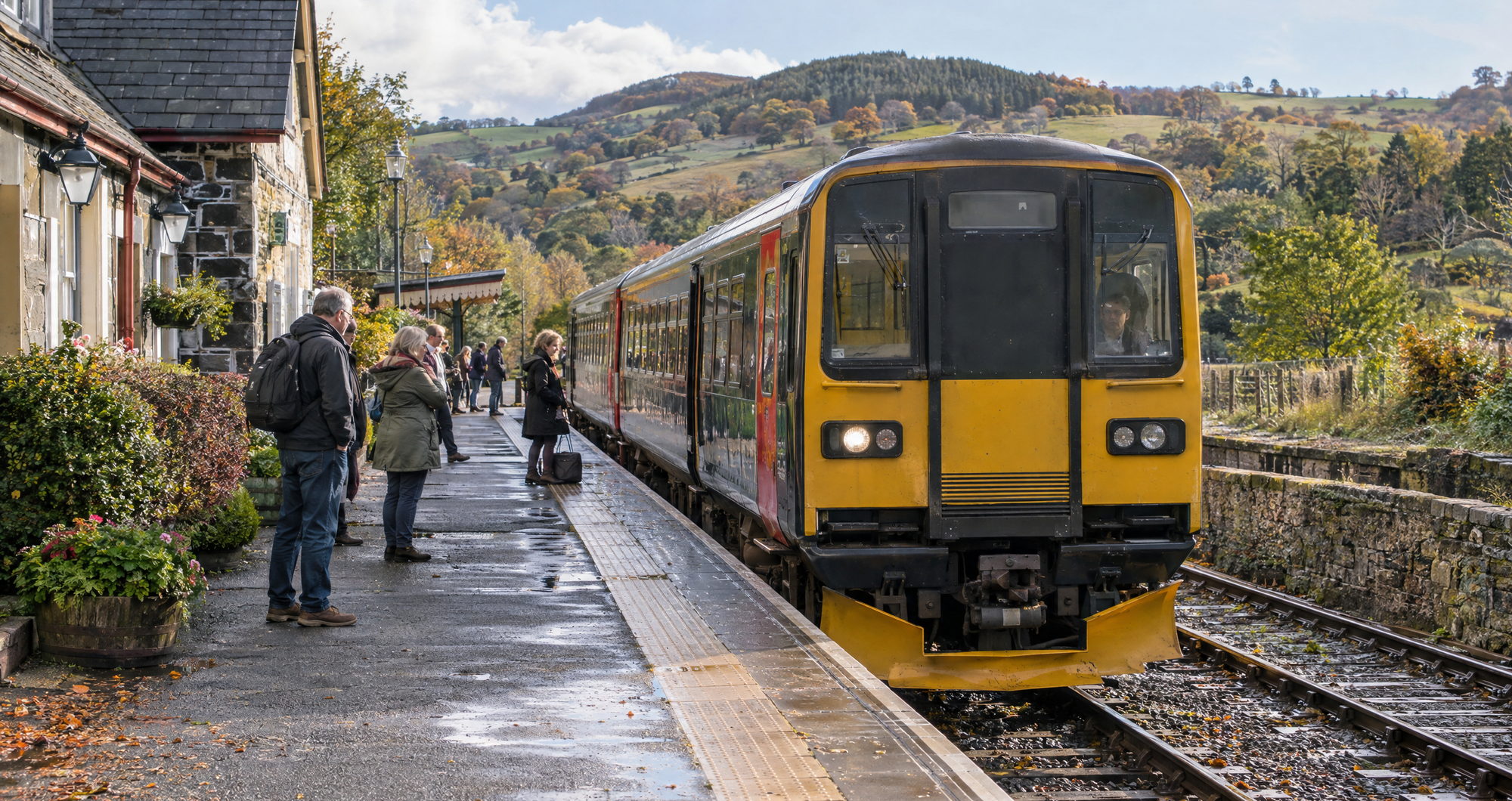

The Office of Rail and Road has approved plans by Transport for Wales to run a two-hourly service between west Wales and Bristol Temple Meads, opening a direct link that currently requires a change at Cardiff.
The approval is temporary, running only until the December 2027 timetable change, and the operator will confirm a start date and timetable within weeks once crew training is arranged.
What has been approved
Transport for Wales applied to run the service on a route currently served by Great Western Railway, which operates two trains an hour between Cardiff and Bristol. The regulator weighed the benefits to passengers against the effects on performance, on other operators and on public funding.
Great Western Railway objected during the process, arguing that a new service could have a significant effect on its revenue and mean less money returning to the government. It has since said it will work with Transport for Wales to coordinate services and that the new trains will not be to the detriment of existing ones between Bristol and South Wales.
The regulator’s decision grants access until December 2027 rather than for a full timetable period, reflecting the need for further industry work on how the service fits into the wider network beyond that date.
Why the route matters
Travelling from Carmarthen, Llanelli or Swansea to Bristol currently means changing at Cardiff, which adds time and creates a risk of missed connections on a route used by students, commuters and people attending hospitals in Bristol.
A direct service also changes the economics of the South Wales rail network. It creates a link between the Swansea Bay city region and the Bristol and Bath economy, two labour markets that are close in distance but poorly connected by rail.
Transport for Wales says the services will add capacity on a busy route and create direct journey opportunities from west Wales. The operator has been rebuilding its timetable after a period of disruption caused by fleet reliability problems and infrastructure work.
The ownership backdrop
Great Western Railway is due to return to public ownership later this year, part of the government’s programme of bringing passenger services into public control as contracts expire. That changes the calculation for objections of this kind, because the revenue that a new operator takes from an existing route flows to the state rather than to a private shareholder.
Transport for Wales is itself publicly owned, accountable to the Welsh government. The dispute is therefore between two public bodies about how capacity on the same corridor should be allocated, rather than a contest between private operators.
The Welsh government has argued that cross-border services are essential to the Welsh economy and that the current timetable undervalues the West Wales market. The English side of the route is governed by the Department for Transport, which has taken a more cautious view of adding services where capacity is constrained.
What happens next
The operator will announce a start date in the coming weeks, with the first services expected in December if crew training can be completed in time. Beyond 2027, the arrangement will be reviewed as part of the timetable change, when the regulator and the industry will need to decide whether the service becomes permanent.
Transport for Wales is separately consulting on proposals for the Swansea Bay and West Wales Metro, which could add stations and frequency on routes around Swansea, Neath and Ammanford. Those plans are at an earlier stage and would require funding decisions that have not yet been taken.







