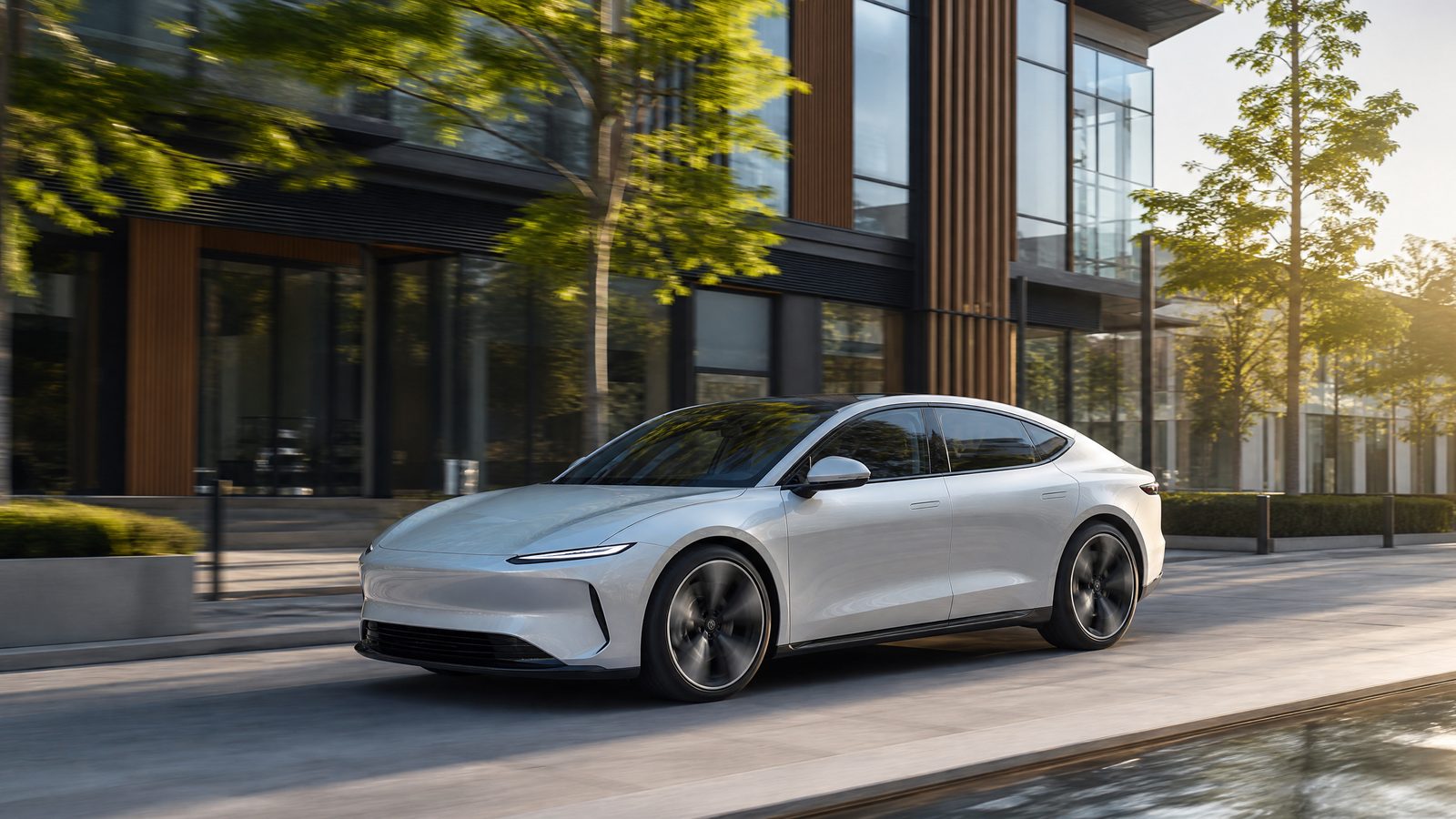

The Renault brand has recorded its seventh consecutive half-year of sales growth, selling 829,518 vehicles worldwide in the first six months of 2026. This 2.6% year-on-year increase highlights the core brand’s continued momentum, even as the wider Renault Group reported a slight 0.4% decline in global deliveries to 1,165,133 vehicles.
The results, published in the company’s official H1 2026 commercial results, demonstrate a disciplined approach to value creation and a rapid shift towards electrification. Across its five main European markets, the Group sold 60.0% of its passenger cars directly to retail customers, a strategy designed to manage residual values effectively and ensure long-term profitability.
Electrification Drives European Performance
In the European market, the Renault Group sold 821,092 passenger cars and light commercial vehicles, representing a minor decline of 1.3%. Despite this broader trend, the Renault brand maintained its strong position, selling 528,849 vehicles—a 2.6% increase—and securing its place as the second best-selling brand in Europe.
Electrification remains a central pillar of the company’s strategy. Electrified vehicles accounted for 52.0% of all Renault Group sales in Europe during the first half of 2026, an increase of 8.2 percentage points. For the Renault brand specifically, the shift is even more pronounced, with two out of three vehicles sold in Europe (66.3%) now electrified.
Battery electric vehicles (BEVs) made up 26.6% of the brand’s sales. This performance has been significantly bolstered by the success of the Renault 5 E-Tech electric, which currently stands as the best-selling B-segment electric vehicle in Europe, demonstrating strong consumer demand for accessible electric mobility.
What This Means for London Drivers
For motorists in the capital, Renault’s rapid shift towards electrification offers expanding options amid the growing Ultra Low Emission Zone (ULEZ) and zero-emission requirements. The success of models like the Renault 5 E-Tech electric indicates a strong consumer appetite for stylish, accessible electric vehicles that can navigate city streets efficiently.
Furthermore, the company’s focus on retail sales and residual value management is highly relevant to UK consumers navigating the cost of living and car financing. Strong residual values often translate to more competitive Personal Contract Purchase (PCP) deals, making the transition to electric driving more attainable for Londoners who might otherwise be priced out of the EV market.
This shift aligns with broader trends in the automotive sector, as seen in the ongoing transition to electric vehicles across the UK, where infrastructure and vehicle availability are rapidly evolving.
International Growth and Future Targets
Beyond Europe, the company reported significant international growth. Group sales surged in several key markets, including India (+61.2%), Türkiye (+15.4%), Morocco (+13.7%), and Brazil (+5.3%). This global expansion helps balance the slight dip in overall European volume.
The official press release stated: “In 2026 H1, Renault Group recorded stable global sales, with 1,165,133 vehicles sold (-0.4% vs. 2025 H1). This result, driven by the complementarity of the Group’s three brands, reflects improved sales quality, a strong focus on value, and accelerated electrification of the lineup.”
Looking ahead, the company has set ambitious targets. The brand’s sales boss has indicated that Renault can sustain its recent sales growth to achieve its goal of selling more than two million cars per year by 2030, a trajectory that industry analysts suggest is sustainable given the current product lineup and market strategy.
The continued momentum of the core brand, extending its growth for a fourth consecutive year, positions the company strongly as it navigates the evolving global automotive landscape and the transition to zero-emission driving.