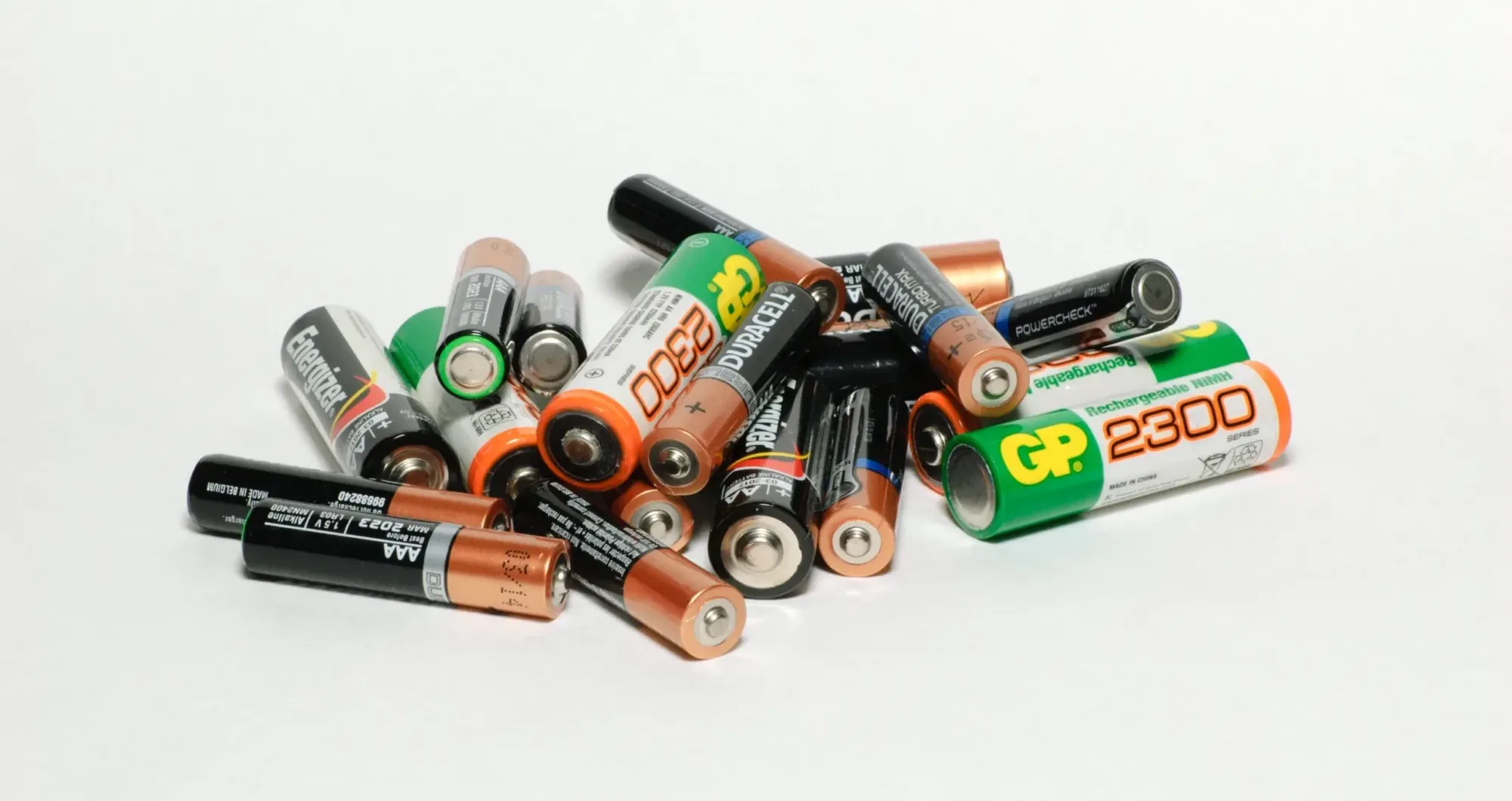

SEO for battery-grade iron recycling startups enhances the visibility of their technology, allowing potential customers, partners, and industry experts to find them easily online. New firms leveraging digital visibility alongside effective storytelling can establish their reputations and capture contracts in the thriving critical minerals marketplace.
Finding sufficient pure and sustainable iron for batteries has become a significant business challenge and a critical global concern. As the world pivots to green energy, the need for quality raw materials—especially battery-grade iron for lithium-iron-phosphate (LFP) batteries—has soared. Enter recycling startups positioned to transform scrap and industrial waste into high-purity, eco-friendly feedstocks. But getting noticed is about more than technical innovation in this challenging competition. To win trust and deals, these companies need to rank high in search. That puts SEO at the heart of the clean-tech playbook.
Clean tech startups turn to SEO to compete in the critical minerals market
While legacy metal giants and mining companies dominate classic search terms, battery-grade recycling startups work to differentiate themselves online. Effective SEO gives these new entrants a fighting chance by:
- Focusing on keywords that highlight high-purity iron suitable for batteries, not just scrap or generic steel
- Explaining unique recycling processes, such as hydrometallurgical or electrochemical extraction, in language for both engineers and procurement teams
- Publishing data and thought leadership—white papers, process diagrams, and technology roadmaps—to signal credibility
The best digital strategies move beyond “recycled iron” to win searches for “LFP battery materials supplier,” “battery-grade iron oxide recycling,” and “low emissions iron recovery for batteries.”
Search demand rises as battery supply chain concerns gain attention
Headlines filled with battery fires, gigafactory delays, or critical mineral shortages have changed how people search. The appeal of safe, traceable, and sustainable raw materials is quickly gaining momentum. Google queries like “battery-grade iron supplier,” “circular economy battery materials,” and “green LFP battery feedstocks” are rapidly gaining momentum.
Who’s searching?
- OEMs (original equipment manufacturers) that need secure, traceable supply chains
- Technology and battery developers are exploring new feedstock options for LFP and other chemistries
- Investors and policy advisers comparing carbon footprints and compliance claims
Startups get noticed when their SEO puts these pain points—sustainability, traceability, purity—front and centre on their main pages and research blogs.
Recycling firms face SEO challenges due to overlap with the broader iron industry
The search space for “iron” is crowded: everything from artisanal cast iron pans to automotive scrap yards appears in results. Battery-grade recycling startups face the double challenge of:
- Avoiding dilution by unrelated “iron recycling” results, which rarely target the battery or cleantech audience
- Explaining advanced purification (removing phosphorus, sulfur, and silicon) that separates their material from general construction steel or ferrous scrap
Solving this means investing in keyword research around scientific language—“99.99% Fe2O3 for lithium batteries,” “high-purity iron for cathode materials”—and pairing it with plain English for supply chain buyers.
Content strategies focus on sustainability metrics and technical credibility
Robust SEO in this field develops from honest practices and hard data. Distinguishing Features of leading battery-grade iron recyclers:
- Routinely share transparent reports on carbon emissions, lifecycle analyses, and certifications from independent testing labs
- Offer easy access to downloadable product specifications, material safety data sheets (MSDS), and third-party purity validations
- Keep their audience informed with frequent blog updates and comprehensive FAQs—covering topics such as the comparison of secondary and primary iron sources, pollution savings achieved, and ongoing technology pilot projects
Educational content is most effective when it covers regulatory needs (such as compliance with India’s battery waste management rules), environmental priorities, and practical buyer concerns like “Will this material work in our process?”
B2B search optimisation targets OEMs, researchers, and policy stakeholders
Getting found by the right people is key. Battery-grade recycling startups drive B2B SEO success by:
- Dividing their website into targeted persona sections like OEMs, research entities, and policy advisors, with custom landing pages and downloadable material
- Leveraging schema markup and well-organised page layouts to capture featured snippets for queries like “What is battery-grade iron recycling?”
- Posting white papers on LinkedIn, ResearchGate, and sector-specific news portals to generate backlinks and build authority
As the market matures, many firms now bring in specialists. To get personalised advice, consult Sandeep Mehta on sustainable SEO. These specialists assist in fine-tuning keyword portfolios, structuring website navigation, optimising technical content for SEO, and securing reputable backlinks from industry journals and research organisations. The result is a strategic web presence that reaches every target group in the complex battery materials ecosystem.
The next change in battery supply starts with a search
Battery-grade iron recycling is a technical challenge—a digital one too. Companies that master SEO become the go-to choice for manufacturers, researchers, and regulators racing to build safe, sustainable battery supply chains. With global competition heating up, the startups that rise in search don’t just get seen—they get chosen. Every step forward in clean-tech begins with a discovery, and today, that discovery starts on Google and in the search box of every critical minerals buyer.
Feature Image by Андрей Баклан from Pixabay