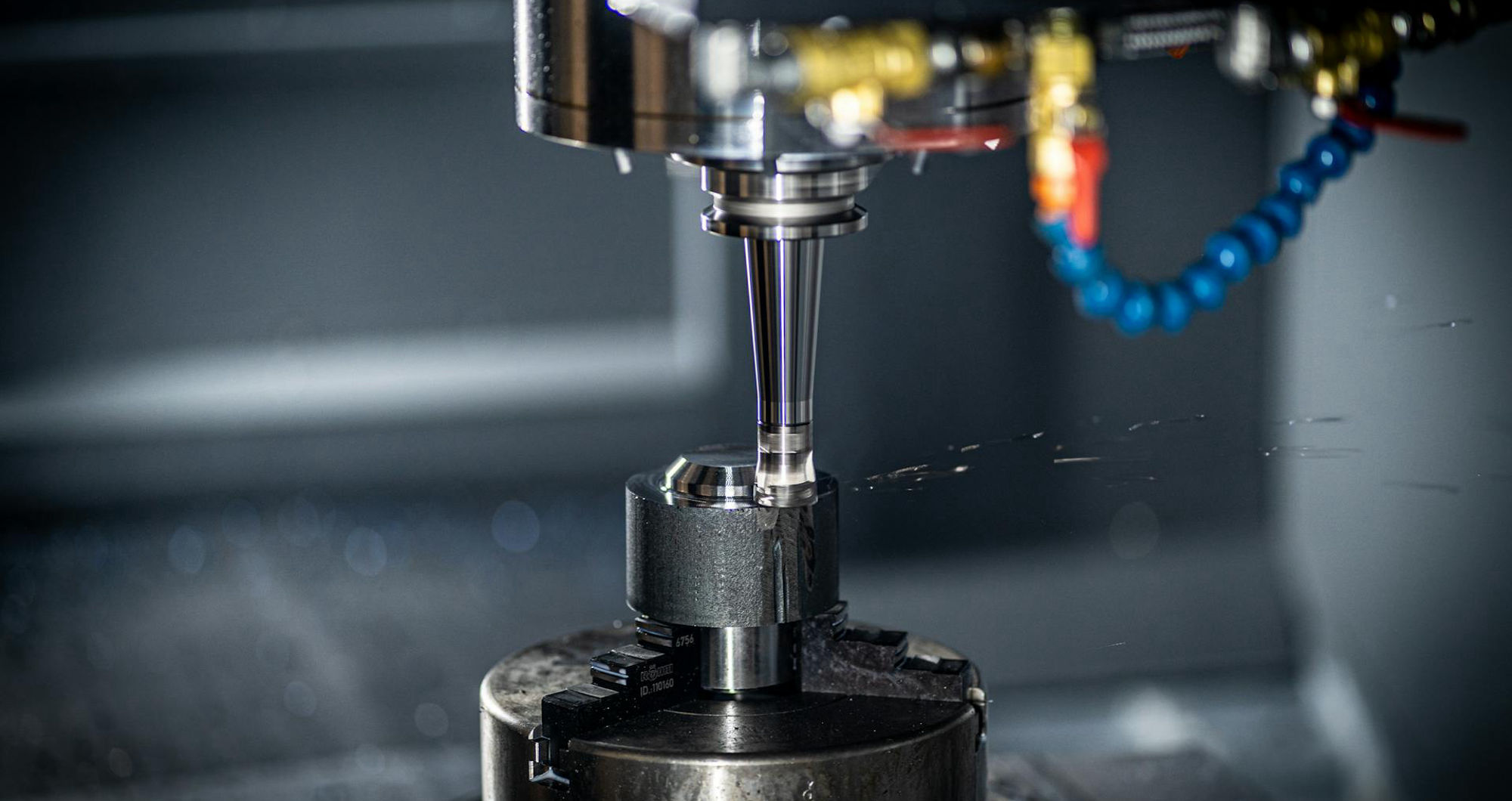

In recent years, manufacturing has entered a phase of rapid transformation. Driven by automation, material innovation, and global supply chain restructuring, precision machining has evolved from a traditional production method into a strategic capability that supports aerospace, medical, automotive, and electronics industries.
Across the UK and Europe, demand for high-accuracy components continues to rise. Companies are no longer just looking for suppliers—they are looking for engineering partners capable of delivering consistent quality, tight tolerances, and scalable production. This shift is redefining how machining companies position themselves in the global market.
The Shift from Traditional Machining to Smart Manufacturing
Traditional machining processes relied heavily on manual setups and operator experience. While these methods are still relevant in some applications, they struggle to meet today’s requirements for speed, precision, and repeatability.
Modern CNC systems, Swiss-type machining, and multi-axis automation have significantly improved production efficiency. These systems allow manufacturers to produce complex geometries in a single setup, reducing error accumulation and production time.
At the same time, digital integration is becoming standard. Real-time monitoring, predictive maintenance, and AI-assisted quality control are helping manufacturers reduce waste and improve consistency across production batches.
As a result, precision machining is no longer just about cutting metal—it is about controlling an entire data-driven manufacturing ecosystem.
Why Precision Components Are Becoming More Critical
Industries such as medical devices, telecommunications, and electric vehicles require extremely tight tolerances and material reliability. A small deviation in a single component can affect system performance, safety, or regulatory compliance.
This is particularly important in sectors where miniaturisation is accelerating. Devices are becoming smaller, but performance expectations are increasing. This creates a strong demand for advanced machining capabilities that can deliver complex parts with micron-level accuracy.
To meet these requirements, manufacturers are investing in specialised production systems such as Swiss machining platforms. These systems are particularly effective for small, high-precision cylindrical parts used in medical screws, connectors, and micro-mechanical assemblies.
Companies offering dedicated engineering and production capabilities, such as those described in advanced machining systems like Swiss machining solutions, are increasingly positioned as key suppliers in global supply chains.
Material Innovation and Engineering Flexibility
Another major trend shaping the manufacturing industry is the diversification of materials. Engineers are no longer working only with traditional steel or aluminium. Instead, they are increasingly using titanium, engineering plastics, copper alloys, and composite materials.
Each material introduces its own machining challenges. For example, titanium requires controlled cutting speeds to avoid tool wear, while copper alloys demand high precision to maintain conductivity performance.
This is where integrated machining expertise becomes essential. Manufacturers must not only operate machines but also understand material behaviour, thermal expansion, and machining stress factors.
Advanced suppliers specialising in engineered components, such as those providing custom Swiss machined parts overview, play a crucial role in bridging the gap between design engineering and production execution.
Supply Chain Resilience and Regional Manufacturing Growth
The global supply chain disruptions of recent years have changed how companies think about sourcing and production. Many OEMs are now moving toward regionalised or dual-source manufacturing strategies to reduce dependency on single-country production hubs.
The UK manufacturing sector, in particular, has seen renewed interest in domestic precision engineering capabilities. Companies are prioritising suppliers that can offer shorter lead times, reliable communication, and compliance with European quality standards.
This trend has also increased demand for CNC machining partners capable of handling both prototyping and mass production. Flexibility is becoming just as important as cost efficiency.
Modern machining providers are responding by expanding their capabilities into end-to-end solutions—from CAD design support to final surface finishing. This integrated approach allows them to support clients across the entire product development lifecycle.
The Role of CNC Machining in High-Performance Industries
CNC machining remains one of the most reliable methods for producing precision parts at scale. Its adaptability allows manufacturers to produce everything from simple brackets to complex multi-axis components.
Industries such as aerospace and automotive rely heavily on CNC technology due to its ability to maintain strict tolerance requirements under high production volumes.
For example, electric vehicle systems require precision battery connectors, cooling system components, and structural housings. Each of these parts demands consistent dimensional accuracy and material stability.
Manufacturers offering advanced CNC capabilities, such as those producing precision CNC machined parts services, are increasingly supporting these high-growth industries with scalable production solutions.
Sustainability and Efficiency in Modern Manufacturing
Sustainability is also becoming a central focus in machining operations. Energy consumption, material waste, and coolant management are now key performance indicators for modern factories.
Manufacturers are adopting strategies such as dry machining, recyclable material usage, and optimised tool path programming to reduce environmental impact.
At the same time, automation helps reduce scrap rates and improve material utilisation. By improving first-pass yield rates, companies not only reduce cost but also minimise their environmental footprint.
This alignment between efficiency and sustainability is expected to define the next generation of manufacturing competitiveness.
Conclusion: Precision Engineering as a Strategic Advantage
Precision machining is no longer just a manufacturing process—it is a strategic capability that influences product innovation, supply chain resilience, and global competitiveness.
As industries continue to evolve, demand for high-quality engineered components will only increase. Companies that invest in advanced machining technologies, material expertise, and integrated production systems will be better positioned to succeed in the global marketplace.
In this environment, precision engineering is not simply about making parts—it is about enabling entire industries to function more efficiently, reliably, and sustainably.