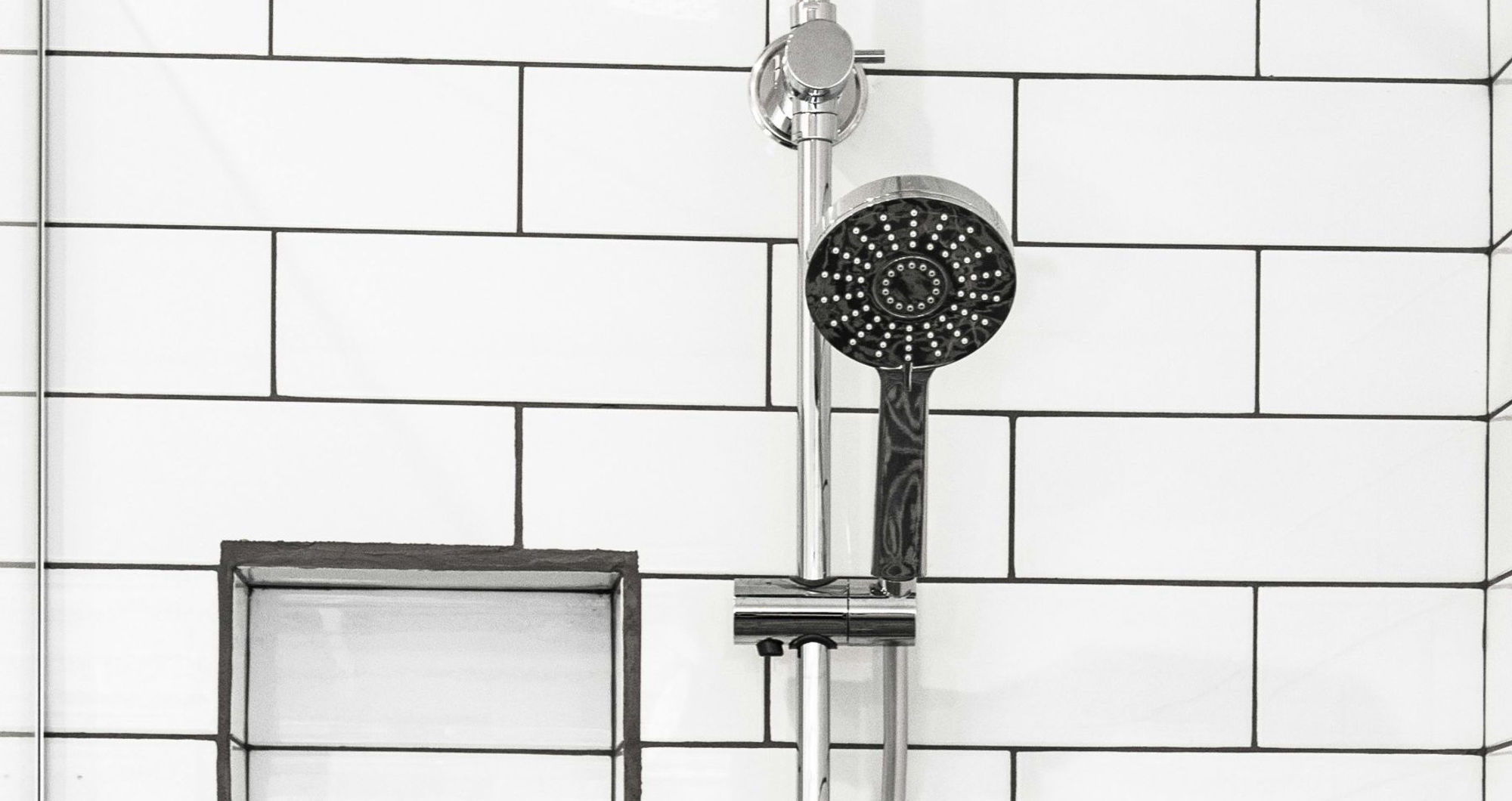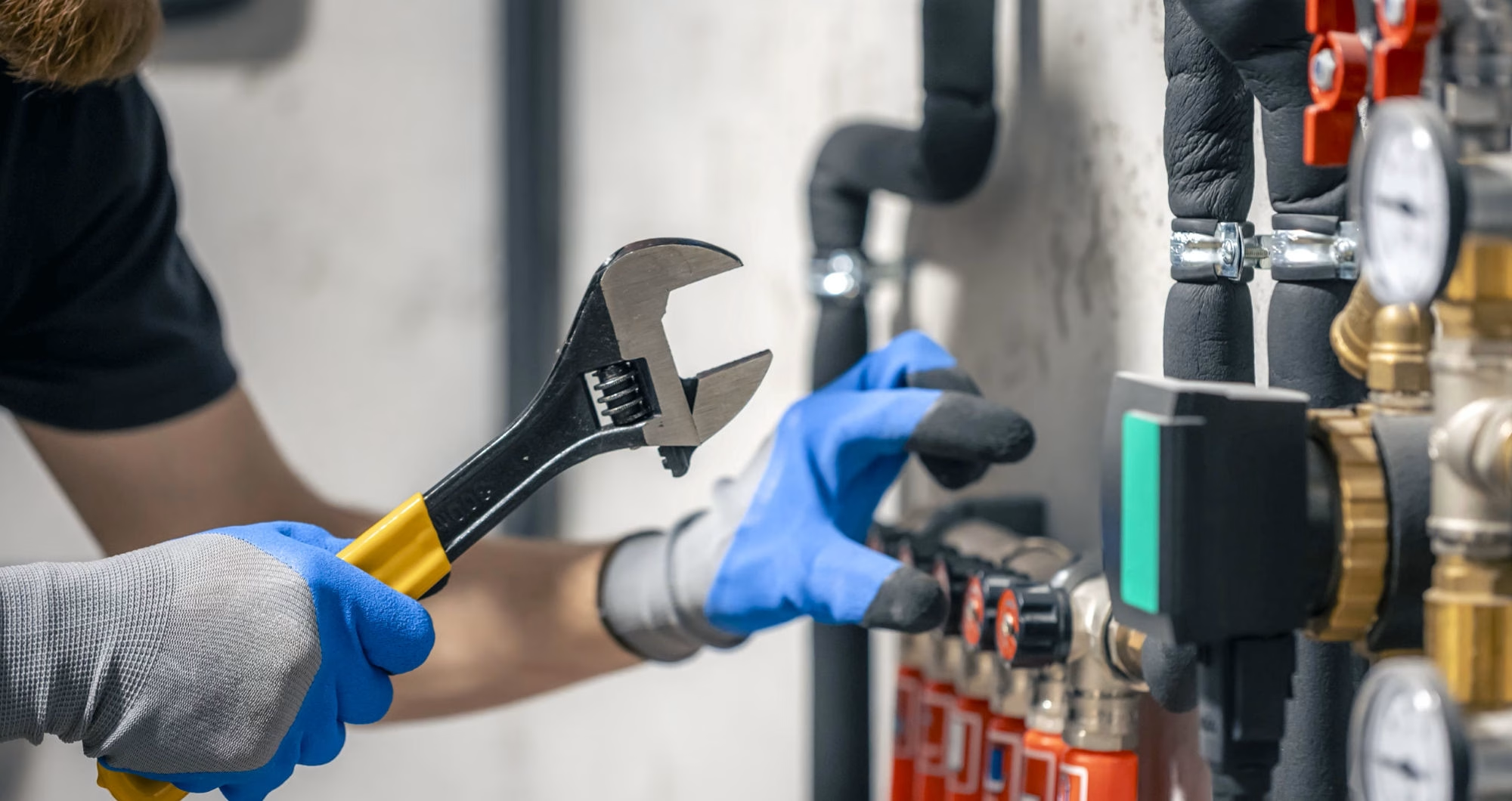

Spring is the perfect season to refresh your home, and that includes your plumbing system. After months of cold winter weather, pipes, drains, and fixtures may experience wear and tear, hidden leaks, or blockages. Regular plumbing maintenance in spring can prevent costly repairs, improve efficiency, and ensure your household water system functions smoothly throughout the year. Whether you’re a homeowner or property manager in Richmond Hill, taking proactive steps can save you time, money, and stress.
1. Inspect your pipes for leaks
One of the most important spring plumbing tips is to inspect your pipes for leaks. Winter weather can cause pipes to contract, expand, or even develop cracks.
- Check visible pipes in basements, crawl spaces, and under sinks for water stains, corrosion, or drips.
- Listen for unusual sounds, such as hissing or running water when fixtures are off.
- Inspect exterior hoses and faucets for damage caused by freezing temperatures.
Identifying leaks early can prevent water damage and increase the longevity of your plumbing system.
2. Clean and maintain drains
Spring is an ideal time to clean your drains and ensure smooth water flow. Drains can become clogged with hair, grease, and debris accumulated over the winter.
- Kitchen drains: Avoid pouring grease or food scraps down the drain. Use a drain strainer to catch debris.
- Bathroom drains: Remove hair and soap buildup regularly.
- Outdoor drains: Clear leaves, dirt, and other debris from gutters and outdoor drain pipes.
You can use a combination of baking soda and vinegar for gentle cleaning or consult a professional for deep drain maintenance.
3. Test water pressure
Spring is a good time to check your home’s water pressure. High water pressure can strain pipes and appliances, while low pressure may indicate blockages or leaks.
- Use a pressure gauge on an outdoor spigot or near a sink.
- Ideal home water pressure typically ranges from 40 to 60 psi.
- Adjust the pressure regulator if necessary or consult a plumber if you notice inconsistencies.
Maintaining proper water pressure protects your plumbing system and ensures efficient water flow.
4. Inspect and maintain water heaters
After winter, your water heater may have accumulated sediment or experienced unusual wear. Spring maintenance can improve its efficiency.
- Flush the tank to remove sediment buildup that reduces heating efficiency.
- Check the anode rod to prevent corrosion inside the tank.
- Inspect for leaks or rust around connections and fittings.
A well-maintained water heater not only provides reliable hot water but also extends the lifespan of the appliance.
5. Examine faucets and fixtures
Faucets, showerheads, and other fixtures can develop leaks or mineral buildup over time.
- Check for drips and repair or replace washers or cartridges as needed.
- Clean aerators to remove mineral deposits and improve water flow.
- Inspect outdoor faucets for frost damage and ensure proper sealing before spring usage.
Regular maintenance of fixtures keeps your water system efficient and reduces water wastage.
6. Protect your pipes from Freezing
Even in spring, late cold snaps can pose a risk to uninsulated pipes. Protect your plumbing by:
- Insulating exposed pipes, especially those in garages, basements, or attics.
- Disconnecting outdoor hoses and ensuring exterior faucets are shut off when temperatures drop unexpectedly.
- Checking pipe insulation installed during winter for any damage.
Preventing frozen pipes reduces the risk of burst pipes and costly repairs.
7. Check sump pumps and basement drains
Spring often brings heavy rain, which can impact your basement or lower-level areas.
- Test your sump pump by pouring water into the pit to ensure it activates and drains correctly.
- Clean debris from sump pits, drainage pipes, and pumps.
- Inspect check valves to prevent backflow and flooding during spring storms.
Functional basement drainage is essential for preventing water damage and maintaining a dry, safe environment.
8. Maintain garbage disposals
Garbage disposals can accumulate food waste and odours over the winter months. Spring maintenance keeps them running efficiently.
- Run cold water while operating the disposal to prevent clogs.
- Clean the blades with ice cubes or a brush to remove debris.
- Deodorise naturally using lemon peels or baking soda.
Regular disposal maintenance prevents backups and prolongs the life of the appliance.
9. Inspect outdoor plumbing and irrigation systems
Spring is the ideal time to prepare your outdoor plumbing for the warmer months.
- Check garden hoses and irrigation systems for leaks or cracks.
- Inspect sprinklers to ensure even water distribution.
- Test backflow preventers to protect your water supply.
Proper outdoor plumbing maintenance conserves water and protects your home’s landscape during the growing season.
10. Schedule a professional plumbing inspection
While DIY maintenance is helpful, a professional inspection ensures your plumbing system is thoroughly assessed. A licensed plumber can:
- Detect hidden leaks behind walls or under floors
- Assess pipe integrity and overall system health
- Recommend upgrades or repairs before major issues arise
For Richmond Hill residents, hiring a trusted professional like https://www.thegreatplumbingco.com/richmond-hill-plumber/ provides peace of mind and ensures your plumbing is ready for spring and summer.
11. Replace worn-out parts and appliances
Spring is a good time to replace old plumbing components that may be nearing the end of their lifespan:
- Faucets, showerheads, and valves showing corrosion or leaks
- Old pipes made from outdated materials like galvanised steel
- Water filtration systems that require filter replacement
Upgrading worn components improves water quality, efficiency and reduces the likelihood of emergency repairs.
12. Plan for regular maintenance
After spring cleaning and inspections, create a maintenance schedule for your plumbing system.
- Monthly: Check for leaks, clean drains, and inspect faucets
- Quarterly: Test water pressure, clean garbage disposals, and flush water heater if needed
- Annually: Schedule a professional inspection to assess the overall system
A consistent maintenance routine keeps your plumbing system in top shape and prevents surprises during peak usage seasons.
Conclusion
Spring is the perfect opportunity to perform plumbing maintenance and prepare your home for warmer months. From inspecting pipes and drains to checking water heaters, faucets, and outdoor irrigation systems, a thorough spring check-up prevents costly repairs and ensures a seamless plumbing system.
For Richmond Hill residents, consulting a professional plumber can make all the difference. Whether you need inspections, repairs, or upgrades, a trusted service provider like https://www.thegreatplumbingco.com/richmond-hill-plumber/ ensures that your home’s plumbing is reliable, efficient, and ready for the season. Taking proactive steps this spring will save you time, money, and stress, allowing you to enjoy a fully functional and worry-free home all year round.