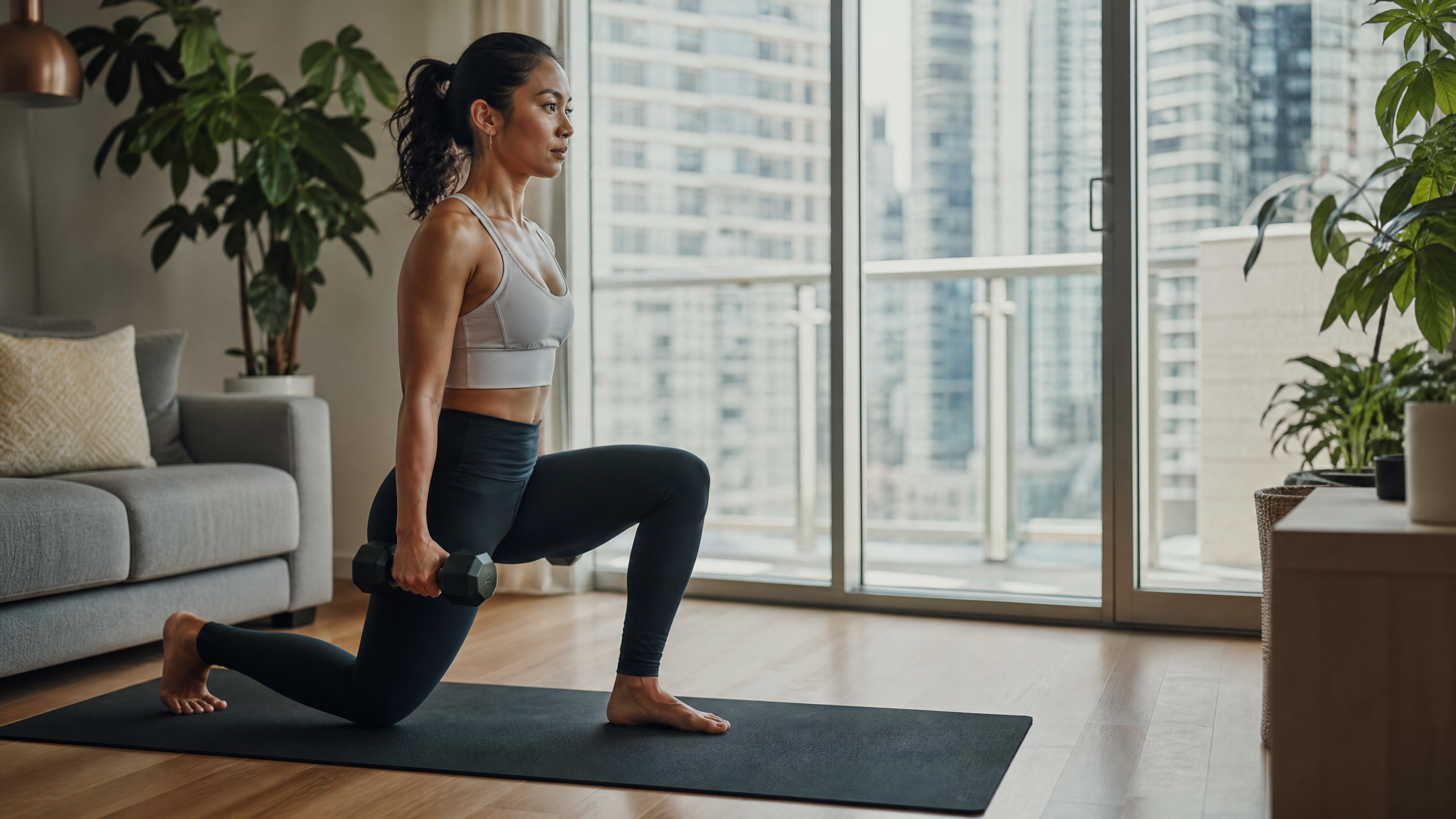

Life in London moves fast. Between long commutes, demanding jobs, family commitments and a packed social calendar, finding time to exercise can feel like just another item on an already overwhelming to-do list. But here is the good news: staying active does not have to mean carving out an hour at the gym every day. With a few simple shifts in your routine, you can weave movement into your life in a way that actually sticks.
Start Small and Build From There
One of the biggest mistakes people make is thinking that if they cannot do a full workout, there is no point doing anything at all. In reality, short bursts of activity throughout the day add up more than you might expect. Ten minutes of movement three times a day is just as beneficial as a single thirty-minute session, according to NHS guidelines. A brisk walk at lunch, a set of squats while waiting for the kettle, or a few minutes of stretching before bed all count.
Make the Most of Your Commute
If you travel by tube or bus, consider getting off one stop early and walking the rest of the way. Even a fifteen-minute walk each way adds up to two and a half hours of movement across a working week. If you cycle to work, even better. London has expanded its cycling infrastructure significantly in recent years, making it a genuinely practical option for many commuters.
Walking is one of the most underrated forms of exercise. It is low impact, free, requires no equipment and fits easily into daily life. More people are already making this shift, with low-impact fitness becoming one of the most popular wellness trends in the UK right now, and it is easy to see why.
If you are planning to walk more regularly, investing in footwear that supports your feet properly makes a real difference. A good pair of women’s comfortable shoes can turn a daily walk from something your feet dread into something they actually enjoy.
Rethink What Counts as Exercise
Exercise does not have to look like a gym session to be effective. Activities you might already be doing can provide real physical benefits:
- Housework gets your heart rate up and keeps you on your feet. Vacuuming, mopping and scrubbing are surprisingly decent forms of light cardio.
- Active errands such as walking to the supermarket, carrying bags home or cycling to pick up dry cleaning all contribute to your daily movement total.
- Playing with children or pets is joyful, spontaneous and often surprisingly tiring. A trip to the park with a dog or a game of tag with young children ticks the activity box without feeling like exercise at all.
- Taking the stairs wherever possible is one of those small habits that, over time, pays off in better cardiovascular health and stronger legs.
Plan Ahead Like You Mean It
When you treat exercise like any other important appointment, it is far more likely to happen. Block out time in your diary at the start of each week, even if it is just two or three sessions. Treat those slots with the same respect you would give a meeting with your manager.
Preparing your workout gear the night before also removes a common barrier. There is something about seeing your trainers by the door in the morning that nudges you towards using them.
Batch cooking healthy meals on a Sunday serves a similar purpose. Fuelling your body well supports your energy levels, which in turn makes it far easier to motivate yourself to move.
Find Activities You Actually Enjoy
Sustainability is everything when it comes to keeping active. If you hate running, do not run. There is no rule that says aerobic exercise has to come in the form of pounding pavements. Dance classes, swimming, yoga, climbing, roller skating, tennis, paddleboarding on the Thames.
When exercise feels like a treat rather than a chore, you stop having to battle your own willpower to do it. Think back to what made you feel physically alive and energised as a child, and explore whether a grown-up version of that exists near you.
Use Technology to Your Advantage
Fitness apps, smartwatch step trackers and online workout videos have made it easier than ever to exercise on your own schedule. A fifteen-minute yoga flow or a quick HIIT session from your living room requires no commute to a gym, no membership fee and no waiting for equipment.
Step counting is a particularly effective motivator for busy people. Setting a daily goal of eight to ten thousand steps and checking in throughout the day keeps you mindful of how much you are moving, and nudges you to take the long route or pop out for a brief walk when you are falling short.
Be Kind to Yourself on the Hard Days
There will be weeks when everything goes sideways, and your best intentions do not translate into action. That is completely normal. The goal is not perfection. It is consistency over time.
Missing a session does not undo your progress. What matters is getting back to it the following day without guilt or drama. The most active people are not necessarily the most disciplined; they are simply the ones who have made movement a habit that feels natural rather than forced.
Start where you are, use what you have, and build from there. Your schedule may be packed, but there is almost always a pocket of time waiting to be filled with something that will make you feel better.