


Night sweating during early pregnancy is an ordinary occurrence that numerous women go through. In this article, reasons why night sweats occur during early pregnancy are discussed, together with measures that can be taken to effectively deal with them. It will explain the hormonal fluctuations, metabolic changes, and other reasons behind this symptom. Practical tips for choosing sleepwear and setting up a relaxing sleep environment to reduce nighttime sweating are also included. Furthermore, beddings that can increase sleeping comfort, like a U-shaped pregnancy pillow, will also be introduced to you!
Understanding the Heat: Why Night Sweats Are a Common Early Symptom
One of the symptoms of early pregnancy is night sweats. It is related to women’s bodily changes. The body’s internal thermostat becomes more sensitive, resulting in increased temperature fluctuations. Consequently, the body may produce more sweat at night as it tries to release heat. Sweating is one of the ways the body maintains its temperature at a constant level. In early pregnancy, this process of cooling may be triggered more often than usual, thus, night sweating. Besides heat regulation, night sweats can be symptoms of other pregnancy complaints, such as increased heart rate and blood flow changes.
The Hormone Connection: How Estrogen and Progesterone Are the Main Culprits
Hormones are a major factor in the cause of sweating at night in early pregnancy. The levels of estrogen and progesterone are escalated dramatically in early pregnancy. These hormones interfere with the brain’s centre for controlling the body’s temperature. Estrogen may cause the blood vessels close to the skin to expand, hence the body will release the heat quickly. Progesterone can raise the resting body temperature, thus women will be warmer even when they rest or sleep. All these hormone changes are the causes of more sweating as the body tries to adjust the internal environment to the new equilibrium. The production of these hormones is normal and essential for a healthy pregnancy, but can cause annoying symptoms like night sweats.
The Metabolism Boost: How Your Body’s Changes Affect Temperature
The metabolism of the mother speeds up to accommodate the baby’s growth and the changes in the mother’s body during early pregnancy. More specifically, a faster metabolism becomes the source of more heat and thus the night sweating. The body is essentially working at a higher rate, and even the energy burning through sleep is higher. Hence, the production of heat adds to the feeling of warmth and sweating. Besides, increased blood flow and the enlarging uterus are contributing factors in the body’s demand for cooling.
Beyond Hormones: Other Factors That Can Worsen Night Sweats
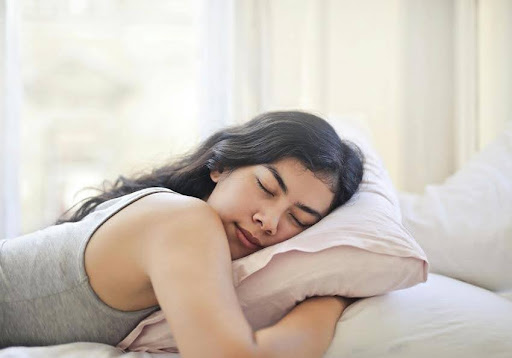
Often, a few minor things that can exacerbate night sweating during early pregnancy are overlooked. For example, an anxiety or stress situation can make one more sweaty because it activates the sweat glands. Spicy food or coffee consumption late in the day can elevate body temperature and make sleep uncomfortable. Also, the atmosphere in the bedroom is important: a room that is too warm and/or uses heavy blankets might trap heat. Apart from that, some diseases and certain medications might lead to an increase in their sweating as well. By understanding these factors, one can be in a better position to control night sweats by avoiding the triggers, if possible.
Finding Relief: Simple Ways to Manage Sweating at Night
In early pregnancy, night sweating can be reduced by several simple measures. Here is an effective list of ways:
- Keep your body hydrated by drinking a lot of water during the day.
- Do not consume heavy meals, spices, or caffeine close to bedtime.
- To relieve tension, try deep breathing, which is a relaxation technique.
- Sleep with cooling kind of bedding, such as cotton bed linen, which is breathable.
- Take a lukewarm bath before going to bed to lower your body temperature. Work on your regular sleep cycle; it will make your body adjust quickly.
Also, bringing in comfort goods such as a U-shaped maternity pillow may help a person to sleep better and regulate their body temperature. The use of this pillow will help one to have the right body position and, at the same time, minimise the heat that is caused by the change of sleeping positions.
The Right Sleepwear: Choosing Fabrics and Layers for a Cooler Night
Proper sleepwear is very necessary if you want to control night sweats during the first trimester. Cotton and bamboo are good materials because they are one hundred per cent natural, and they also keep the skin dry and absorb moisture. On the other hand, using fabrics like polyester that are made from non-natural fibres results in the skin being heated and sweating occurring. The best would be to wear clothes that are light in weight and loose-fitting. The person can also wear more than one garment and thus be able to take off the extra one when feeling too hot. Sleepwear made of breathable fabric assists in keeping the skin dry and cool, and thus the sleep becomes more comfortable.
Creating a Cool Sanctuary: Optimising Your Bedroom Environment
Creating a cool sleep environment can make a big difference in reducing night sweats. Some tips for a cooler bedroom include:
- Use a fan or air conditioning to keep the air moving and cool.
- Keep the room dark and quiet for better sleep quality.
- Choose lightweight bedding like cotton or linen sheets.
- Avoid heavy blankets or comforters that trap heat.
- Open windows if the weather is cool and safe.
- Set the thermostat between 60 and 67 degrees Fahrenheit, the ideal temperature range for sleep.
Simple changes in the bedroom can help regulate body temperature and reduce sweating episodes at night.
When to Call the Doctor: Differentiating Normal Sweats from Other Issues
Read also Fivebpeol
Usually, sweating at night in early pregnancy is normal and harmless. However, it is important to know when to see a doctor. If night sweats are very severe, waking often, or causing discomfort that affects daily life, it is good to get a checkup. Other warning signs include fever, unexplained weight loss, or unusual symptoms like chest pain. These may indicate infections or other health issues that need medical attention. Always trust your instincts and reach out to a healthcare provider if sweating feels abnormal or is causing worry.
Conclusion
Sweating at night in early pregnancy is common and caused mainly by hormonal and metabolic changes. It can be uncomfortable, but it is usually not a sign of anything serious. Managing night sweats involves simple lifestyle changes, choosing the right sleepwear, and creating a cool environment. Using a U-shaped pregnancy pillow can offer added comfort and support for restful sleep. Knowing when to seek medical advice adds peace of mind. With these tips, early pregnancy night sweating can be handled more easily for a better night’s rest.







