

Taiwan will close its representative office in Papua New Guinea and withdraw all of its staff, the foreign ministry said on 6 November, after Port Moresby renewed a demand that the personnel leave by a deadline it had set. The ministry said the closure would also end the technical cooperation, medical missions, scholarships and training that Taiwan had provided from the office.
The decision ends a presence that Taipei had kept in place since July 2026, when Papua New Guinea first announced that the office would shut. Taiwan did not accept that announcement and left the office open, staffed and working. The renewed demand in November, and the ministry’s answer to it, closed the gap between the two positions.
What ends with the office is a set of programmes as well as a channel of contact. Technical cooperation, medical missions, scholarships and training were all administered from Port Moresby, and all four are named in the ministry’s statement as coming to an end. They were, in practice, the relationship: a presence made up of people sent, patients treated, students taught and staff trained, rather than of treaties.
A separate gas decision
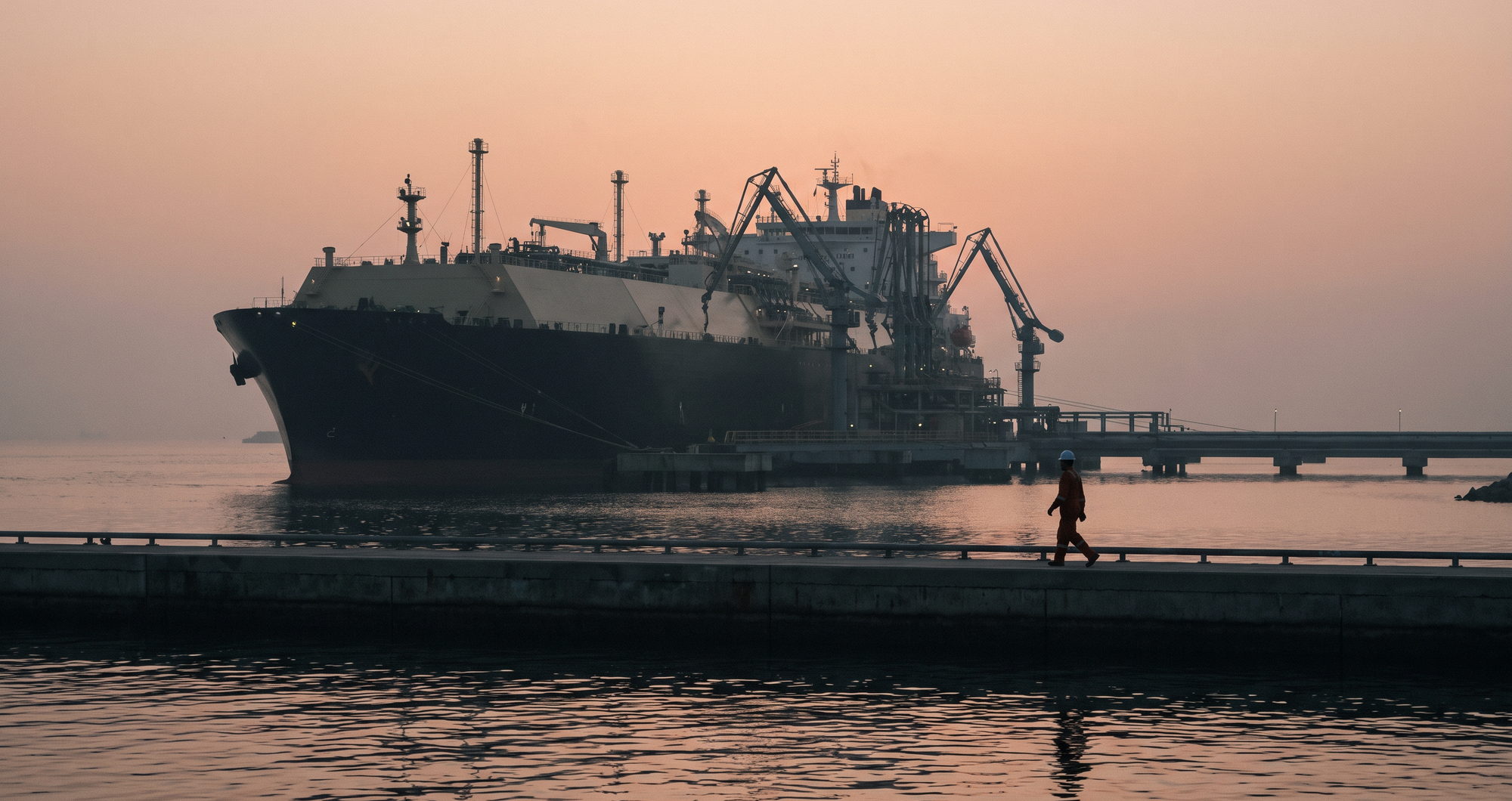
Alongside the diplomatic withdrawal, the ministry said Taiwan would sign no new spot contracts for liquefied natural gas from Papua New Guinea. Taipei had already stopped buying spot cargoes. It had planned about 500,000 tonnes of spot LNG from the country in the first half of 2026.
Spot purchases are made cargo by cargo rather than under a long-term supply contract, so a commitment not to sign new ones concerns future trades rather than gas already delivered. The volume Taipei had planned for the first half of the year gives a measure of what will not now be bought on those terms. The ministry put Taiwanese purchases at about one-third of Papua New Guinea’s LNG exports. On that figure, Taiwan was not a marginal customer but a substantial one, and the ending of spot buying takes a buyer out of the market at short notice.
The two strands are distinct in kind. One concerns representation, staff and aid; the other concerns a commercial relationship in which Taiwan bought gas and Papua New Guinea sold it. They were announced together on 6 November, and the ministry presented them as parts of a single response to the demand that its personnel leave.
Three Pacific partners
Taiwan now has formal ties with 12 countries. Three of them are Pacific states: Palau, Tuvalu and the Marshall Islands. Papua New Guinea is not among the 12, and the Port Moresby office was never an embassy. Its closure therefore removes a working presence without altering the formal count, That count is small enough for each partner to be named.
What happens next
Staff are to be withdrawn and the programmes wound up. The end of the scholarships and the medical missions falls most directly on the students and patients those arrangements served, and on the institutions in Papua New Guinea that hosted them.
On the commercial side, the ministry framed its decision around spot contracts, the cargoes bought outside long-term supply arrangements. The planned 500,000 tonnes in the first half of 2026 will not be taken up as spot purchases, and no further spot contracts will be signed.
The timing was set in Port Moresby rather than in Taipei. The demand renewed in November carried a deadline for the personnel to leave, and the ministry’s announcement came in answer to it rather than on a timetable of Taipei’s choosing.
For Papua New Guinea, the loss of a customer of that size is a matter for its export trade; for Taipei, the loss of the office is a matter of presence. The two run on different clocks. Contracts lapse when they lapse, while a closed office and withdrawn staff are finished on the day the last of them leaves.







