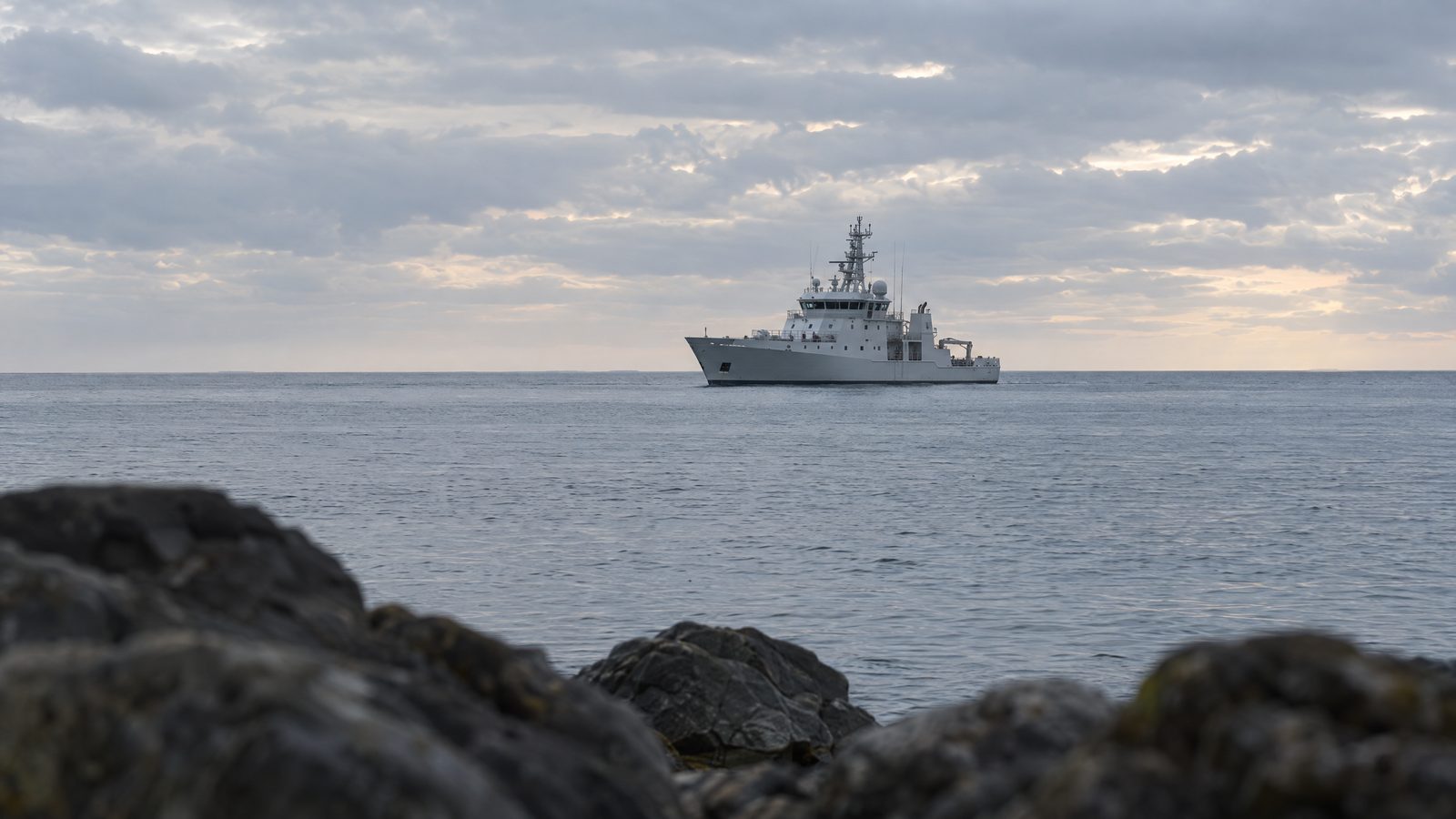

Taiwan is monitoring a Chinese coast-guard patrol in waters off its east coast, with Beijing and Taipei offering opposing accounts of the operation’s legal basis. The activity was announced on 31 October, and Taiwan’s response followed on 1 November. The operational details are limited to a patrol, radio communications and monitoring.
Beijing describes the activity as routine law enforcement in waters under its jurisdiction. Taipei rejects that jurisdictional claim and says the conduct violates international law. Those positions remain assertions by the respective authorities, rather than an agreed description of the status of the waters or a settled legal finding about the patrol.
The locations identified in connection with the activity are waters east of Taiwan and the Pratas Islands area in the northern South China Sea. The specific operation and Taiwan’s response centre on coast-guard activity and its monitoring, with the dispute framed by the two sides’ different positions on jurisdiction.
Neither account describes an exchange of force or casualties. The patrol should therefore not be characterised as an armed confrontation on the basis of the available details. Equally, the presence of radio communications does not establish that force was threatened or used, and monitoring alone does not establish an interception.
The distinction between the activity itself and the claims surrounding it is central to understanding the incident. A patrol, radio communications and monitoring are the operational elements described. Beijing’s characterisation of those actions as routine law enforcement adds its claimed legal basis; Taipei’s response directly disputes that basis.
For Beijing, the description of the patrol rests on its assertion that the waters fall under its jurisdiction. That assertion is not shared by Taipei. Describing the operation simply as law enforcement, without attributing the term, would obscure the disagreement that lies at the centre of the two accounts.
Taipei’s statement that the conduct violates international law is likewise its position on the incident. It is distinct from the narrower operational fact that Taiwan is monitoring the patrol. The legal objection does not, by itself, establish a finding against the Chinese activity or indicate that an exchange of force occurred.
The radio communications form part of the limited description of what happened at sea. No wording of those communications is given. Their inclusion establishes a communications element to the episode, but does not provide a basis for describing demands, warnings or responses beyond the jurisdictional positions separately attributed to Beijing and Taipei.
The timing places the announcement and the Taiwanese response on consecutive dates: 31 October and 1 November. Those dates establish the sequence of the public announcement and response, not a detailed operational timeline. They do not establish when each part of the patrol, communications or monitoring began or ended.
No blockade is established by the details available. Nor is there an established use of force or injury. These limits matter because the sovereignty and security dispute is sensitive, while the described actions remain more narrowly defined than those broader characterisations would suggest.
The episode therefore consists of a specific Chinese coast-guard patrol, radio communications and Taiwanese monitoring, accompanied by a clear disagreement over jurisdiction. Beijing maintains that the activity is routine law enforcement in waters under its jurisdiction; Taipei rejects that claim and calls the conduct a violation of international law. Neither account describes force being exchanged or casualties.