
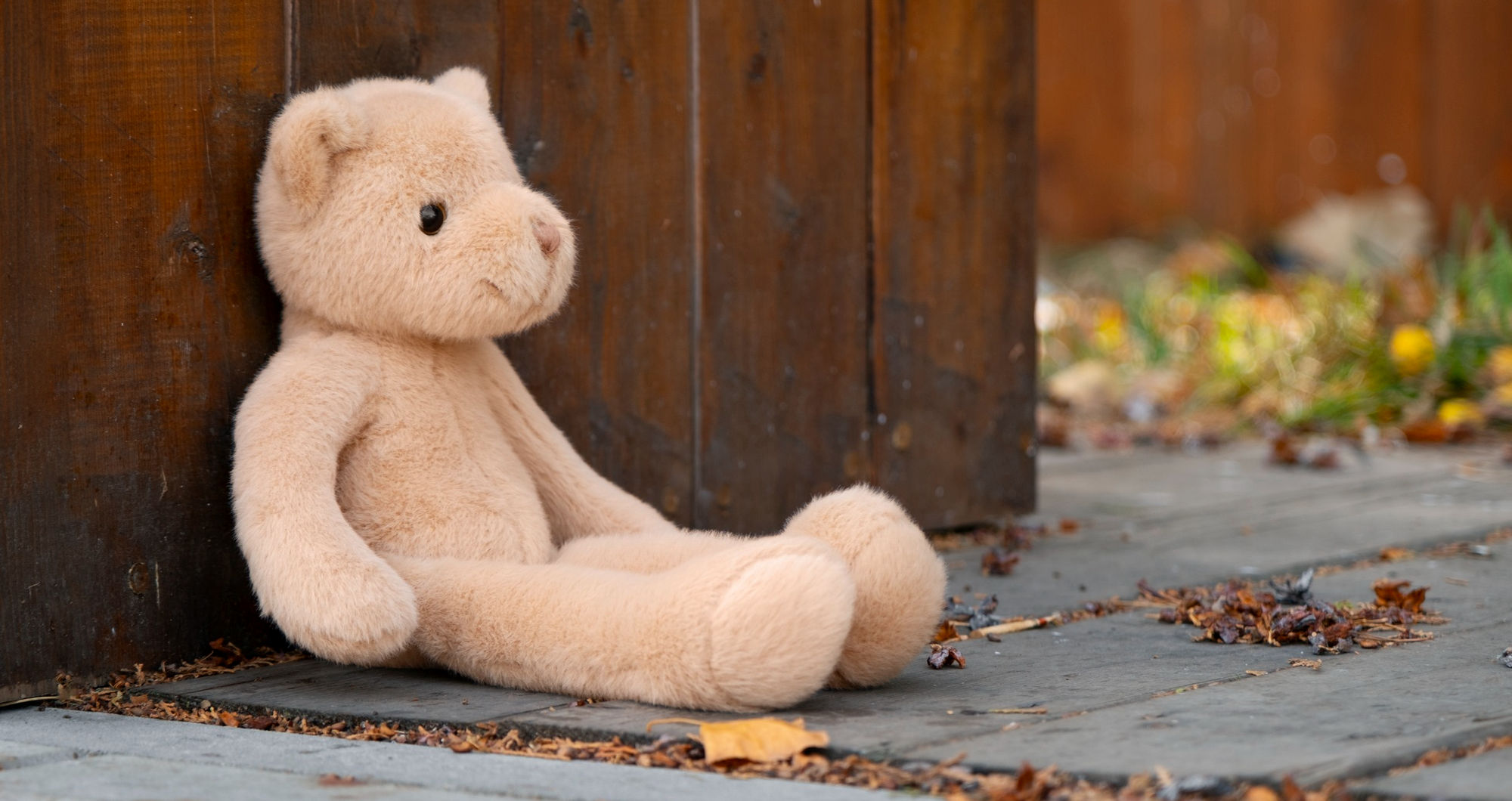

Teddy bears have an ageless quality to them. If you love the thought of creating your own, or you just want to possess a nicely made collectable, teddy bear patterns can be an excellent springboard. From cosy knitted designs to the elegance of Steiff classics, there is a world of options for every bear enthusiast.
Popular Teddy Bear Patterns for Every Craft Style
Teddy bears are found in many shapes and forms, and each pattern would have its allure. There are some that work as a nice winter project, and others are more appropriate for one who enjoys detail work when sewing. Here are two of the most popular crafting styles from which you could draw inspiration for your next creation.
1. Knitting and Crochet Teddy Bear Patterns
For one who enjoys working with yarn, a teddy bear knitting pattern or even a crochet teddy bear pattern can be rewarding and relaxing.
- Knitting results in a neat and uniform appearance, which is very suitable for the most traditional bear shape.
- Crochet adds much more texture and creative shapes, and is thus very good for playful designs.
Pro Tip: Use soft yet durable yarn along with safety eyes to make the bear equally huggable and also child-safe.
2. Sewing and Fabric Teddy Bear Patterns
For fabric-based craft enthusiasts, there are endless possibilities with a teddy bear sewing pattern. You can use plush, felt, or cotton as per your style.
- A soft finish cuddle completes the plush fabric.
- Cotton or felt would also work fine for decorative bears.
- A sewn teddy bear pattern is ideal for custom gifts and memory bears.
Pro Tip: Be sure to cut your fabric pieces accurately and pin them prior to sewing. This will help maintain the shape of the bear.
Teddy Bear: Step-by-Step Instructions for Making
It may sound difficult to make a teddy bear, but it is easy and fun once you break down the steps. Here are the steps for creating your bear.
1. Materials and Tools Needed
We recommend collecting all of your materials to start so that you can work without interruptions!
You will need:
- Fabric or yarn (depending on the pattern you decide to use);
- Stuffing, such as polyester stuffing;
- Needle and thread or sewing machine;
- Scissors;
- Pins or clips;
- Safety or child-friendly eyes or embroidered;
Tip: If you are a beginner, be sure to pick up something soft and forgiving, such as fleece or cotton; these are much easier to work with than slippery plush.
2. Cutting, sewing, and putting the bear together
Once you have your stuff, stick to your pattern pieces closely.
- Cut the fabric or knitted pieces according to the pattern.
- Sew the pieces together and leave a small opening for stuffing.
- Stuff each part, head, body, arms, and legs so that it is firm but squeezable.
- Join the parts, starting with the head to the body, and attach the limbs.
Tip: Lightly stuffing before fully sewing makes it easier to shape.
3. Adding Face Details and Finishing Touches
This is where your bear gets its personality.
- Sew on the eyes, nose, and mouth, or embroider them for a safer finish.
- Add accessories like a ribbon, scarf, or small jumper.
- Give the bear a final fluff and check for loose threads.
Tip: Small details make a big difference. Take your time with the face so your bear feels full of character.
Where to Find Quality Teddy Bear Patterns Online
Finding the right pattern can make all the difference in how your bear turns out. Luckily, there are plenty of great sources online, whether you are looking for free teddy bear knitting patterns or premium, professionally designed templates.
Common options to investigate:
- Craft blogs and forums: There are many craft blogs in the UK that provide step-by-step instructions and downloadable patterns for free.
- Online marketplaces: You can find a wide selection of patterns, from beginner level to more advanced collector pieces, on platforms like Etsy.
- Craft supply websites: UK fabric and yarn stores often have a free downloads section with seasonal teddy bear patterns.
- Steiff design inspiration: Despite the fact that Steiff patterns are not available to the public, there are many more classic bear shapes, facial features, and fabric selections to emulate in order to create a timeless appearance.
Tip: If you are a novice, do a simple, free pattern first to get a handle on things before you spend too much money on a more complex pattern.
Conclusion: From Handmade Bears to Steiff Collectables
Making your own teddy bear is such a fulfilling experience, from selecting a pattern, sewing, stuffing, and putting in the final details that give your teddy a personality. Getting involved in a simple DIY project can provide a lot of happiness and satisfaction.
For those who admire great craftsmanship but would just rather purchase one, Steiff bears are a classic option. The craftsmanship, fabrics, and designs are collectables. Their exceptional quality, premium materials, and timeless designs make them true collectables. And if you love working on creative projects or managing your time efficiently, tools like Calculadora Online can help you plan, calculate materials, and organise your crafting budget effortlessly — making every project smoother and more enjoyable.
Whether you are crafting your first bear or admiring the elegance of a Steiff, there is a teddy bear for everyone. Explore the Steiff collection and find a bear that captures your heart.
FAQs:
1. What is the simplest teddy bear pattern for beginners?
For beginners, the easiest accessible patterns are knitted or sewn from soft fabrics like fleece or cotton. The patterns are fewer cut pieces and come with easy stitching instructions.
2. How can I find free teddy bear knitting patterns in the UK?
You will get some free teddy bear knitting patterns from UK-based craft blogs, forums, and some online marketplaces. Most of these websites have downloadable PDF patterns for beginners.
3. Can I use a Steiff design as a model for my homemade bear?
Of course! Steiff’s traditional bears are great references for shape, facial features, and proportions. Just make sure that you create your design and that you will not be tracing over their exact pattern.
Feature Image from freepik







