
There is a different side to Tenerife once the pace of summer begins to fade. On the island’s west coast, winter is less about chasing the hottest day and more about making the most of the outdoors: breakfast overlooking the Atlantic, walks along volcanic shores, afternoons by the water and sunsets that seem to take over the horizon.
For British travellers considering Tenerife winter sun, this quieter rhythm is part of the appeal. The island remains a natural choice for a winter break, but looking beyond its best-known resort areas reveals a coastline where dramatic scenery, small seaside towns and the Atlantic shape the experience.
Why look west?
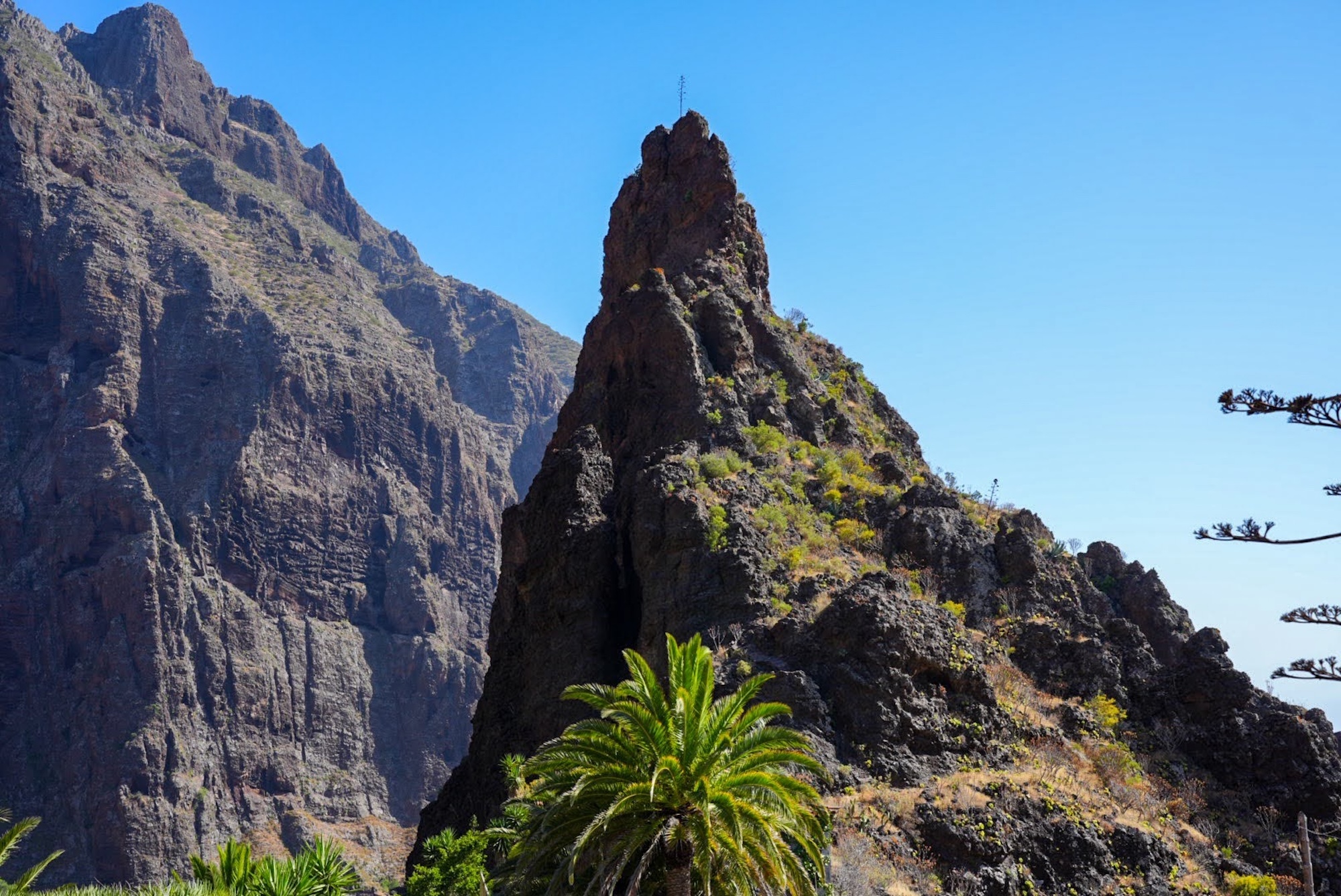
Tenerife’s geography means that travelling a relatively short distance can completely change the landscape. The west of the island feels particularly distinctive. Here, dark volcanic rock meets the ocean, banana plantations cover sections of the hillsides and the enormous cliffs of Los Gigantes rise almost vertically from the sea.
The Tenerife west coast is home to places such as Puerto de Santiago, Playa de la Arena and Los Gigantes. Rather than being defined by one major attraction, the area works as a collection of coastal experiences: viewpoints over the Atlantic, black-sand beaches, restaurants by the sea and walking routes where the ocean is rarely out of sight.
It is also one of the quieter areas of the island, particularly away from the busiest resort centres. A morning might begin with a swim or a walk along the coast, followed by lunch overlooking the water and an afternoon with no particular agenda. As the sun drops towards La Gomera, the west-facing coastline comes into its own.
A few practical things to know
The west coast is relatively easy to explore, although having a car can be useful if you want to visit several places in one day or venture further into the surrounding countryside. The main coastal towns are connected by roads and local buses, while organised excursions and boat trips are also available from popular areas such as Los Gigantes.
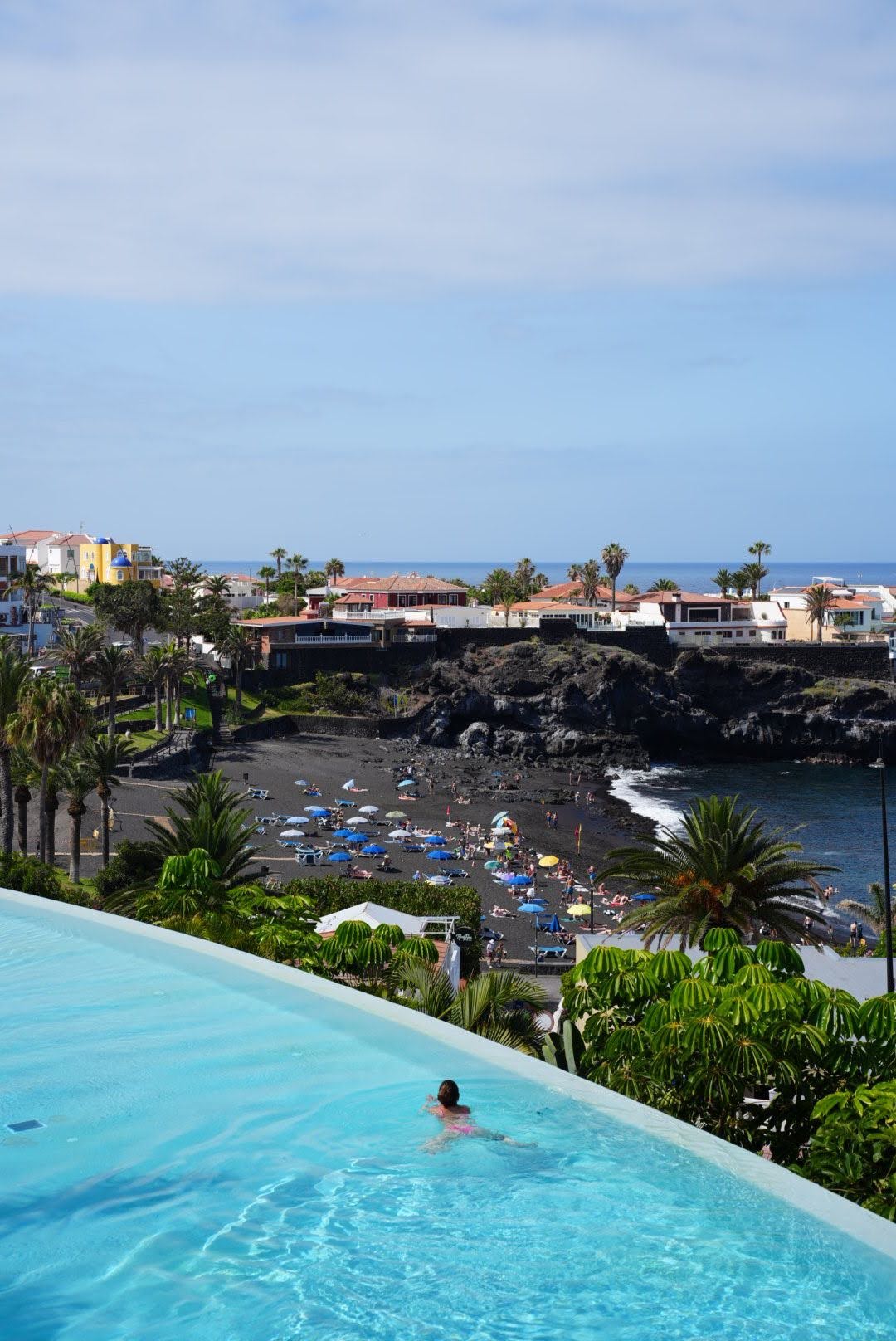
The coastline itself is varied. Playa de la Arena is known for its distinctive black volcanic sand, while smaller coves and natural swimming areas can be found along the coast. Conditions can vary depending on the location and time of year, so it is always worth checking local signs and advice before swimming.
For walkers, the area around Los Gigantes and the nearby Teno Rural Park offers opportunities to explore beyond the beaches. Comfortable footwear, sun protection and plenty of water are useful additions, even in winter. Although temperatures are generally mild, the sun can still be strong during the middle of the day.
November changes the way you experience the island
Summer naturally lends itself to long beach days. Visiting Tenerife in November, however, opens up more possibilities for exploring the island itself.
Mount Teide and its volcanic surroundings offer an extraordinary contrast to the coast, while villages and historic towns provide a glimpse of Tenerife beyond its beaches. Closer to the west, the Teno Rural Park introduces another landscape of ravines, mountains and winding roads.
The ocean is equally important. The waters between Tenerife and La Gomera are known for their marine life, and boat trips from the Los Gigantes area offer a chance to experience the coastline from an entirely different perspective. Depending on sea conditions, excursions can include opportunities to see whales and dolphins in their natural environment.
The result is a winter holiday that does not need to revolve around doing very much at all, but leaves plenty to do when the mood strikes.
Staying close to the Atlantic
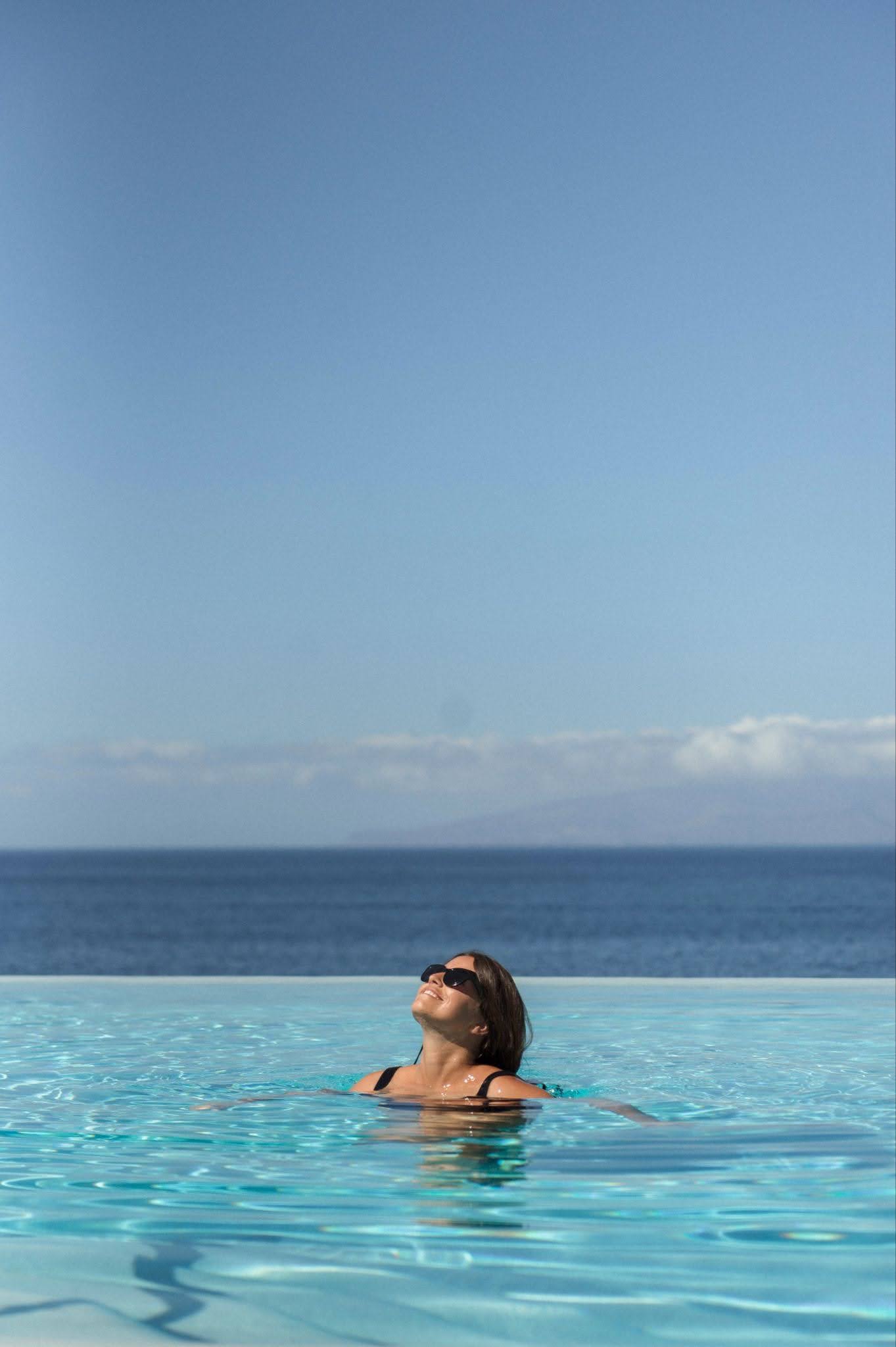
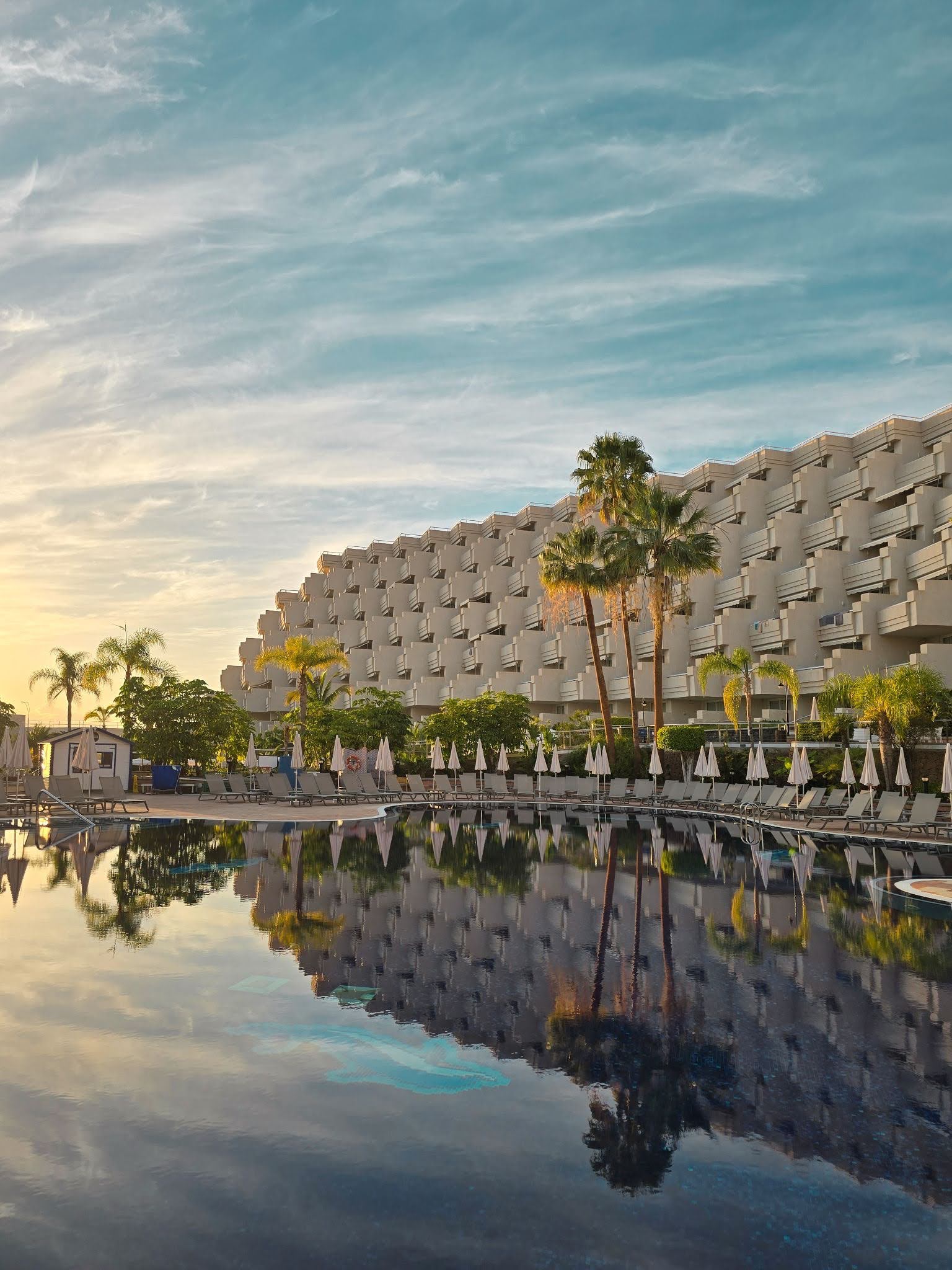
Where you stay can reinforce that sense of place. In Puerto de Santiago, Landmar Playa La Arena takes its identity from its relationship with the ocean. Rather than functioning simply as a base for exploring the island, the hotel is designed around the idea of slowing down and enjoying Tenerife from the water’s edge.
As an oceanfront hotel in Tenerife, its location places the Atlantic at the centre of the stay. From here, the west coast becomes easy to enjoy at your own pace, whether that means heading out to explore nearby beaches and viewpoints, joining a boat trip from Los Gigantes or simply watching the changing light over the ocean.
For travellers looking for winter sunshine with a different pace, Tenerife’s west coast offers a combination that is difficult to replicate: volcanic landscapes, Atlantic views, mild winter weather and the feeling of being close to nature, while still having everything needed for a comfortable break nearby.
Rather than avoiding the island’s popular areas altogether, the appeal lies in discovering a quieter corner of Tenerife and using it as a starting point for exploring everything the west has to offer.