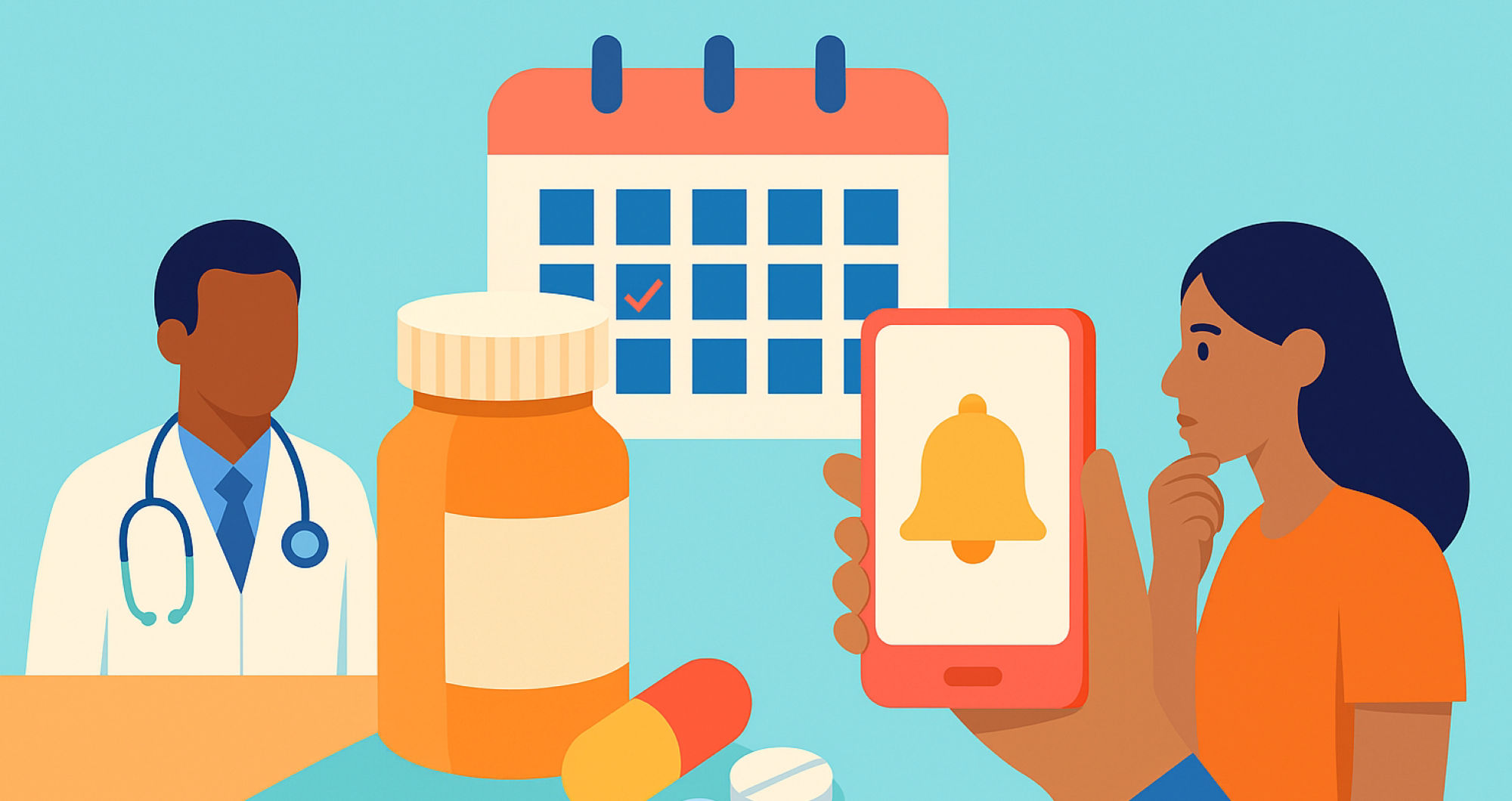

Despite all the medical advances in recent decades, one persistent issue continues to undermine patient outcomes: medication non-adherence. No matter how effective a treatment is, it can only help if the patient actually follows the prescribed regimen.
Yet studies consistently show that up to 50% of patients suffering from chronic diseases fail to take medications as directed(1). The consequences are serious: increased hospital admissions, worsening of chronic conditions, and higher healthcare costs.
That’s why effective medication adherence solutions are more essential than ever. From digital tools to behavioural support systems, the latest approaches are helping healthcare providers close the gap between prescription and actual patient behaviour. However, first, we need to understand the root causes and address them directly.
Why Medication Adherence Remains a Global Challenge
Medication adherence isn’t just a patient problem, but a global healthcare crisis. The World Health Organisation considers improving adherence more impactful than any new treatment.
The reasons are complex and interconnected:
- Chronic diseases often lack immediate symptoms, making it harder for patients to feel motivated.
- Long-term regimens feel overwhelming, especially when patients must manage multiple medications.
- In many countries, socioeconomic factors such as affordability, access, and education create structural barriers to adherence.
- Even in high-income settings, fragmented care systems and a lack of follow-up contribute to missed doses and treatment drop-offs.
Healthcare systems pay a high price, and beyond the cost, the human impact is undeniable: lower quality of life, avoidable disease progression, and higher mortality rates.
In short, the challenge is real, urgent, and global, but it’s not unsolvable.
Common Barriers Faced by Patients
To build effective medication adherence solutions, we must first understand the challenges patients face. These barriers often fall into five main categories:
1. Practical and Financial Obstacles
- High medication costs deter patients from filling or continuing prescriptions.
- Transportation issues or long pharmacy wait times create friction in accessing medications.
- Complex regimens (multiple doses, strict timing, or fasting requirements) can be hard to manage, especially for the elderly or those with busy lifestyles.
2. Lack of Understanding or Information
- Some patients stop treatment because they feel better and don’t understand the need to complete a full course (common with antibiotics or asthma meds);
- Confusing instructions or medical jargon leads to misuse or skipped doses.
- Patients may not realise that stopping a medication—even briefly—can impact outcomes or trigger resistance.
3. Psychological and Emotional Resistance
- Side effects, or the fear of them, discourage continued use;
- Stigma associated with certain medications (like antidepressants or HIV treatments) can cause patients to hide or avoid their use;
- Patients with mental health issues such as depression often struggle with the motivation to take medication regularly.
4. Forgetfulness and Distraction
- This is one of the most common reasons for missed doses, particularly for working adults or older patients with cognitive decline.
- Even when patients are committed to their treatment, daily distractions can interfere without consistent reminders or cues.
5. Lack of Perceived Benefit
- Chronic disease treatments often don’t produce immediate effects.
- If a medication doesn’t make someone “feel better,” they may question whether it’s worth taking;
- When treatment isn’t personalised, patients may not feel engaged or empowered.
The takeaway? Adherence isn’t just about willpower; it’s a behaviour shaped by many influences. That’s where healthcare professionals come in.
The Role of Healthcare Providers in Overcoming Obstacles
 Healthcare providers are a key part of the solution. Their relationships with patients, communication style, and clinical decisions all influence adherence.
Here’s how providers can help close the gap:
1. Build Trust and Clear Communication
- Taking the time to explain why a medication is needed, what outcomes to expect, and what side effects to look for is crucial.
- Providers who encourage open conversation—including fears and doubts—are more likely to uncover hidden barriers;
- Using plain language, visual aids, or even digital explainer tools can dramatically improve patient understanding.
2. Personalise Treatment Plans
- Where possible, simplify dosing schedules or recommend combination therapies to reduce pill burden.
- Consider the patient’s lifestyle when choosing formulations: once-daily pills, patches, injectables, or digital pills may fit better into different routines.
- Discussing preferences and goals with patients fosters shared decision-making, which has been shown to improve adherence.
3. Monitor and Follow Up
- Regular check-ins (in person or digitally) allow providers to track adherence and adjust treatments early.
- Using data-driven insights from digital adherence tools can alert clinicians when a patient may be at risk of dropping off treatment.
- A quick phone call or app-based message can re-engage a patient before a non-adherence issue escalates.
4. Empower with Education and Tools
- Teaching patients about their conditions and treatment options—beyond the prescription slip—builds self-confidence and ownership;
- Encouraging the use of digital adherence aids, support groups, or mobile apps can offer additional motivation outside the clinic.
Ultimately, the more involved patients feel in their treatment, the more likely they are to stick with it.
Digital and Behavioural Solutions to Improve Adherence
Technology is revolutionising how we tackle non-adherence. Today’s medication adherence solutions are smarter, more user-friendly, and often behaviorally driven.
Here are some of the most promising innovations:
1. Digital Reminders and Smart Packaging
- Mobile apps that send custom medication alerts are simple but powerful;
- Smart pill bottles or blister packs can track openings and send real-time data to caregivers or providers.
- Connected devices can even issue alerts when doses are missed, enabling timely intervention.
2. Habit-Building Behavioural Tools
- Some digital platforms use behavioural science techniques like positive reinforcement, habit stacking, or gamification to make adherence feel rewarding.
- Examples include digital streak counters, small rewards, or even AI-driven motivational messages.
- These approaches turn routines into habits, which are crucial for long-term success.
3. Remote Monitoring and Predictive Analytics
- Platforms that track medication intake, vital signs, or symptoms can help providers understand the full picture of patient behaviour.
- AI algorithms can now identify at-risk patients based on patterns and trigger proactive outreach.
- These tools reduce guesswork and allow care teams to tailor support precisely when and where it’s needed.
4. Education and Engagement Platforms
- Platforms that combine medication tracking with condition-specific content empower patients with knowledge and context.
- Personalised video explanations, FAQs, or interactive tools help reduce fear and confusion.
- Some even integrate telehealth check-ins or automated Q&As to offer just-in-time support.
5. Integrated Care Pathways
- The best results happen when digital tools, provider workflows, and patient behaviour are interconnected.
- Solutions that integrate with EHRs, pharmacies, and care teams allow for seamless data sharing, fewer gaps, and better outcomes.
- Ultimately, adherence is most successful when it’s part of a broader care ecosystem, not an isolated task.
When the right tools meet real-life needs, staying on track doesn’t just get easier; it becomes natural. That’s the power of combining thoughtful design with behavioural insight: it transforms adherence from a burden into a built-in part of daily life.
From Prescription to Participation
It’s time to rethink how we talk about medication adherence solutions. Instead of treating them as a checklist, we need to see them as something far more human: a shared process of trust, understanding, and participation. When a patient fails to follow a prescribed treatment, it’s rarely because they don’t care. More often, it’s because no one took the time to show them why it matters or gave them the right tools to succeed.
Medication adherence breaks down when the system emphasises compliance over connection. We can’t rely on outdated assumptions or blame patients for “non-compliance” when the care experience itself isn’t designed to support success.
To move forward, we need smarter interventions. Not just more reminders, but better ones—tools that fit into real lives and speak to human behaviour.
At its core, improving adherence isn’t about pills; it’s about people. And when we design with people in mind, that’s when true progress happens.
Sources: