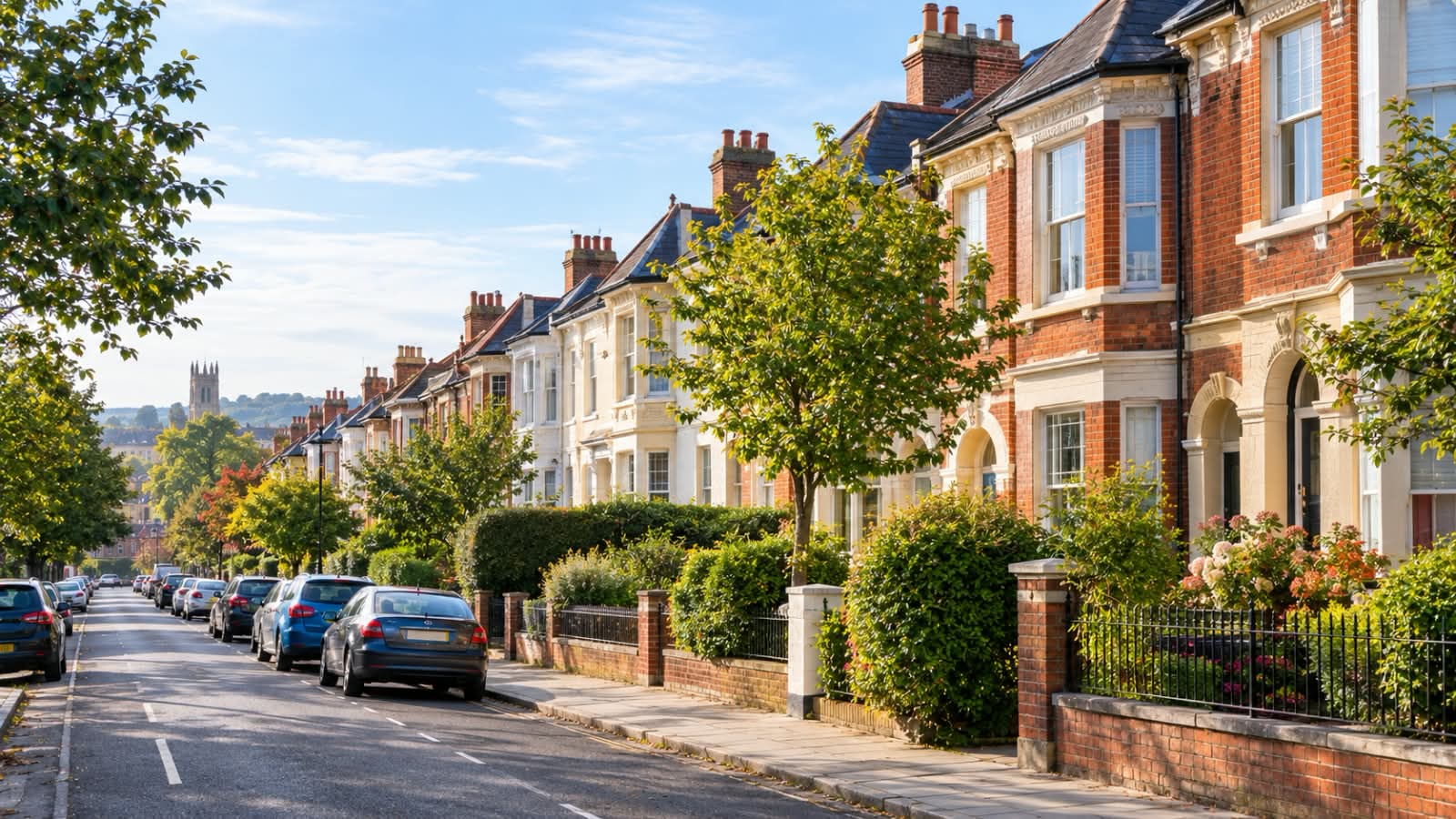

Choosing where to live in Exeter involves more than finding a property that fits your budget. The city’s neighbourhoods differ noticeably in housing, pace of life, transport links and access to green space. A family will usually prioritise schools and outdoor space, a professional will focus on commuting and city-centre access, and a retiree is more likely to value healthcare, walkability and a home that is easy to maintain.
The right choice depends on your household, your daily routine and your plans for the future. Before deciding, it is worth visiting an area on an ordinary weekday as well as at the weekend to see how it really works.
What Makes an Exeter Area Suitable for Different Lifestyles?
Location, property type and access to amenities are the most useful starting points. Professional estate agents in Exeter can provide local insight into the properties and neighbourhoods available. Alongside their advice, think about how far you need to travel for work, education, healthcare, shopping and leisure, and whether you prefer an established residential street, a city-centre setting or a community on the edge of the city.
Exeter is compact, but it is also hilly and divided by the River Exe. Areas such as St Thomas, Exwick and Alphington sit on the western side of the river, while Heavitree, Whipton, Pinhoe and Newtown lie to the east of the centre. Pennsylvania rises to the north towards the University of Exeter’s Streatham Campus, and Topsham sits to the south-east on the Exe estuary.
Best Areas in Exeter for Families
Families generally need to balance space with access to schools, parks, shops and transport. Heavitree, Pinhoe, Alphington, Exwick and Whipton each offer a different mix of these.
Heavitree is one of Exeter’s best-established residential areas, with its own high street on Fore Street and a good range of everyday shops and services. Heavitree Park and the wider Ludwell Valley Park provide green space nearby, and the Royal Devon and Exeter Hospital at Wonford is close at hand. Housing ranges from Victorian terraces to larger semi-detached family homes.
Pinhoe, on the north-eastern edge of the city, combines an older village core with substantial newer development. This gives families the choice of modern homes with gardens and parking. Pinhoe also has its own railway station and quick road access to the M5 and A30, which suits parents who commute beyond the city.
Alphington keeps much of its village character despite being part of Exeter. It sits close to the Riverside Valley Park, which offers riverside walking and cycling routes, and Marsh Barton station, opened in 2023, has improved its rail connections.
Exwick, on the hillside west of the river, offers a mix of family housing with easy access to the Riverside Valley Park and cycle routes into the city centre. Whipton, to the east, has a practical mix of post-war and older homes, local shops and access to Polsloe Bridge station, and it is often worth a look for families wanting more space within the city.
School places in Exeter are allocated through Devon County Council, and catchment arrangements can change. Families should check current catchment areas and admission information directly before committing to a property.
Best Areas in Exeter for Professionals
For professionals, commuting time and access to leisure facilities often decide the matter. The city centre, Newtown, Pennsylvania and St Thomas each offer a different take on city living.
Exeter city centre suits people who want everything on the doorstep: the Princesshay shopping area, the cathedral, the Royal Albert Memorial Museum, Northernhay Gardens, restaurants and the historic Quay. Accommodation is mainly apartments and converted buildings, and the character can change considerably from one street to the next.
Newtown, just east of the centre, is made up largely of terraced streets within walking distance of shops, restaurants and Belmont Park. It is also close to St James Park station, making it a convenient choice for anyone who wants a short walk into town and good transport links without living in the centre itself.
Pennsylvania is one of the city’s more sought-after residential areas, with larger detached and semi-detached homes, elevated views and easy access to the university and Duryard Valley Park. It is particularly relevant for academics, university staff and professionals who want more space.
St Thomas, west of the river, has its own shopping street on Cowick Street, a local railway station and a mix of terraced and semi-detached housing. It offers good value for professionals who want to walk or cycle into the centre.
For longer-distance commuting, Exeter St Davids is the main station, with direct services to London Paddington and Bristol, while Exeter Central is the most convenient for the city centre. Always check current routes and timetables if commuting will shape your choice of property.
Best Areas in Exeter for Retirees
Retirees and people planning a lower-maintenance lifestyle tend to prioritise walkability, healthcare, local shops, public transport and community facilities. Topsham, St Leonards and the city centre stand out for different reasons.
Topsham is a historic town on the Exe estuary with its own independent shops, cafés and pubs along Fore Street. Estuary walks, the RSPB’s Bowling Green Marsh reserve and a strong local community give it a distinctive character, and Topsham station provides rail links to both central Exeter and Exmouth.
St Leonards is known for its Regency and Victorian homes and tree-lined streets. The independent shops on Magdalen Road and a largely flat walk into the city centre make it a comfortable choice for those who want to stay close to amenities while living in a quieter residential setting.
City-centre apartments can also suit retirees who prefer shops, healthcare and cultural venues within a short walk and do not want a garden to look after, although the centre is naturally busier than the suburbs.
It is also worth thinking beyond the immediate property. A home that is convenient today may become less suitable if mobility, maintenance needs or access to services change in the future, so consider stairs, parking, gradients and the distance to a GP surgery or pharmacy.
Exeter Areas with Different Property Styles
Property styles vary considerably across Exeter. St Leonards and parts of Heavitree and Newtown are known for period homes, including Regency and Victorian properties. Pennsylvania offers larger detached and semi-detached houses, while the city centre is dominated by apartments and conversions.
Newer developments are concentrated on the edges of the city, particularly around Pinhoe and other expanding areas to the east. These appeal to buyers who want modern layouts, energy efficiency and lower maintenance, although individual developments should be assessed for their location, facilities and any ongoing service charges.
Rather than choosing an area purely on reputation, compare the actual properties available against your requirements for space, storage, outdoor areas, accessibility and maintenance.
Transport and Connectivity Across Exeter
Exeter is better served by rail than many cities of its size. As well as Exeter St Davids and Exeter Central, several neighbourhoods have their own local stations, including Pinhoe, Polsloe Bridge, St James Park, St Thomas, Topsham and Marsh Barton. Road connections give access to the M5 and A30, and Exeter Airport lies just east of the city.
Walking and cycling can also shape which neighbourhood works best. A property that looks close to a destination on a map may feel very different once you account for hills, river crossings and traffic, so try the route you would use every day. Bus routes can change, so check current services before committing to a property based on a particular connection.
How to Choose the Right Exeter Neighbourhood for You
When comparing homes in Exeter, build a practical checklist around your normal routine.
Families may prioritise:
- Number of bedrooms and available outdoor space
- Schools and education facilities
- Parks and walking areas
- Local shops and everyday services
- Healthcare and community facilities
- Commuting arrangements for parents
Professionals may prioritise:
- Access to workplaces and the city centre
- Railway and public transport connections
- Walking and cycling options
- Restaurants, cafés and leisure facilities
- Proximity to the University of Exeter or other institutions
- Apartments or other lower-maintenance property types
Retirees may prioritise:
- Healthcare and essential services
- Walkability and local shops
- Public transport
- Green spaces and community facilities
- Property maintenance requirements
- Convenient access to central Exeter
These are general considerations rather than fixed rules. A family may prefer city-centre living, a professional may want a larger suburban home, and a retiree may value being close to a railway station. Your own circumstances should guide the comparison.
Conclusion
There is no single best area of Exeter for every household. Heavitree, Pinhoe and Alphington stand out for families, Newtown, Pennsylvania and the city centre for professionals, and Topsham and St Leonards for retirees, while Exwick, Whipton and St Thomas offer practical alternatives with good access to the centre.
The most suitable neighbourhood will depend on your priorities, from space and schools to commuting, healthcare and maintenance. Visiting several areas at different times of day, checking current local information and comparing individual properties will help you choose a home that fits the way you actually live.