

PR stunts remain one of the most powerful tools for breaking through the noise when every day we’re flooded with advertisements and brand messaging. When executed well, they can spark conversation, drive headlines, and turn a brand into a talking point overnight.
PR stunts have always been about captivating the public’s imagination, and when done right, they can turn a moment into a movement. But not every attempt lands perfectly. Some stunts soar; others stumble spectacularly.
Here’s a look at why PR stunts work, the types that exist, and some of the best and worst examples of recent years.
Why PR Stunts Are So Effective
A well-executed stunt stands out because it disrupts the ordinary. In a saturated marketing landscape, creativity and surprise are currency. The most effective stunts don’t just promote a product; they create a moment of cultural relevance.
PR stunts have viral potential. And this is a crucial factor in the social media era. A memorable stunt can reach a global audience within hours, amplified by journalists, influencers, and the public alike. Media outlets love a good story, especially one with humour, shock value, or visual flair, meaning even small ideas can snowball into worldwide coverage.
They also boost engagement and brand recall. It could be via public participation, emotional storytelling, or clever humour. PR stunts encourage audiences to connect with the brand on a personal level. The result? A lasting impression that traditional ads rarely achieve.
The Many Faces of PR Stunts
Not all stunts share the same purpose or style. A digital PR agency or internal team might choose between several approaches depending on the brand’s goals, target audience, and tone of voice. Common types include:
- Guerrilla Marketing: Low-cost, high-impact ideas that surprise people in public spaces, such as artwork or pop-up installations.
- Flash Mobs: Coordinated performances that create buzz through surprise and shareability.
- Publicity Stunts: Larger-scale events designed for newsworthiness, like floating an installation down the Thames or sending something into space.
- Celebrity Endorsements: Leveraging famous faces to generate attention and credibility.
- Product Launch Events: Grand unveilings designed to build anticipation and excitement.
Each type serves a different purpose, but all rely on timing, creativity, and alignment with brand values.
The Most Successful PR Stunts
Red Bull Stratos (2012)
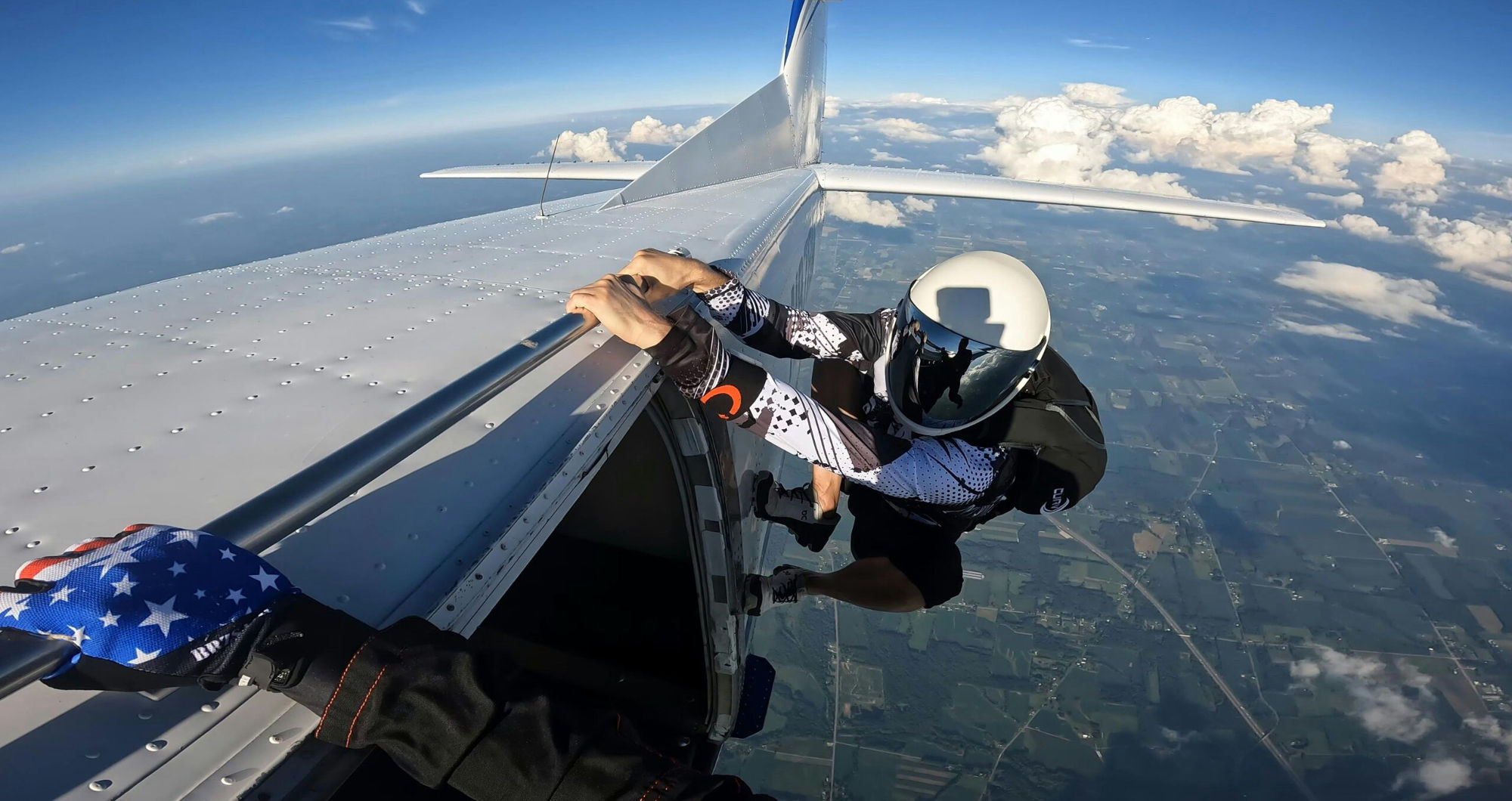
In 2012, Red Bull sponsored Austrian skydiver Felix Baumgartner’s jump from the edge of space. He ascended 128,000 feet in a helium balloon before free-falling back to Earth, breaking the sound barrier.
Why it worked:
It perfectly reflected Red Bull’s adventurous spirit and slogan, “Red Bull gives you wings.” The event was streamed on YouTube live and more than eight million people tuned in while it ultimately generated huge global media coverage. It was daring, original, and scientifically fascinating.
Barbiecore Goes Global (2023)
The marketing campaign for the Barbie film turned the world pink. From themed buses and shopfronts to a Malibu Dreamhouse on Airbnb, every detail contributed to a full cultural takeover.
Why it worked:
The campaign tapped into existing affection for the brand while feeling fresh and relevant. By creating an entire world around the film, it became more than just a marketing push; it became an event.
IKEA’s Sleepover Event (2011)
When a Facebook group called “I wanna have a sleepover in IKEA” gained thousands of members, IKEA decided to make it happen. Fans were invited to spend a night in-store, with activities, treats, and bedtime stories.
Why it worked:
The event celebrated customer enthusiasm while showcasing IKEA products in a relatable setting. The result was wide media coverage and a boost in brand loyalty.
ALS Ice Bucket Challenge (2014)
This viral campaign encouraged people to pour a bucket of ice water over their heads to raise money and awareness for motor neurone disease. Participants of every background nominated friends to take part after videoing themselves pouring the bucket, including celebrities and public figures, which helped it gain widespread traction.
Why it worked:
The campaign raised more than $115 million for charity and highlighted how collective engagement can create real-world impact.
When PR Stunts Miss the Mark
Pepsi’s Kendall Jenner Protest Ad (2017)
Pepsi attempted to position itself as a symbol of unity during social unrest, but the ad was criticised for trivialising serious social issues.
Why it failed:
It felt insincere and misjudged the cultural mood. By centring the brand rather than the message, Pepsi alienated audiences instead of inspiring them.
Burger King’s “Women Belong in the Kitchen” Tweet (2021)
On International Women’s Day, Burger King UK tweeted “Women belong in the kitchen” to highlight gender inequality in the food industry. Unfortunately, the message caused outrage before the follow-up explanation was seen.
Why it failed:
The shock tactic overshadowed the message. Timing and clarity are crucial, and this example showed how easily context can be lost on social media.
Walkers’ Selfie Bot Mishap (2017)
Walkers asked fans to upload selfies for a prize, but pranksters sent in photos of notorious criminals. The automated system featured the images in branded videos shared online.
Why it failed:
There was no human moderation. The engagement activity originally set became a lesson in the risks of relying solely on automation in public-facing campaigns.
The Challenges Behind PR Stunts
While PR stunts can deliver exceptional results, they also come with risks. Misjudging tone or execution can lead to embarrassment or reputational harm. To succeed, a stunt should:
- Reflect the brand’s core values and purpose.
- Be original, relevant, and thoroughly researched.
- Include a detailed contingency plan for unexpected outcomes.
- Focus on strong execution and social media amplification.
- Measure performance through engagement, media coverage, and audience sentiment.
Final Thoughts
The best PR stunts usually have utilised flairs in creativity, timing, and authenticity. Whether it is Red Bull’s leap from space or Greggs’ playful humour, successful campaigns make audiences feel something genuine.
When planned carefully, PR stunts are more than marketing tricks; they are storytelling moments that live in public memory. They work because they break routine, invite participation, and give people something worth sharing. When brands strike that balance, a simple idea can become a lasting part of popular culture – and whether you’re a global brand or a niche pet digital PR agency, the principles remain exactly the same.
Feature image by YuMa on Pexels.







