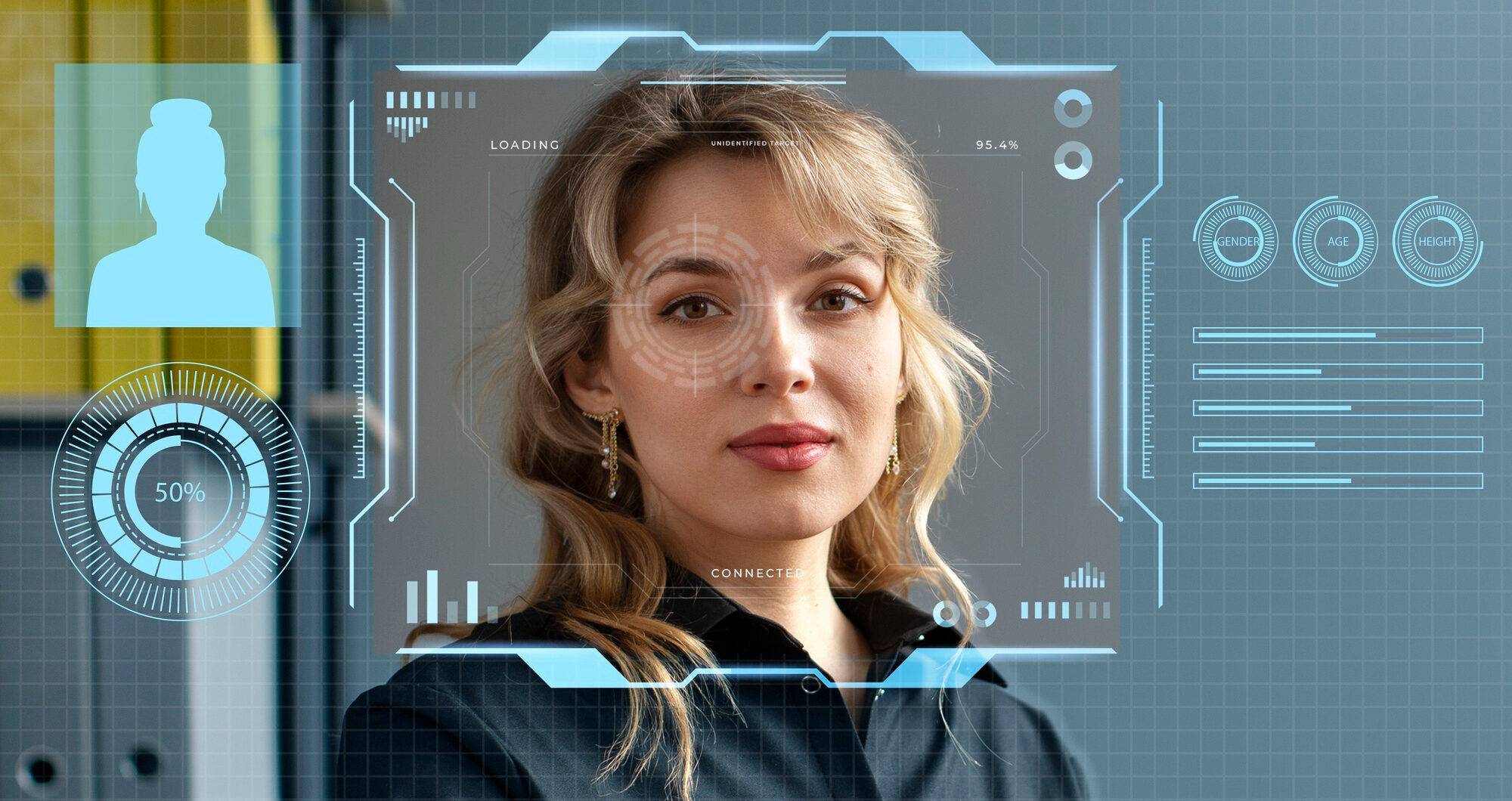

AI images have gotten scary good. A couple of years ago, you could spot an AI photo from across the room — seven fingers, melted jewellery, teeth like a row of Tic-Tacs. Today, the lines are blurred. Some AI photos look more polished than the photos we take on vacation.
If you’ve ever stared at a picture and thought, “There’s something off… but I can’t figure out what,” you’re not alone. We’re all learning this together, and the good news is that spotting AI is a skill — one that gets easier the more you practice.
So let’s break down the easiest ways to catch those sneaky AI images in 2025.
1. Start With the Hands (Still the Weak Spot)
Even with better models, hands remain the giveaway. Look for:
– Too many fingers or fingers fused together
– Hands that bend in ways your joints simply shouldn’t
– Rings that look melted, stretched, or impossible
If the hand looks like it was drawn by someone who’s never seen one in real life, there’s your clue.
2. Pay Attention to Eyes and Teeth
AI loves perfection… a little too much.
Human eyes reflect light differently, catch imperfections, and sometimes look slightly uneven. AI eyes can feel vacant, glossy, or “too symmetrical,” like a wax figure posed for a portrait.
Teeth are another tell. AI sometimes creates teeth as one big block instead of individual shapes. If the smile looks like one smooth white slab — probably AI.
3. The Background Tells Itself
Often, the subject looks great, but the background is chaos:
– Warped text or unreadable signs
– Blurry logos
– A street that goes nowhere
– Shadows that don’t match the light source
– People in the back with blurry faces, weird limbs, or missing feet
AI still struggles with depth and consistency. The image might feel beautiful at first glance, but it collapses under scrutiny.
4. Look for “Too Perfect” Skin and Symmetry
AI skin often looks flawless — like airbrushed magazine perfection:
– No pores
– No tiny hairs
– No wrinkles or natural texture
Humans aren’t perfect. We’re made of pores, freckles, laugh lines, and too much coffee. If the skin looks like porcelain, question it.
5. Trust Your Gut Feeling
Sometimes you can’t pinpoint it, but something feels off. A small detail nags at you. The vibe is just… strange.
That’s your brain picking up micro-errors.
And the best way to sharpen that instinct? Practice.
You can train your eye anytime by trying the AI image guessing game at AIorNot
You’ll start noticing patterns fast — lighting quirks, repeating textures, strange reflections you would’ve missed before.
Bonus Tip: Compare With Reality
Pull up a real reference image if you’re unsure. What does real fabric look like? How does light fall on skin? How messy is human reality compared to the spotless AI version?
The more real-world visuals you expose yourself to, the easier AI becomes to spot.
You can also check out articles, breakdowns, and helpful guides on the site AiOrNot.us, it is becoming a growing learning hub for AI awareness: AIorNot Articles