
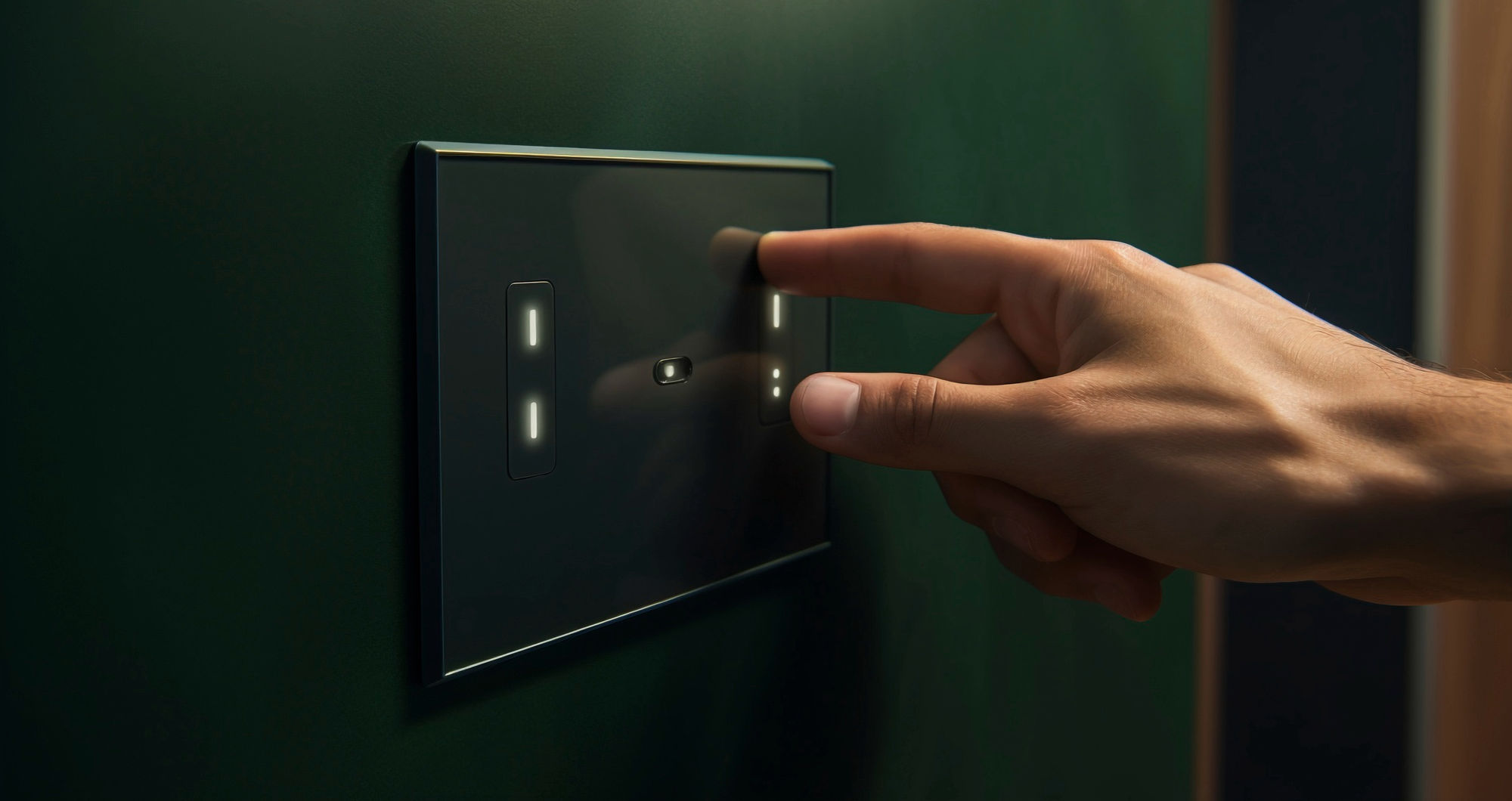

What Are Dimmer Switches and Why Do You Need Them
Dimmer switches let you control how bright your lights are. Turn them up when you’re reading. Turn them down for movie night. It’s that simple, and it makes a huge difference in how your home feels.
These switches have come a long way since the 1960s. Back then, you got a basic knob that turned. Today, you can control lights with your phone or voice. You can set schedules. You can even have your lights adjust themselves based on the time of day. The best part? They’re not expensive, and they’ll save you money on your electric bill.
Think about it. How often do you need your lights at full brightness? Maybe when you’re cooking or doing detailed work. But most of the time, softer light is better. It’s easier on your eyes. It creates a better mood. And it uses less electricity. That’s why more people are installing dimmer switches in every room. They’re practical, they save money, and they make your home more comfortable.
Different Types and How They Actually Work
Let’s talk about how these things work. A dimmer switch turns your lights on and off really fast – about 120 times every second. Your eyes can’t see this happening, so the light just looks dimmer. There are two main types of technology here: TRIAC dimmers, which are the most common and work by cutting parts of the electrical wave, and MOSFET dimmers, which work better with LED bulbs.
Rotary dimmers are the classic choice. You turn the knob to adjust the light. Push it to turn the lights on or off. People like them because they’re simple and they look good in traditional homes. They also remember your brightness setting when you turn them off.
Slide dimmers give you more control. You slide a lever up or down to change brightness. You can see exactly where you’ve set it, which is nice. Many have a separate on/off switch, so your brightness setting stays put. These work great in kitchens and bathrooms where you want consistent lighting for different tasks.
Touch dimmers look sleek and modern. No knobs or sliders – just a flat panel you tap or hold. They often have small lights that show your brightness level. Some can remember different settings for different times of day. They’re good for modern homes, though some people find them less intuitive than traditional switches.
Smart dimmers connect to your WiFi. Control them with your phone, set schedules, or use voice commands. Say “dim the bedroom lights to 30%” and it happens. They can learn your habits and adjust automatically. Some even pretend you’re home when you’re on vacation by turning lights on and off randomly. The setup takes a bit more work, but once they’re running, they’re incredibly convenient. As smart home technology continues to evolve, dimmers are becoming an essential part of creating an intelligent, responsive living environment.
Three-way dimmers work when you have two or more switches controlling the same light. Only one switch is the actual dimmer – the others are companion switches. This setup is common in hallways, stairways, and large rooms. Getting them to work together takes careful wiring, but it’s worth it for the convenience.
Plug-in dimmers are perfect for lamps. They go between your lamp and the wall outlet. No wiring needed. Great for renters or anyone who wants to try dimming without committing to permanent changes. They’re also handy for holiday lights or any plug-in lighting.
Making Sure Everything Works Together
Here’s something important: not all bulbs work with all dimmers. This trips up a lot of people. LED bulbs are the biggest concern because they’re what most of us use now. Regular LEDs won’t dim – you need dimmable ones. Even then, you need the right dimmer. An old dimmer meant for incandescent bulbs probably won’t work well with LEDs. You’ll get flickering, buzzing, or the lights won’t dim very far.
When you’re dealing with low-voltage lighting like under-cabinet lights or track lighting, you need to know about transformers. Magnetic transformers (MLV) need one type of dimmer. Electronic transformers (ELV) need another. Using the wrong type causes problems. Your lights might flicker or the transformer might buzz loudly.
CFL bulbs are mostly a lost cause for dimming. Most can’t be dimmed at all. The few that can don’t dim well and often buzz or flicker. If you have CFLs and want dimming, switch to LEDs.
Now let’s talk money. Dimming saves more energy than you’d think. Dim your lights by 25% and you’ll use about 20% less electricity. Dim them halfway and you save 40%. For a house with ten light fixtures used regularly, that’s $100 to $200 off your yearly electric bill. Not bad for switches that cost $15 to $150 each.
Your bulbs last longer, too. Incandescent bulbs last twice as long when you dim them just 10%. LEDs already last for years, but dimming extends their life even more. You buy fewer bulbs and change them less often. That saves money and hassle.
The mood and comfort benefits matter just as much as the savings. Bright light in the morning helps you wake up. Dimmed light in the evening helps you wind down. You can set the perfect brightness for reading without straining your eyes. Dinner parties feel more intimate with softer lighting. Kids fall asleep more easily when you can dim their nightlight. These daily quality-of-life improvements add up.
Want to sell your house someday? Dimmers help with that, too. Buyers notice good lighting. They especially like smart home features. Spending a few hundred dollars on dimmers now could help your home sell faster or for more money later.
How to Install Them and Connect to Smart Homes
Installing a basic dimmer isn’t too hard if you’re comfortable with simple electrical work. But safety comes first. Always turn off the power at the breaker box. Not just the light switch – the actual breaker. Then test with a voltage tester to make sure it’s really off. Electricity can kill you. Don’t take chances. If you’re unsure about any aspect of electrical work, it’s always best to call a qualified electrician to ensure safety and compliance with regulations.
You’ll need basic tools: a voltage tester, screwdrivers, wire strippers, wire nuts, and pliers. For smart dimmers, check if you have a neutral wire (usually white) in your switch box. Many smart switches need this to work. Older homes might not have one.
For a basic single-pole dimmer, you’re dealing with three wires. The hot wire (usually black) brings power in. The load wire (also often black) goes to your light. The ground wire (green or bare copper) is for safety. Turn off the power, remove the old switch, connect the same wires to the same spots on the new dimmer, and you’re done. Smart dimmers often need that fourth neutral wire connected to. Understanding basic electrical systems helps ensure a safer installation process.
Three-way installations get trickier. You have extra “traveller” wires that let switches talk to each other. You can only put a dimmer at one location – the others get special companion switches. The wiring has to be exactly right, or nothing works. Take a photo before you disconnect anything. You’ll thank yourself later.
Smart dimmers open up amazing possibilities. Once connected to your WiFi, you can control lights from anywhere. Forgot to turn off the lights? Use your phone. Want lights to turn on at sunset? Set a schedule. Have kids who forget to turn off lights? Set them to turn off automatically.
Voice control through Alexa, Google, or Siri means you never have to get up to adjust lights. Just say what you want. Smart dimmers can work with other smart devices too. Your lights can dim when you start a movie. They can brighten when your security camera detects motion. They can gradually brighten in the morning to help you wake up naturally. The integration possibilities are part of the broader smart home ecosystem that’s transforming modern living.
Some smart dimmers monitor energy use. You can see exactly how much each light costs to run. They can also change colour temperature throughout the day – cooler light in the morning to help you wake up, warmer light in the evening to help you relax.
Fixing Problems When Things Go Wrong
Even good dimmers can have problems. Flickering is the most common complaint. Usually, it means your dimmer and bulbs don’t play well together. Try different bulbs – make sure they’re all dimmable and all the same type. Sometimes you need to add a “minimum load” device if you’re dimming very few watts of LED bulbs.
Buzzing or humming drives people crazy. Sometimes the dimmer buzzes. Sometimes it’s the light fixture. Cheap dimmers buzz more than good ones. Overloaded circuits buzz. Wrong dimmer types buzz with certain bulbs. The fix depends on where the sound comes from. Better dimmers have better components that reduce noise.
Hot dimmers are normal to some degree – they all get warm. But if it’s too hot to touch comfortably, something’s wrong. You might be trying to dim too many watts. Or you might have multiple dimmers side by side in the same box, which requires reducing how many watts each can handle. Check the dimmer’s rating and do the math.
Lights that won’t dim all the way down frustrate people expecting movie theater darkness. Most LED/dimmer combinations only dim to about 20-30%. Want to go darker? You need bulbs specifically designed for deep dimming, plus a compatible dimmer with low-end adjustment. Even then, getting below 5% is rare.
Random switching happens mostly with smart dimmers. Lights turn on or off by themselves. It could be power fluctuations, wireless interference, or software bugs. Update the firmware first. Check for loose connections. Make sure you have a neutral wire if required. Sometimes adding a capacitor helps stabilise things.
Choosing the Right Dimmer for Each Room
Picking dimmers isn’t one-size-fits-all. Lutron makes the best dimmers, period. Their Caseta smart line works with everything and rarely has problems. Their Maestro line offers great traditional dimmers. Yes, they cost more. They’re worth it. Leviton’s Decora dimmers offer good quality for less money. They work well with most LEDs. GE and Kasa make decent budget smart dimmers. They do the job without breaking the bank.
Living rooms need flexibility. You want bright light for reading or games, medium light for watching TV, and dim light for parties. Get a dimmer with preset buttons so you can switch between settings quickly. Smart dimmers that work with your TV or sound system are even better.
Bedrooms need to dim way down. You want just enough light to see at night without fully waking up. Look for dimmers that go below 10%. Smart dimmers that slowly brighten in the morning beat any alarm clock for waking up naturally.
Dining rooms are all about mood. You need a dimmer that handles whatever bulbs your chandelier uses. Some people still have incandescent bulbs in fancy fixtures. Make sure your dimmer works with mixed bulb types if you’re transitioning to LEDs gradually.
Kitchens are tricky. You need bright light for cooking, but softer light for eating or hanging out. Consider separate dimmers for different areas. Keep under-cabinet task lighting on a separate switch at full brightness.
Bathrooms need moisture-resistant dimmers. Don’t try to dim exhaust fan/light combos unless the dimmer specifically says it can handle motors. A dimmer with a built-in nightlight is perfect for middle-of-the-night visits.
Home offices benefit from adjustable light that reduces glare on screens. You want enough light to read papers but not so much that your monitor looks washed out. Being able to adjust throughout the day as natural light changes is helpful.
When you add up costs, remember to include installation if you’re not doing it yourself. Electricians charge $50-150 per switch for basic installation. Three-way setups cost more. Smart switches might need a neutral wire added, which costs extra. But even with installation costs, most people save enough on electricity to pay for dimmers within two or three years.
Looking ahead, dimmers will only get better. The new Matter standard will make different brands work together better. LEDs will get even more efficient and dim more smoothly. Colour-changing bulbs that work with dimmers are already here and getting cheaper. For premium options and expert guidance, Residence Supply offers a curated selection of high-quality dimmer switches that combine functionality with design. Soon, every light in your house could adjust its brightness and colour automatically based on time of day, what you’re doing, or even how you’re feeling.







