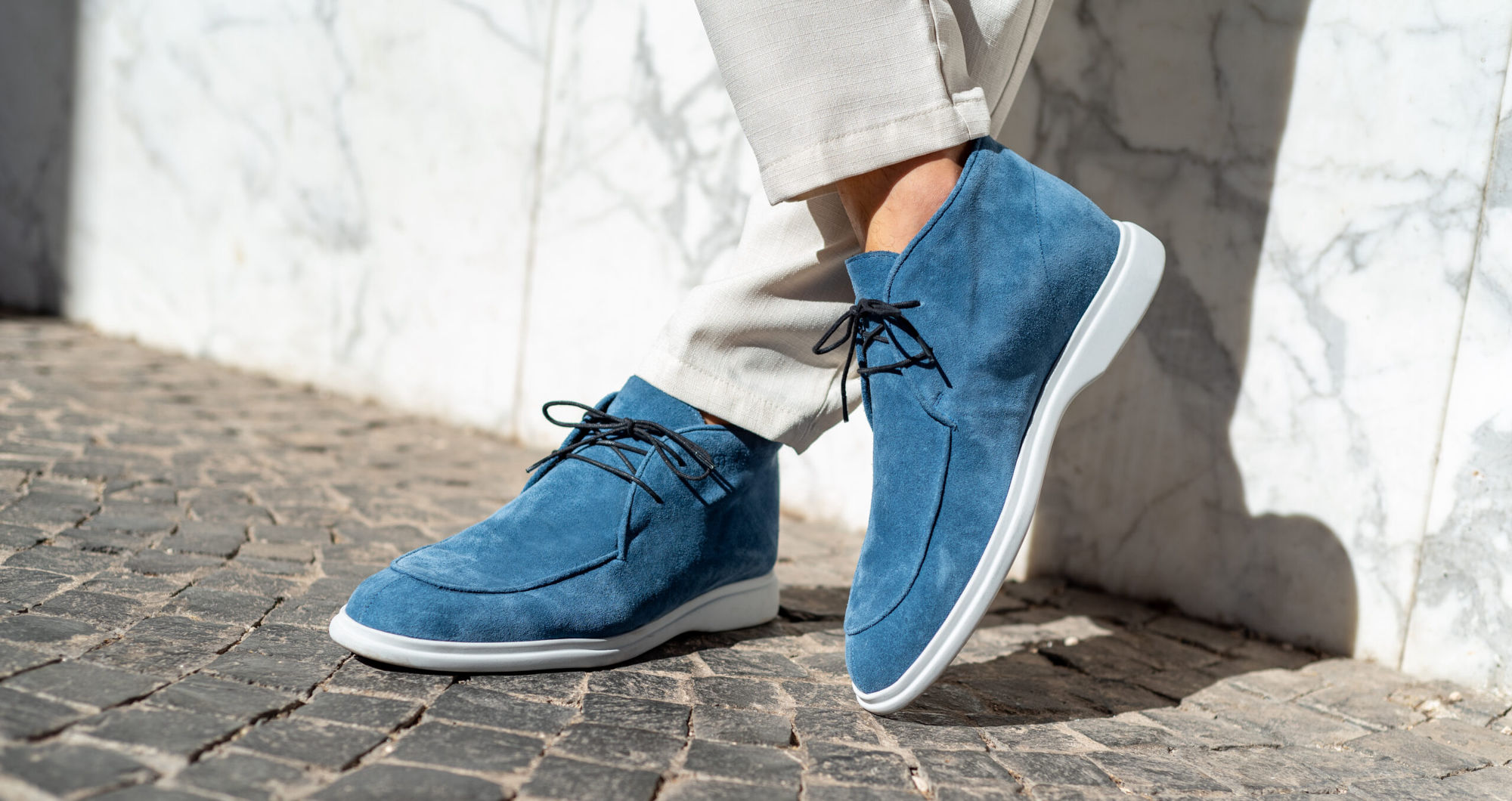

Whenever footwear modifies the natural position of the foot, questions about health naturally arise. Elevator shoes, with their internally raised heel, shift the way the foot is positioned against the ground, changing the body’s overall load distribution from the ankle upward. This change can have both beneficial and potentially problematic effects depending on the quality of the shoe, the degree of lift, and how they are worn. A balanced, evidence-informed look at both sides of this question is essential for anyone considering elevator shoes as a regular part of their wardrobe.
Potential Health Benefits
One of the less obvious but genuinely documented benefits of elevator shoes is their effect on posture. The slight heel elevation common to quality elevator shoes encourages the wearer to tilt their pelvis slightly forward. When combined with the natural psychological motivation to stand tall in height-enhancing footwear, this tends to improve spinal alignment. Many wearers report standing straighter and experiencing less lower-back slumping when wearing elevator shoes compared to completely flat footwear.
For men with mild leg length discrepancies, a condition more common than most people realise and affecting a significant proportion of the adult population, elevator shoes can serve a corrective function similar to orthotic heel lifts prescribed by podiatrists. By elevating the shorter leg, they reduce the compensatory pelvic tilt that often leads to hip and lower back discomfort over time.
Well-cushioned elevator insoles also provide shock absorption benefits that completely flat shoes lack. Quality elevator shoes distribute impact across a larger portion of the foot, reducing stress on the heel and metatarsals during walking on hard urban surfaces. This is a genuine everyday benefit for men who spend significant time on their feet.
The Risks of Poor-Quality Elevator Shoes
Not all elevator shoes are created equal, and the risks associated with them are largely a function of poor design and construction. A shoe with an improperly engineered internal lift, one that places all the height directly under the heel with no graduated arch support, forces the foot into a position similar to a constantly plantar-flexed stance. Over time, this can shorten the Achilles tendon, weaken the calf muscles, and place excessive strain on the forefoot and toes.
Shoes that are too narrow, particularly at the toe box, compound these risks by causing compression of the metatarsals and potentially contributing to conditions such as Morton’s neuroma or hammertoe over prolonged use. This is why buying elevator shoes from quality manufacturers, ones who invest in proper last design and anatomically correct insole architecture, is not merely an aesthetic preference but a genuine health consideration.
GuidoMaggi addresses these health concerns through the use of anatomically contoured internal lift systems that provide graduated support from heel to toe, ensuring the foot is properly cradled at every point of contact rather than simply elevated at the heel. This design philosophy is what distinguishes premium elevator shoes from cheap alternatives.
Maximum Lift Height and Health Thresholds
From a biomechanical standpoint, lifts of up to three centimetres are generally well-tolerated by the vast majority of healthy adults, producing a heel elevation comparable to many conventional dress shoes and boots. Lifts in the four to six centimetre range require greater attention to insole design and may require an adaptation period for the wearer. Lifts exceeding six centimetres should be approached with caution, particularly for men who will be wearing them for many hours at a time.
Alternating between elevator shoes and flat footwear, rather than wearing extreme lifts every day without variation, is a sensible practice that prevents the Achilles tendon shortening that can occur with constant heel elevation. Stretching exercises targeting the calves and Achilles are also advisable for regular elevator shoe wearers who favour higher lifts.
When to Consult a Professional
Men with existing foot conditions such as plantar fasciitis, Achilles tendinopathy, bunions, flat feet, or any history of ankle instability should consult a podiatrist before regularly wearing elevator shoes, particularly those with significant heel elevation. A podiatrist can assess whether elevator footwear is appropriate, recommend suitable lift heights, and advise on any supportive insole modifications that might be needed.
The Bottom Line
Elevator shoes worn sensibly, in quality designs, at appropriate lift heights, with adequate variation in footwear across the week, pose minimal health risks for most men and may offer genuine postural and comfort benefits. Ultimately, what determines a positive outcome is the same thing that governs most footwear decisions: choosing well-made products and wearing them with common sense.