
For many Londoners, the daily commute on the Tube offers a quiet moment of reflection. Caught in the reflection of the carriage window, it is not uncommon for individuals to notice the gradual, undeniable signs of a receding hairline or thinning crown. Hair loss is a remarkably common condition, affecting a significant majority of men—and a substantial number of women—by the time they reach their fifties.
Historically, the solutions available in the UK were limited to sticky topical treatments, unconvincing hairpieces, or simply accepting the inevitable. However, advancements in modern cosmetic medicine have completely revolutionised the approach to hair loss. Today, achieving a full, natural-looking head of hair is not only possible; it has become a highly refined, accessible science.
If you are considering taking action against hair loss, here is everything you need to know about the modern restoration process and why thousands of Brits are making the life-changing decision to undergo the procedure.
The Science Behind the Solution
To understand how modern restoration works, you first need to understand why hair falls out in the first place. The most common culprit is androgenetic alopecia (male or female pattern baldness). This condition occurs when hair follicles in specific areas of the scalp become sensitive to a hormone called DHT, which causes them to shrink and eventually stop producing hair.
However, the hair at the back and sides of the head is genetically programmed to be highly resistant to DHT. This biological quirk is the foundation of a modern hair transplant. By meticulously extracting these resistant, healthy follicles and relocating them to the thinning areas, surgeons can restore density.
The Evolution of the Procedure
The days of the invasive, “pluggy” looking procedures of the 1980s and 90s are long gone. Today, the medical standard relies on minimally invasive techniques that leave virtually no visible scarring and produce entirely natural results.
The two most prominent techniques are:
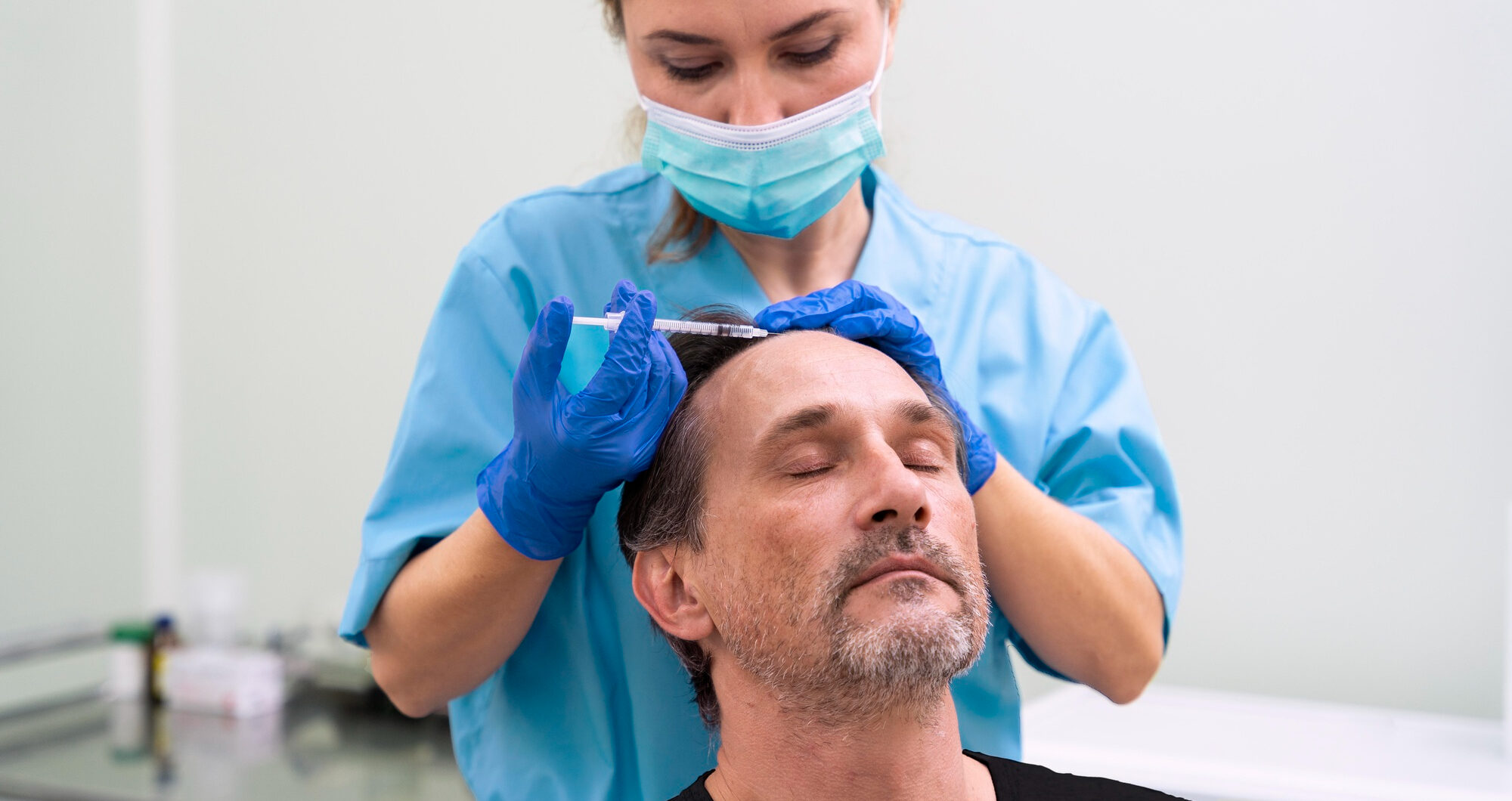
- FUE (Follicular Unit Extraction): The surgeon extracts individual hair follicles one by one using a micro-punch tool, then implants them into tiny incisions in the recipient area.
- DHI (Direct Hair Implantation): A variation of FUE where extraction and implantation happen almost simultaneously using a specialised pen-like tool, allowing for high-density placement and precise control over the angle of hair growth.
When performed by skilled professionals, a hair transplantation seamlessly blends the new grafts with your existing hair, mimicking your natural growth pattern perfectly, even.
The Rise of Medical Tourism for British Patients
While there are clinics located on Harley Street and across the UK, an increasing number of British patients are choosing to travel abroad for their procedures. The driving factors are a combination of advanced expertise, comprehensive holistic care, and highly competitive pricing.
Countries across Europe and the Mediterranean have heavily invested in their medical tourism infrastructure, creating world-class facilities that cater specifically to international patients. Modern clinics no longer view the procedure as just a cosmetic fix; they treat it as a comprehensive medical journey. By integrating holistic treatments—such as functional medicine to balance hormones and ozone therapy to accelerate healing—these overseas facilities aim to support recovery and overall patient wellbeing during the treatment process.”
When selecting a clinic, it is vital to look for institutions that prioritise patient care and have a proven track record of aesthetic excellence. Facilities like Gold City represent this modern tier of international healthcare, offering state-of-the-art treatments that bridge the gap between underlying biological wellness and advanced surgical restoration.
The Road to Recovery: What to Expect
One of the most appealing aspects of the modern procedure is the relatively swift recovery time. If you decide to travel for the surgery, the entire process usually takes only a few days.
- The First 48 Hours: Your scalp will be sensitive, and you will need to sleep with your head elevated to minimise swelling. The clinic will provide specific washing instructions to protect the fragile new grafts.
- The First Two Weeks: The tiny scabs around the implanted follicles will naturally flake off. You can usually return to office work and light social activities within a week to ten days.
- The Shedding Phase: Around weeks three to four, the newly transplanted hairs will fall out. This is a completely normal part of the process, known as “shock loss.” The follicles remain safely embedded beneath the skin.
- The Regrowth: By months three to four, fine new hairs will begin to emerge. By month nine, you will see a dramatic difference, with the final, fully matured results visible roughly twelve to fifteen months post-surgery.
Reclaiming Your Confidence
Hair loss can take a silent but heavy toll on a person’s self-esteem. It can affect how you present yourself in the boardroom, how you socialise in the pub, and how you feel when looking in the mirror.
Taking the step to restore your hair is an investment in your personal confidence and well-being. By thoroughly researching your options, understanding the science, and choosing a reputable, holistic clinic, you can successfully face the world with renewed assurance.
Disclaimer:
This article is for informational purposes only and does not constitute medical advice. Always consult a qualified healthcare professional before making decisions about hair restoration treatments or undergoing any medical procedure. Individual results may vary.